What Happens When 300 Young People in Kigali Talk Honestly About Sexual Health and Consent?
The topics are too often called “taboo” — but the youth are facing them head on.
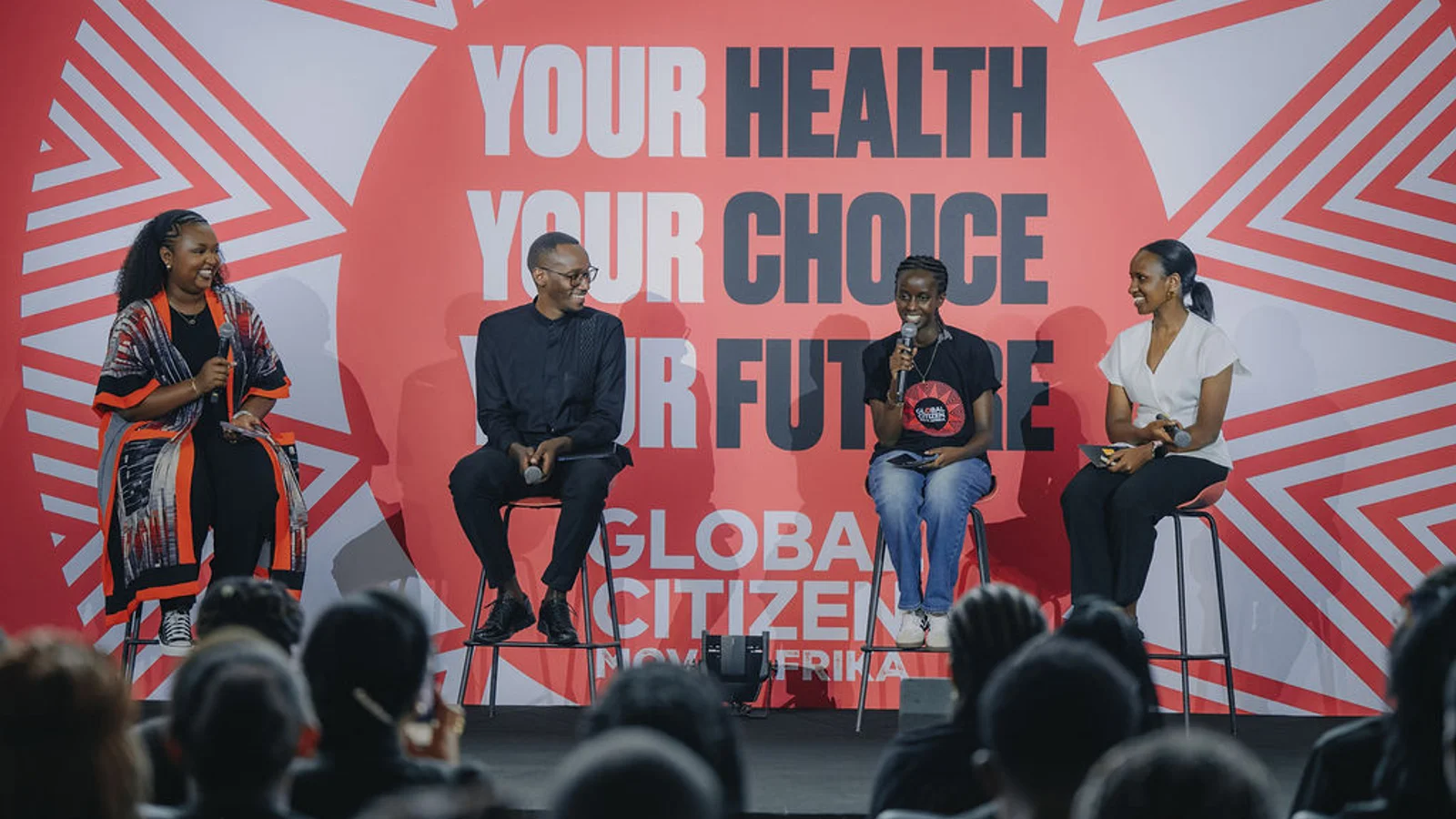

More than 300 young people filled the BK Arena Concourse in Kigali on March 7 for a youth forum called “Your Health. Your Choice. Your Future.”
Throughout the day, they spoke and learned openly about relationships, consent, and sexual and reproductive health — connecting directly with health professionals and inspiring youth leaders. Organized by Global Citizen together with the Rwanda Development Board (RDB), the Ministry of Health Rwanda, the Ministry of Youth and Arts Rwanda, the Imbuto Foundation, and HDI Rwanda, the initiative focused on providing young people with reliable information and supportive pathways to care.
Mireille Batamuriza, Permanent Secretary of the Ministry of Gender and Family Promotion, joined the discussion alongside students, health professionals, and youth leaders.
During the discussion, Batamuriza highlighted some of the challenges young people in Rwanda continue to face.
“Today, the most pressing challenges for young people in Rwanda... are teenage pregnancy — which has increased in the last five years from 5% to 8% — alcohol and drug abuse, and mental health. These issues are often linked to a lack of safe spaces where people can access reliable information,” Batamuriza emphasized.
The forum aimed to respond to these challenges by creating a space for open dialogue — particularly at a time when young people are living in a world they have not shaped. Conversations like these are crucial during adolescence, a period of rapid physical, emotional, and social development.
Around the world, an estimated 1.2 billion adolescents — around 16% of the global population — are navigating the challenges and opportunities of this stage of life.
“Young people deserve access to accurate information, safe spaces to ask questions, and trusted support systems,” said Iphie Chuks-Adizue, Managing Director for Africa, Global Citizen. “By creating platforms like our youth forum, we are empowering young people with the knowledge and confidence they need to make informed decisions about their health, relationships, and future.”
Why These Conversations Matter
Young people often face challenges when looking for reliable information about sexual and reproductive health. Misinformation, fear of judgment, and limited access to confidential services can make it hard for adolescents to find trustworthy guidance.
In Rwanda, young people continue to navigate a range of health and social challenges. Recent survey data show that about 8% of girls aged 15–19 have started childbearing, either having given birth or being pregnant with their first child.
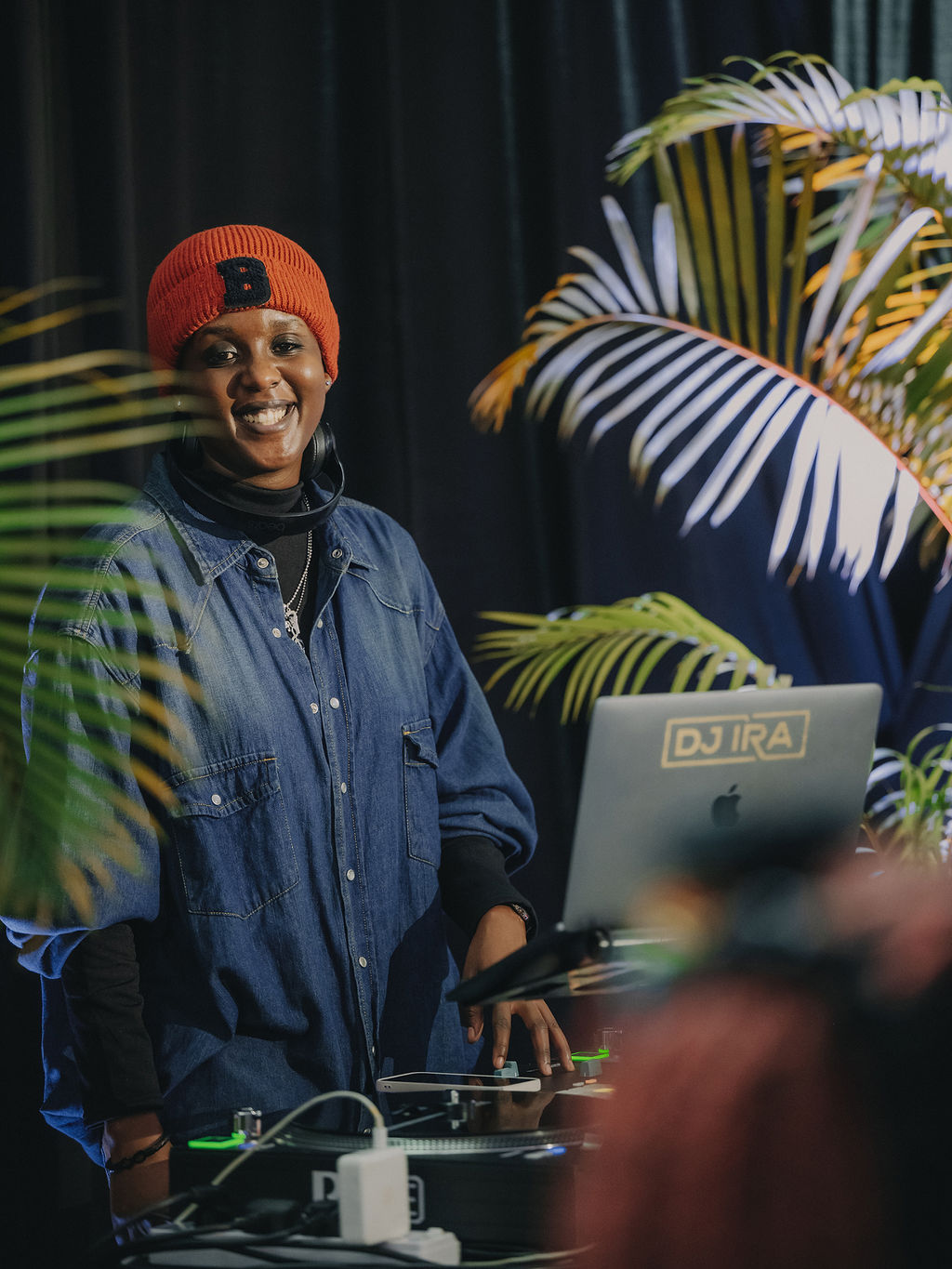
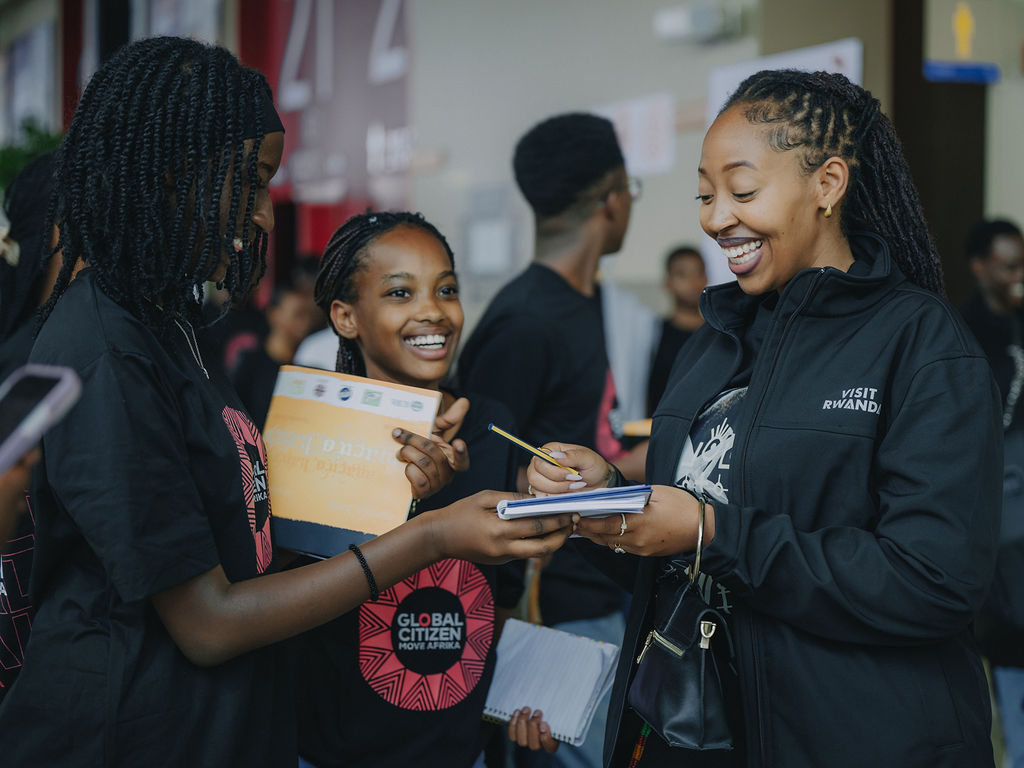
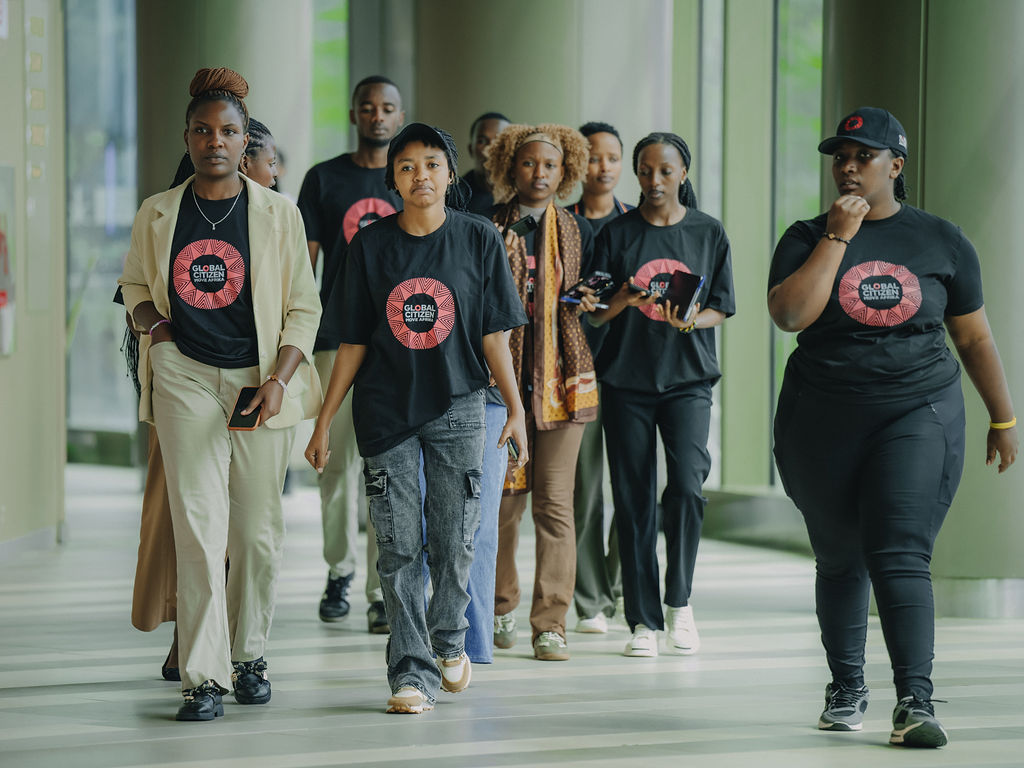
Participants arrive at the youth forum organized by Global Citizen and partners in Kigali. Images: Imagery Flow Creative Studios
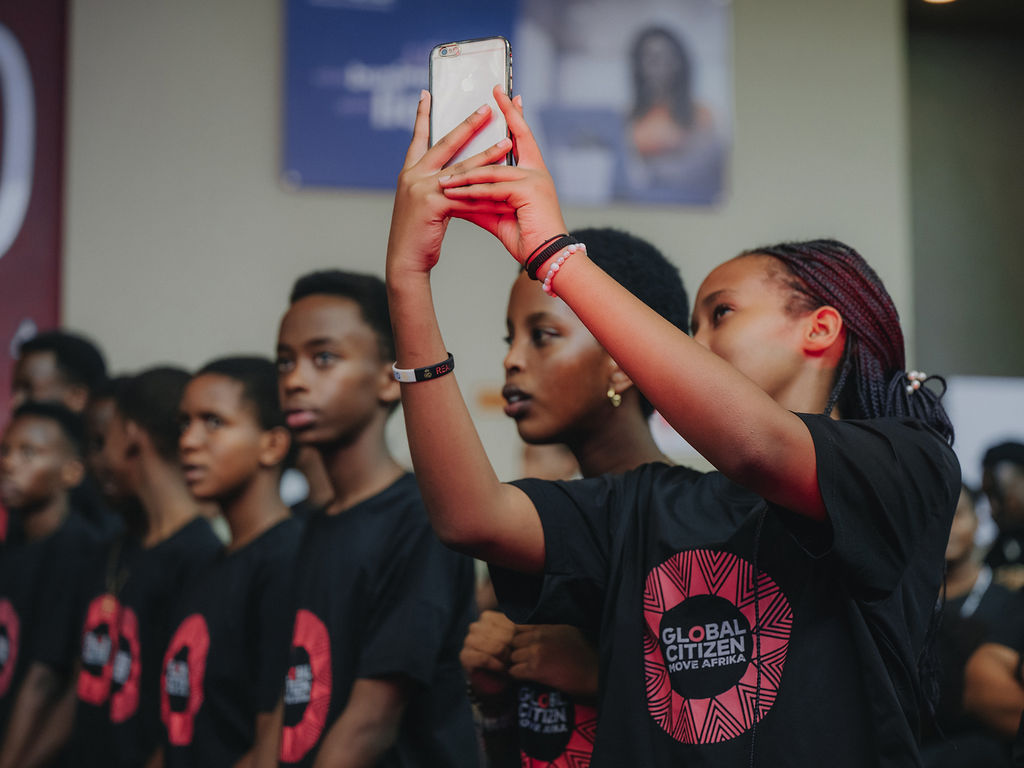
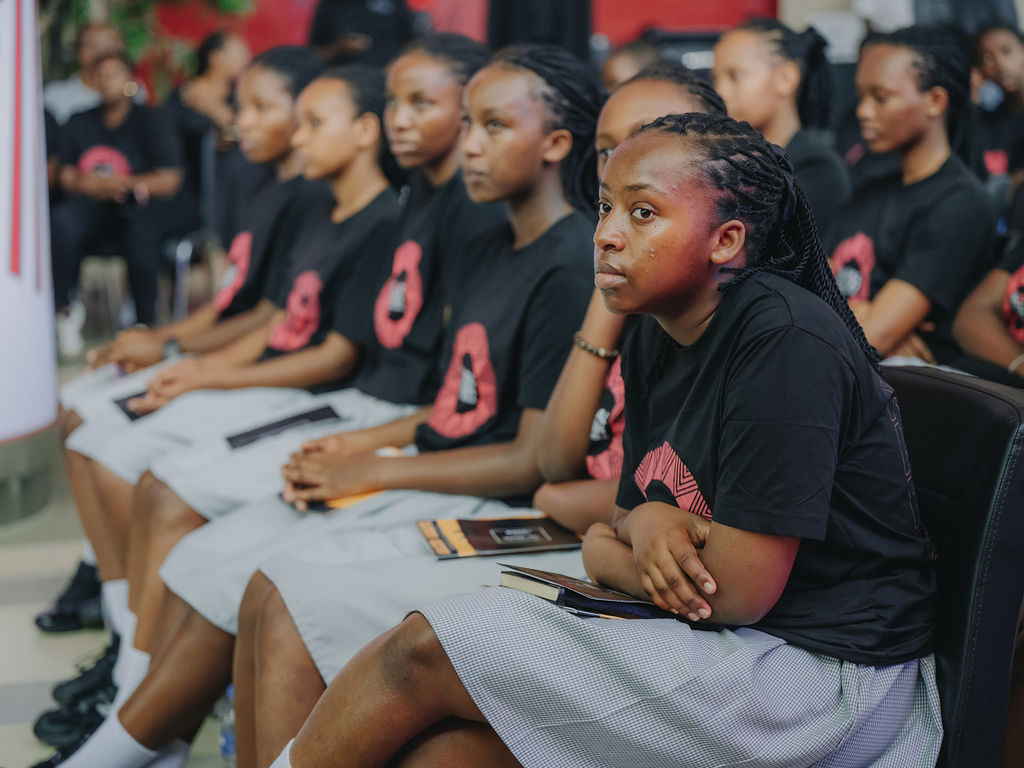
Against this backdrop, the forum blended health education with youth culture. Music set the tone, with DJ Ira and Kivumbi King, a Rwandan hip-hop artist and songwriter, energizing the crowd. Radio personality, MC Zuba Mutesi hosted the event, navigating the program and motivating students to engage in the discussions.
The event took place in the lead-up to Move Afrika: Kigali on March 17, part of Global Citizen’s initiative to expand opportunities for young people through music, culture, and civic engagement across the continent. By bringing together youth, artists, and partners, the initiative highlights how cultural platforms can foster dialogue and youth participation.
It also highlighted the connection between youth well-being and participation in the creative economy. When young people have access to reliable health information and supportive services, they are more capable of continuing their education, building skills, and pursuing opportunities in music, media, and other cultural industries.
Understanding Consent and Respect
A key part of the program was a moderated panel discussion on respect and consent in relationships, led by Hallelujah Mahoro of HDI Rwanda, a youth-focused organization working on health and development initiatives. The panel included Dr. Athanase Rukundo, Director General of Clinical and Public Health Services Governance at Rwanda’s Ministry of Health; Dr. Aline Iradukunda, co-founder of JoCare; and Ineze Bernice, a youth representative from HDI Rwanda.
Beyond understanding consent, the conversation also explored how young people can recognize pressure in relationships.
The conversation also explored how young people can recognize emotional pressure in relationships and communicate their personal boundaries. Adolescents may experience different forms of pressure from peers or partners when making personal decisions. Access to reliable information and supportive environments can help young people better understand their rights, boundaries, and well-being.
The session included perspectives from Dr. Aline Iradukunda, co-founder of JoCare, a Rwanda-based digital health platform that connects young people with health information and services. Expanding access to youth-friendly information is widely seen as an important part of supporting adolescent health.
Research shows that comprehensive sexuality education programs can help adolescents build skills related to communication, decision-making, and understanding respectful relationships. The discussion also explored what positive, respectful relationships look like.
What Healthy Relationships Look Like
From classrooms and sports fields to group chats and social media, relationships shape how many young people experience adolescence. The session explored what respectful relationships can look like in these everyday spaces — and why communication, trust, and personal boundaries matter as young people begin to navigate friendships and romantic connections.
During these formative years, supportive relationships and positive social environments can help young people develop confidence, emotional awareness, and decision-making skills that influence well-being into adulthood.
Learning how to communicate boundaries and recognize respectful behavior is an important part of growing up. The discussion went on to highlight the roles that families, educators, and communities play in supporting young people in building healthy relationships.
The discussion included insights from Ineza Bernice of HDI Rwanda. The conversation highlighted how understanding respect, communication, and personal boundaries can help young people navigate relationships during this key stage of life. These themes continued after the panel, as the floor opened for students to ask the panelists questions. They went on to ask about relationships, peer pressure, and accessing health services.
Panelists encouraged students to seek information from trusted sources and to access youth-friendly health services whenever they need support.
Encouraging Informed Choices
For many students, the forum was an opportunity to seek clarity about relationships, health, and personal boundaries in an open, respectful environment.
Access to accurate health information and supportive services equips adolescents with the knowledge and skills they need to make informed decisions about their health and well-being.
By bringing together young people, health professionals, partner organizations, and government representatives, the event showed how dialogue and collaboration can support the youth as they grow and make decisions about their futures.
More information about Move Afrika: Kigali, including ticket availability, click here.