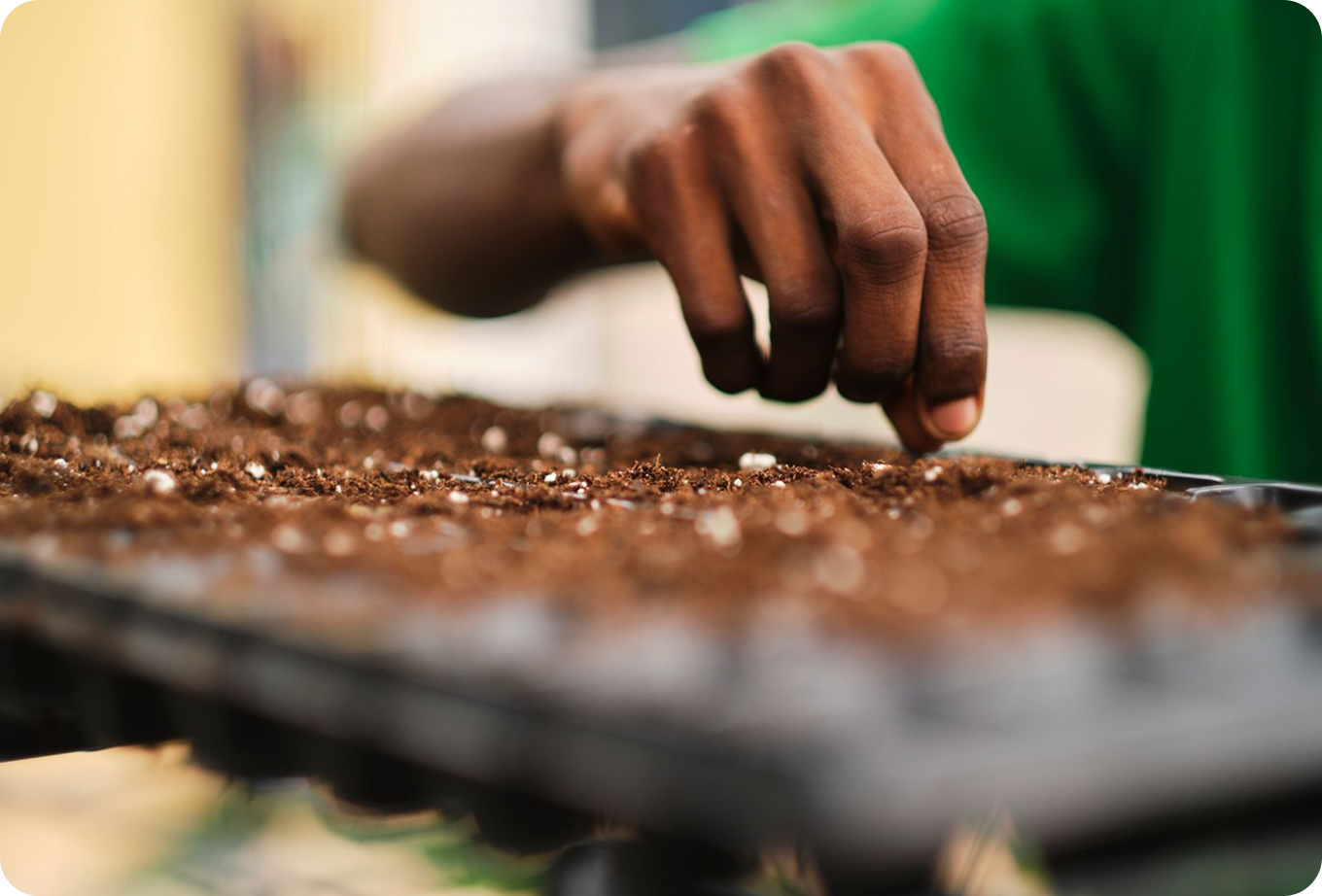
Long before a seed reaches the soil, a whole system has been working in the background to get it to the point of planting.
Researchers study what crops need to survive. Plant breeders develop new varieties. Technicians test whether seeds are healthy. Regulators set quality standards. Seed companies multiply, package, and market the seeds. Sellers and distributors then work out how to get the right seed to each farmer at the right time for the season.
These people and processes form what is called a seed system.
Across Africa, seed systems can be formal, operating through research institutes, certified seed companies or regulated markets. They can also be informal, with farmers saving, sharing, exchanging or interselling seeds from their communities. Many effective systems combine the two.
Why should I do it?
WHY DOES IT MATTER?
Who else in the food system would I work with?
MEET SALIA ABDALLAH
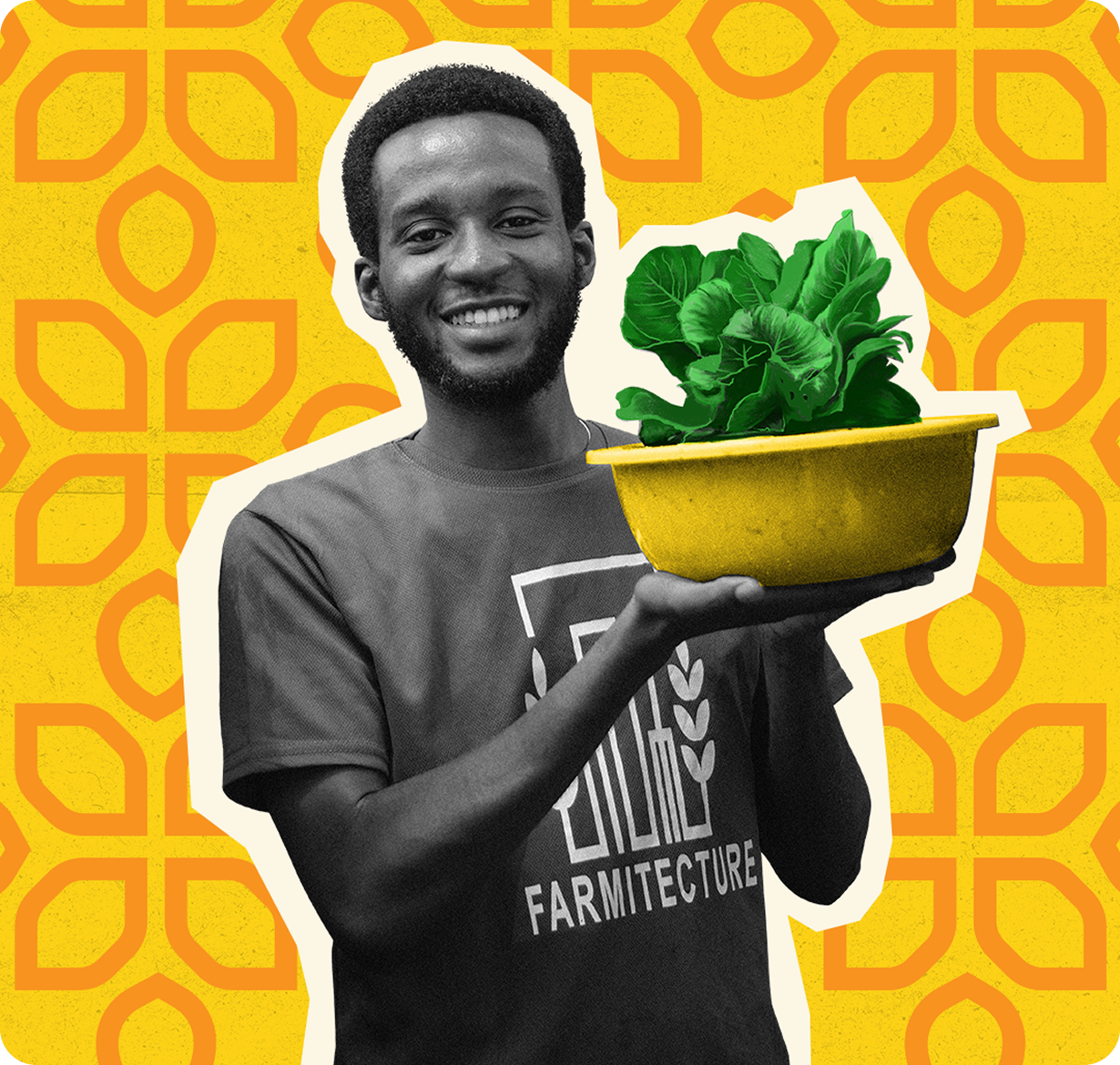
Farmitecture is an urban farming agribusiness based in Ghana that provides customers with vertical growing solutions. Through his business, founder and CEO, Salia Abdallah develops vertical farming systems that allow those who use them to grow fresh produce in confined spaces. They serve schools, restaurants, community centres, and even households, proving that a lack of space or land does not need to mean a lack of growth. As a young agripreneur himself who leads a team of young agriculture enthusiasts, Abdallah is committed to encouraging more young people to work in agriculture and food systems. For more on Farmitecture, watch the video below.
MEET OMARY MUSSA
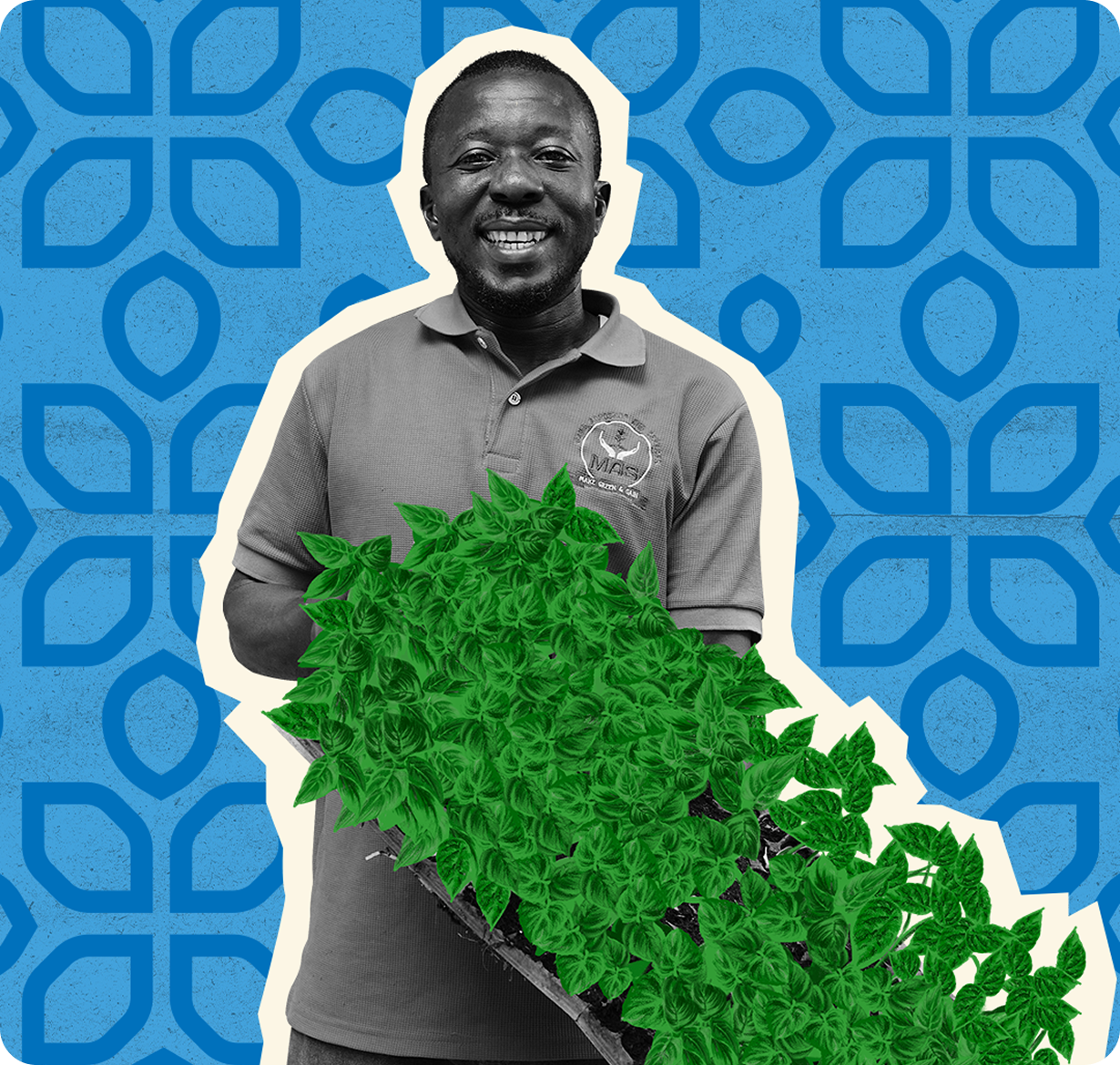
Not only is Omary Musa a YEFFA beneficiary himself, but thanks to the training he received through the programme, he’s a proud agripreneur. Musa upgraded from producing seedlings for himself on his own farm, to running a seedling nursery and distributing his products through his own agrovet venture,: Mama AgroShop & Services in Tanzania. Musa has been able to empower women and young people through employment opportunities in his business, and with his knowledge, he also provides technical advice to around 100 farmers across his region. “The [YEFFA] training helped me realize that Agriculture can be innovative,” says Omary Musa. “I decided to use this knowledge to inspire fellow youth and youth groups.”
What is YEFFA, and how can it get me started?
YEFFA stands for Youth Entrepreneurship for the Future of Food and Agriculture. The programme aims to reach 10 million young people and support at least 1.5 million of them to access agriculture work — that means you, too, if you’re interested! It does this by addressing more than skills alone. Namely, YEFFA brings together training, enterprise support, market connections, access to finance, policy participation, and climate-smart agriculture.
For someone interested in seed systems, that could mean building technical knowledge in seed production or crop health, learning how to run an agro-input enterprise, connecting with experienced breeders and agribusiness owners, or getting support to take a seed-related idea into the market.
You do not need to be a plant scientist with a fully equipped laboratory. You could begin by producing seed locally, educating yourself, and helping farmers identify genuine products, using technology to connect farmers with suppliers or even solving a distribution problem in your region.