Climate change does not always arrive as a dramatic headline. Sometimes, it looks like rain coming weeks too late, a river shrinking before planting season, a new pest spreading through a field, or a sudden storm destroying a crop just before it can reach market.
Across Africa — where agriculture is the continent’s biggest economic driver — the climate story is already an agricultural story as climate change forms agriculture’s biggest threat.
Climate adaptation is about protecting our food systems from the existing and worsening impacts of the climate crisis. Sustainable agriculture is about making decisions and implementing (or creating) systems with the mandate of protecting our natural resources every step of the way — and, in fact, finding innovative ways to best use our natural resources without exploiting them.
You might work in regenerative farming, agroforestry, renewable energy, water management, climate data, agricultural engineering or the circular economy. This sector is about creating the tools, services, and systems that make climate resilience possible.
Why should I do it?
WHY DOES IT MATTER?
Who else in the food system would I work with?
MEET Mathias Yabe
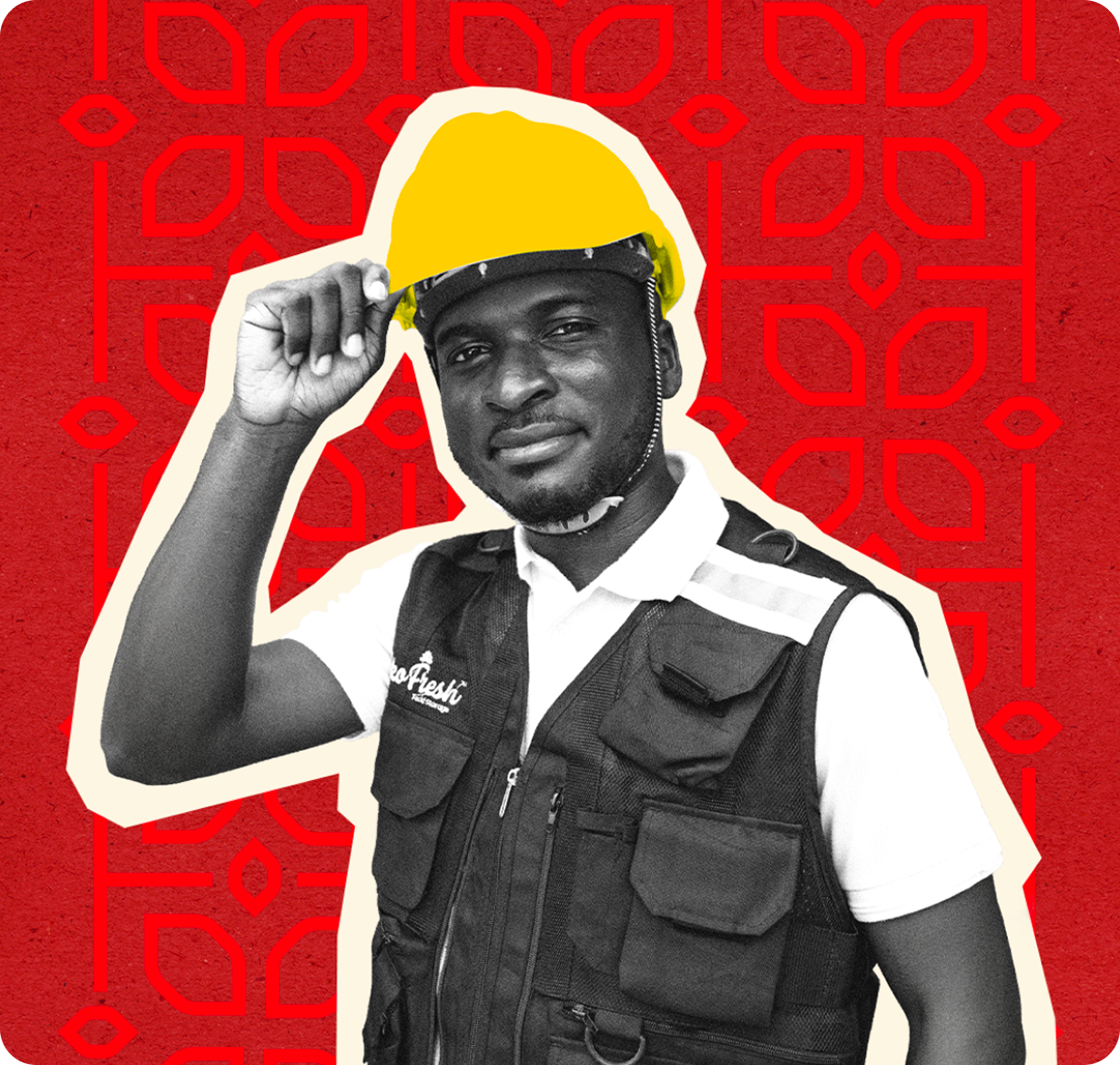
Mathias Yabe is the Ghanaian social entrepreneur behind Akofresh, a sustainable food systems organisation helping farmers keep their produce fresher for longer. With his team of dedicated, young employees he manages a cold-chain storage solution (including mobile refrigeration) across Kumasi. Sustainability runs across all operations as the cold storage is solar-powered, the post-harvest food waste is reduced significantly, and farmers can access the storage through a pay-to-use system that activates as and when they need it. For more on AkoFresh, watch the video below.
MEET Tawonga Nyirenda
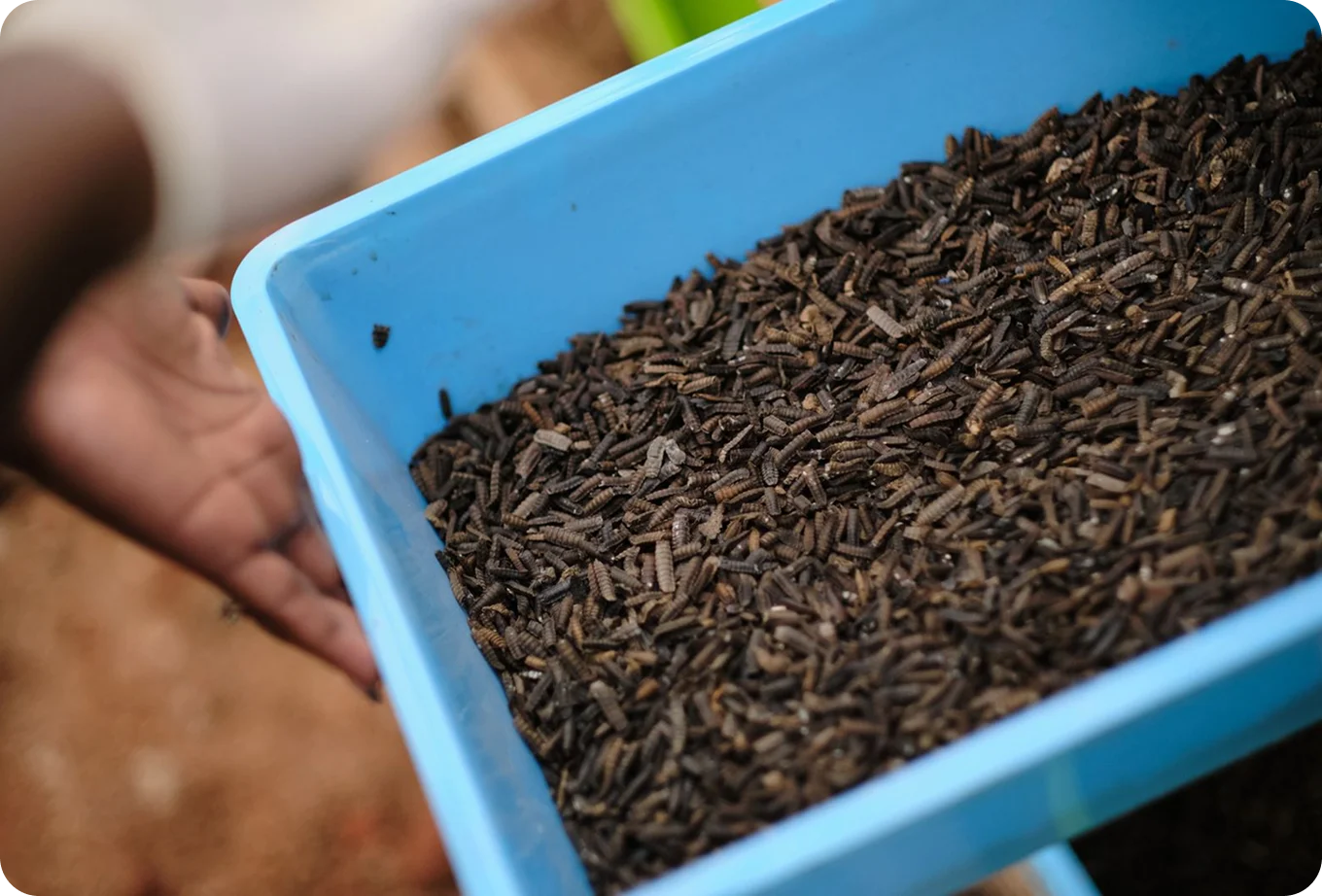
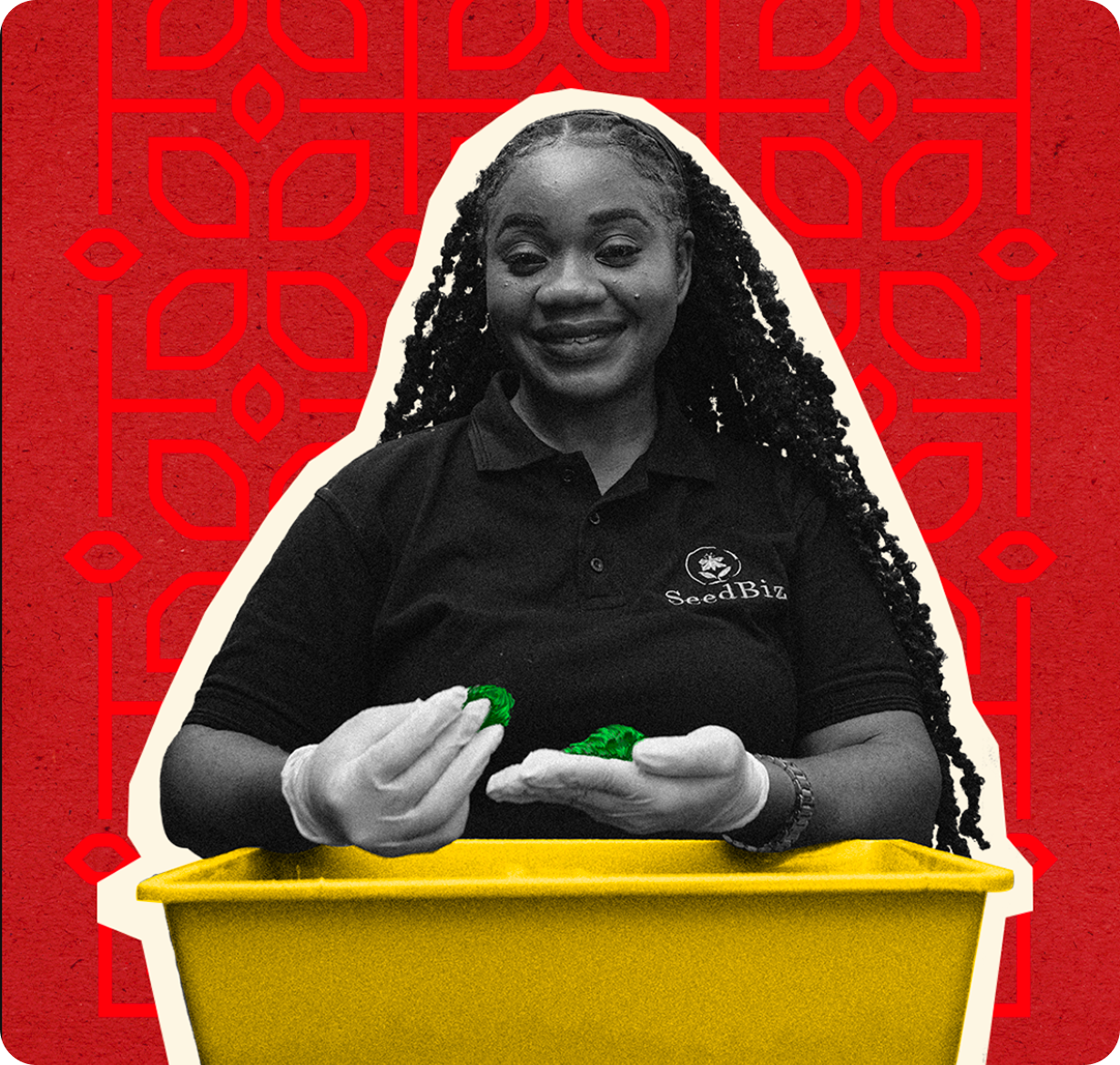
Malawi’s Tawonga Nyirenda is the Founder of SeedBiz, a sustainable agribusiness that transforms organic waste into affordable fertilizer and livestock feed through the use of black soldier fly farming. SeedBiz has turned a waste management system into a sustainable solution that provides farmers with nutritious feed and fertilizer, while keeping communities clean, and providing employment opportunities for young people.
What is YEFFA, and how can it get me started?
YEFFA stands for Youth Entrepreneurship for the Future of Food and Agriculture. The programme aims to reach 10 million young people and support at least 1.5 million of them to access agricultural work — that means you, too, if you’re interested! It does this by addressing more than skills alone. Namely, YEFFA brings together training, enterprise support, market connections, access to finance, policy participation, and climate-smart agriculture.
Climate-smart agriculture is one of the programme’s areas of support, alongside training, affordable finance, policy advocacy and market linkages. YEFFA could help you strengthen your technical or business skills, connect with agricultural networks, understand a value chain or develop an enterprise around a climate challenge.