Young people included in decision making spaces — great. Grassroots stories being amplified — amazing. Celebrating resilience — yes please!
But it all means nothing if conversations do not become actions.
Social entrepreneur Anoushka Sinha has been a human rights activist for a long time. In fact, she started when she was 10 and for the past decade has been working to expand access to opportunities for young girls all over the world.
She’s a human rights activist whose focus has been towards helping reduce inequality through access. In short, she advocates for broader access to opportunities for children worldwide.
With several accolades to her name including being a Forbes 30 Under 30 (India) honoree and getting the Diana Award from the UK Royal Family, she knows exactly what she’s talking about when it comes to advocacy.
Words matter, she believes, but actions will always speak louder.
The Global Citizen Prize winner wants to hit the ground running working with the organization.
As part of the prize, she gets a year to advance her initiative with the support of Global Citizen.
“A year from now, I do not want this partnership to exist only as headlines or social media moments. I want it to create a tangible impact. I want more girls to access education and leadership opportunities because conversations became action. I want grassroots stories — especially from the Global South — to be amplified globally in ways that feel authentic rather than performative. I want young people to be included in decision-making spaces not as decoration, but as contributors whose lived experiences hold value,” she says.
Sinha wants to push conversations beyond inspiration.
“We do not need more spaces that simply celebrate resilience while ignoring the systems forcing people to be resilient in the first place. I hope the work we do together can challenge people to think more critically about inequality, education, gender, and access.”
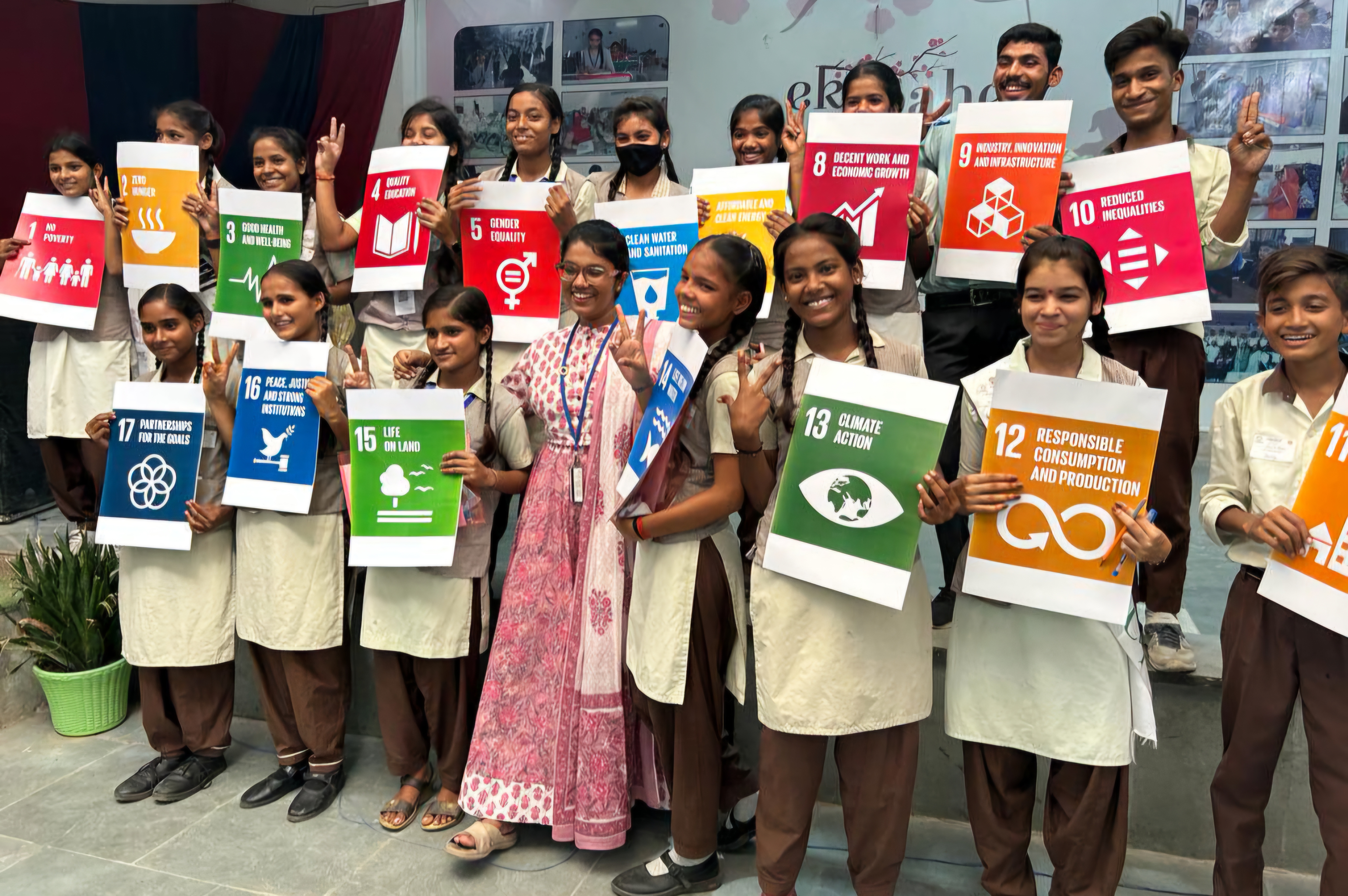
Sinha works with young people on initiatives related to education, leadership, digital literacy, and the Sustainable Development Goals. Image: Supplied
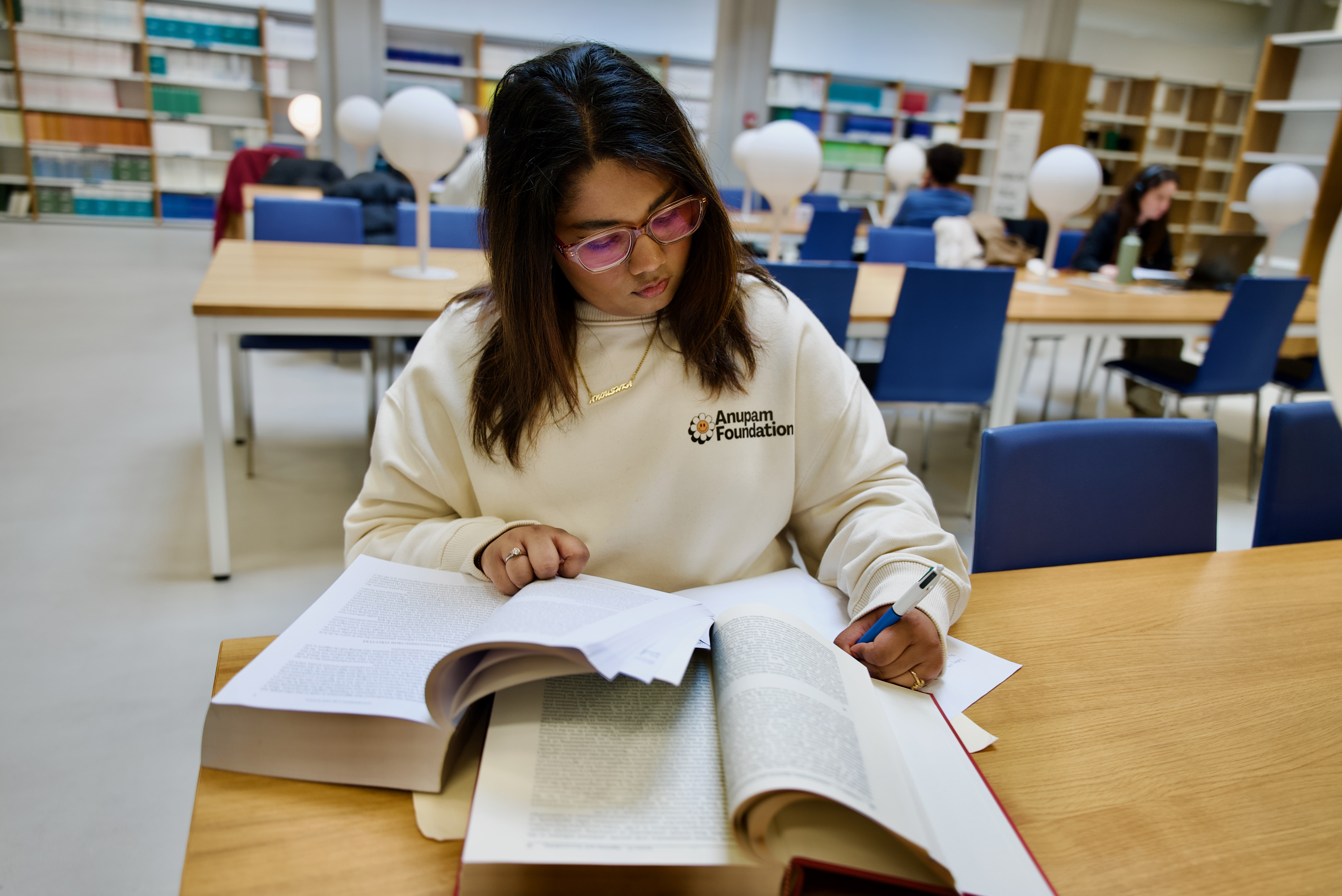
At 23, Anoushka Sinha has worked with organizations including UNICEF, UNESCO, the World Bank, and UN Women on issues affecting young people. Image: Riccardo Alfano for Global Citizen
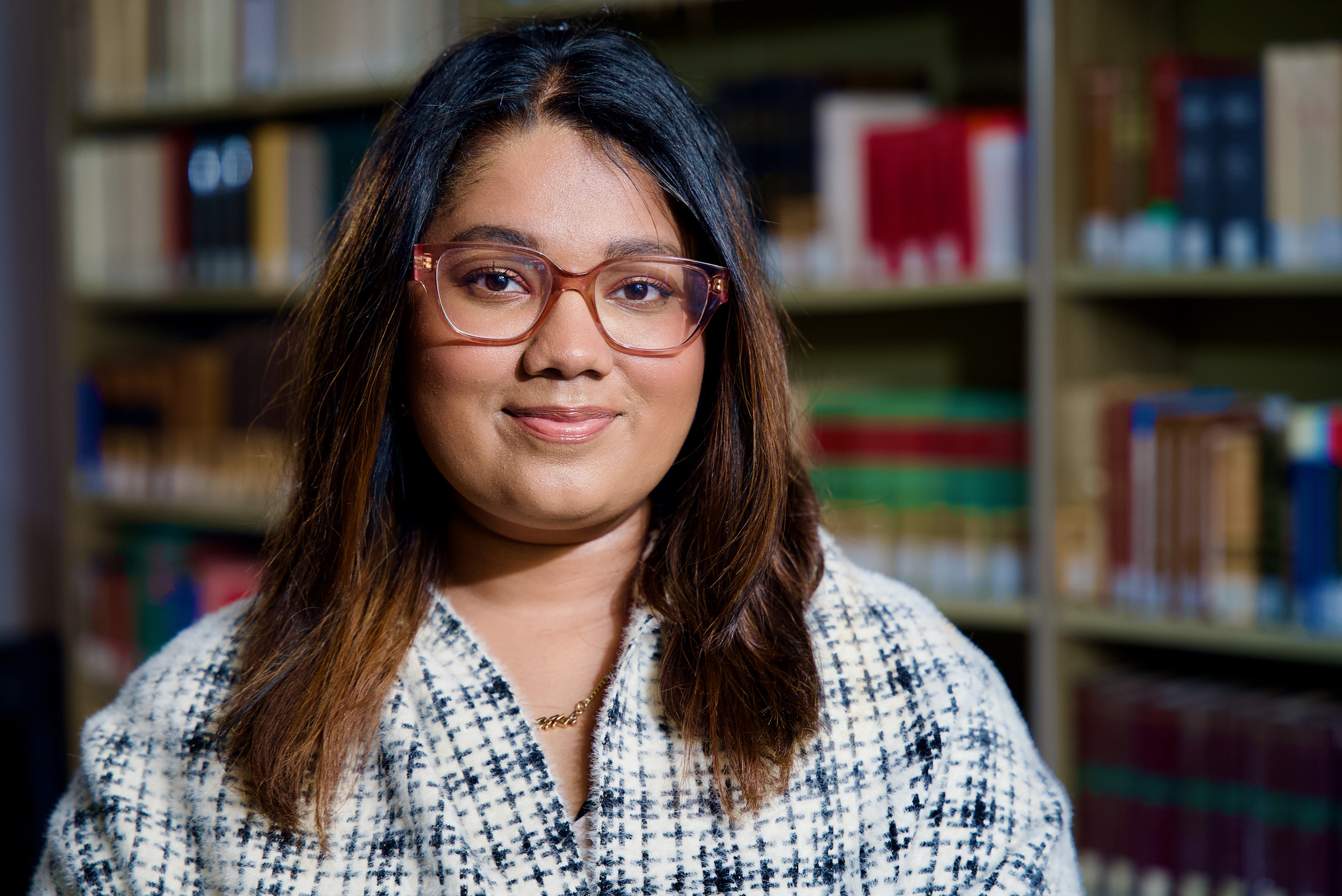
Anoushka Sinha says she hopes to turn conversations into action through her partnership with Global Citizen. Image: Riccardo Alfano for Global Citizen
In The Beginning
At 23, Sinha, who was born and raised in India, has more than a decade of experience in advocacy and community initiatives..
Her work began when she started questioning barriers she observed in her community. She was the child who often asked tough questions and went in search of answers when they were simply not good enough.
“A lot of my advocacy comes from having personally experienced environments where I felt unheard or underestimated. Those moments shaped me deeply. They made me realize how dangerous silence can become when people start accepting inequality as ordinary. I think advocacy became my way of refusing that silence,” she shares.
“I grew up in environments where girls were expected to tolerate inequality quietly. I experienced bullying, discrimination, and moments where my voice felt inconvenient simply because I was a young girl speaking too loudly about things people preferred to normalize. Home, school, society — all of them taught me in different ways how easily girls are told to shrink themselves. But somewhere between that pain and that silence, I became stubborn.”
That stubbornness has served her and her community well. She leads the Anupam Foundation and initiatives like Girllytical, where they work across girls’ education, digital literacy, STEM access, youth leadership, and gender equality.
Through this work, she’s collaborated with organizations like UNICEF, UNESCO, the World Bank, and UN Women.
“But the moments that stay with me most are never the glamorous ones. They are the quiet moments. A girl telling me she stayed in school because someone finally believed in her. A student touching a laptop for the first time. Young women saying they finally feel seen. That is what matters to me. Not titles. Not applause but real impact that feels human.”
A Voice that Won’t Be Silenced
Speaking of impact, Sinha has had a huge one in working on gender equality initiatives throughout her career, a cause she will never tire of.
As a preteen, she was the youngest radio show host in India, a fierce advocate for girls at a time when it was not popular.
In her teens, she became one of the youngest advisors for organizations like the World Bank.
When speaking about the inspiration behind her work, she doesn’t mince words.
“I think people assume advocacy starts with inspiration. For me, it started with anger. I was angry at how normalized inequality was. Angry that girls learned to apologize for existing too loudly. Angry that children were expected to carry burdens adults created. Angry that some people had to fight ten times harder just to access opportunities others inherited effortlessly,” she says.
“But more than anger, I remember feeling invisible. As a child, I understood what it felt like to have emotions dismissed, to feel unheard, and to constantly navigate spaces that made you feel smaller. Once you experience that deeply enough, you start recognizing invisibility everywhere — in classrooms, communities, policies, systems. At 10, I started doing community campaigns because I realized something important very early: silence protects systems, not people.”
Being on radio gave her a platform and she never turned back.
“And suddenly I saw how powerful storytelling could be. Statistics inform people, but stories move them. Stories make injustice impossible to ignore. That changed my life completely. I stopped seeing advocacy as “helping people”. I started seeing it as redistributing power, visibility, and opportunity.”
The Challenges of Advocacy Work
Navigating through her own experiences while telling other people’s stories can be tricky.
Sinha is right now carrying stories she can never forget.
“People often romanticize advocacy work. They see the panels, the speeches, the recognitions. What they do not see is the emotional weight that comes with constantly witnessing injustice up close. I have met girls forced to abandon education because of poverty. Young women who are brilliant but have been conditioned to believe their dreams are unrealistic. Children who already speak about survival instead of possibility.”
She says the conversations stay with you.
“And sometimes the hardest part is knowing that many systems move painfully slowly while people’s lives cannot wait. I also think being a young woman in advocacy comes with its own challenges. There are still spaces where young people are invited symbolically rather than meaningfully. You are celebrated for being “youthful” until your opinions become uncomfortable. People love hearing young voices until those voices challenge power structures directly. I’ve experienced life threats, public pressure, grief, uncertainty all while trying to continue leading responsibly.”
If there’s one thing she’s realised it’s “changing the world is not glamorous work. It is repetitive, emotionally demanding, and often invisible.”
Global Reach
She’s spent years on the frontline of advocacy and winning the Global Citizen Prize feels like a moment to breathe.
She’s clear that it is not the finish line at all.
“It is a reminder that I have to work even harder to ensure the people and communities I represent are not only heard temporarily but invested in meaningfully. This award feels like proof that our stories deserve space too.
“I think about the younger version of myself constantly questioning whether her voice mattered at all. I think about every young girl who has ever been made to feel “too emotional,” “too ambitious,” “too loud,” or “too difficult” simply because she refused to stay silent,” she says.
“But beyond that, it gives visibility to the communities and causes I’ve spent years fighting for — girls’ education, youth leadership, gender justice, and equitable access to opportunity. Recognition creates reach. And reach creates responsibility.”
Resilience as a Currency
Sinha cares deeply about the work she does. The activist, who is also a classically trained singer, shares a little about the moments that made her into the woman she is today.
Losing her dad was one of them.
“After losing my father, life became very different very quickly. There were moments that changed me permanently. Moments that made me understand how heavy the world can feel for women and girls who are constantly expected to endure more, explain less, and continue anyway.”
That’s when she started understanding the word resilience.
“Personally, my understanding of resilience comes from watching the women around me survive things they should never have had to survive. I grew up watching strength become a necessity instead of a choice. Watching women carry grief, pressure, sacrifice, and pain while still being expected to keep everything together. Watching silence become survival,” she says.
“There were moments where I felt exhausted beyond words. But I’ve learned something important: resilience is not waking up every day feeling strong. Resilience is choosing to continue when strength feels unavailable. And honestly, sometimes what keeps me going is pure refusal. Refusal to let girls continue believing they are “less than. Refusal to normalize injustice. Refusal to inherit broken systems quietly. I think hope is powerful, but sometimes defiance is powerful too.”