Global Citizen NOW, the summit driving action on the world's most urgent challenges, returned to Brazil on June 4 at Casa Firjan in Botafogo as a centerpiece of the inaugural Rio Nature & Climate Week. Two days later, on June 6, Global Citizen Live: Rio de Janeiro brought that call to action to the wider public with a free concert overlooking Rio's iconic waterfront at Enseada de Botafogo. Headlined by Ms. Lauryn Hill, Wyclef Jean and Brazilian superstar Ludmilla, these events wove together music, advocacy, and global leadership in support of a more sustainable and equitable future.
Together, the two events launched the next chapter of Global Citizen's Protect the Amazon campaign, building on the more than $1 billion in commitments and 4.4 million citizen actions secured during its first phase in 2025. Before, the campaign was urgently fixed on advancing the protection of people and the forest. Now, our mission is focused on moving from protection to prosperity, because it’s not enough for the forest to stand if everything around it is out of balance. While the campaign initially focused on mobilizing global attention and resources, the next step is all about expanding delivery: turning commitments into action, advancing promised investments, and building a resilient, sustainable economy that works for the people and communities who have long served as stewards of the natural environment. The future of our planet depends not only on conservation, but on empowering the communities who have stewarded and depended on the world’s ecosystems for generations.
Across both events, one message rang clear: protecting the planet is not only an environmental imperative — it is an economic, cultural, and human one. From clean energy and regenerative agriculture to Indigenous-led conservation and sustainable development, these nights spotlighted solutions to urgent issues facing our world being led across the Global South. What’s needed now is the financing, political will, and partnerships to bring them to scale and make sure their impact is built to last.
To do so, these events set out to:
- spotlight solutions to urgent issues facing our world already being led across the Global South;
- mobilize funding for sustainable agriculture across the Amazon and Latin America, supporting up to 10,000 jobs.
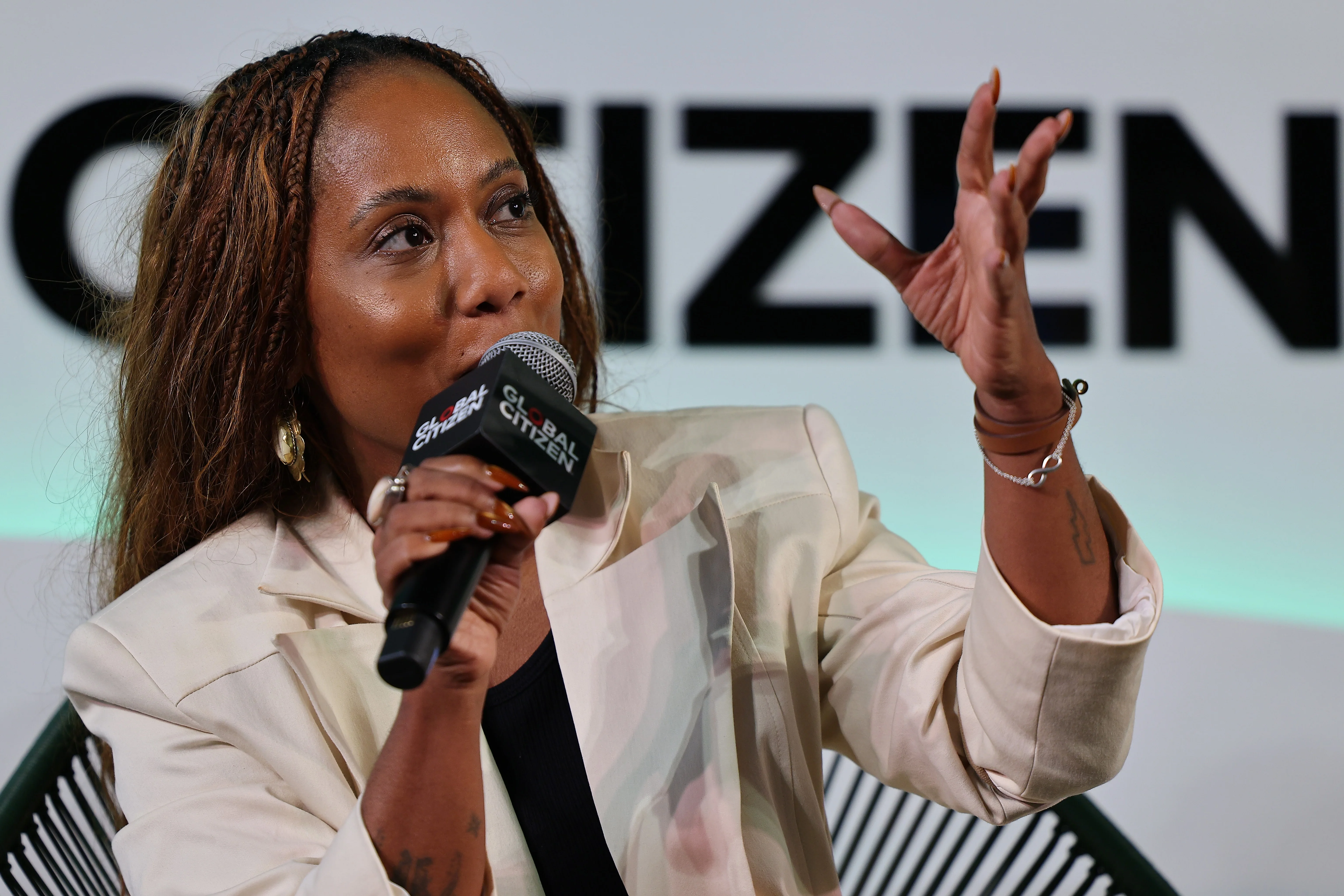 Luiza Brasil reflects on the role of storytelling, journalism, and culture in shaping public understanding and inspiring action. | Wagner Meier/Getty Images for Global Citizen
The week also marked a major milestone for the FIFA Global Citizen Education Fund, which surpassed the halfway mark to its ultimate fundraising goal with $50 million mobilized to expand access to quality education and sport for children around the world. Together, these achievements underscored a core belief at the heart of Rio Nature & Climate Week: whether protecting forests, expanding education access, strengthening food and health systems, or advancing economic opportunities, long-term progress depends on investing in people and what every community needs to thrive.
Education is central to that vision. But building opportunity requires more than access to a classroom alone. Children need nutritious meals, healthcare, family planning services, strong mentorship, and supportive learning environments to reach their full potential. When those foundations are in place, young people are better equipped to lead their communities, participate in emerging green industries, and help build resilient local economies. Together, these campaigns invest in the long-term, sustainable prosperity needed to shape a better future for generations to come.
Rio Nature & Climate Week Kicks Off a New Platform for Global Action
Hosted in partnership with Instituto Natureza e Clima Brasil, the City of Rio de Janeiro, and Re:wild, the inaugural Rio Nature & Climate Week brought together leaders from government, business, philanthropy, civil society, Indigenous communities, and culture to advance solutions to the climate and nature crises. This week-long program created a curated agenda with dozens of independently hosted sessions across Rio, creating a citywide platform for dialogue and action. As a co-organizer of the week, Global Citizen helped anchor the program through Global Citizen NOW: Rio and Global Citizen Live: Rio de Janeiro, two flagship events that connected policy discussions with public engagement and action.
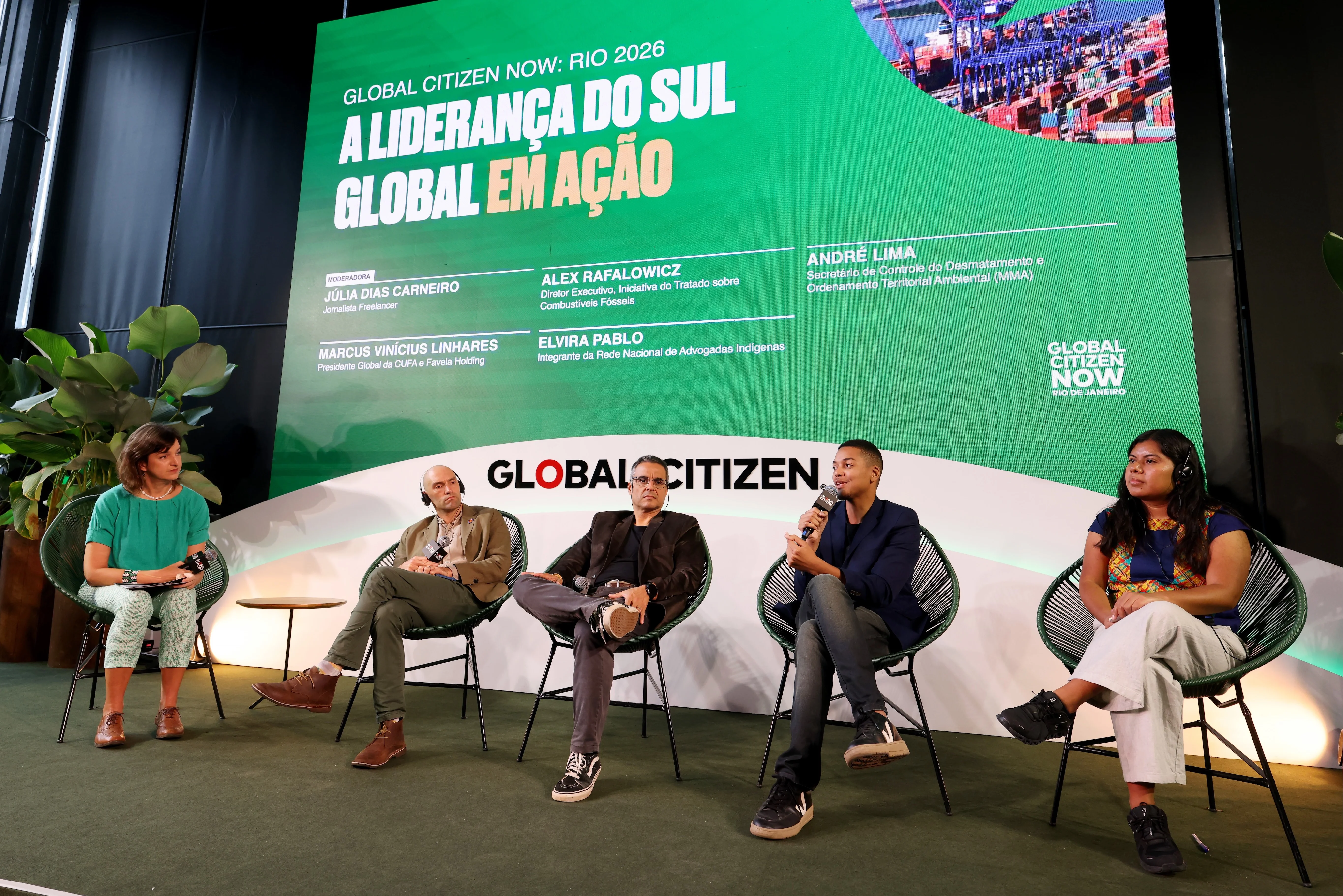 (L-R) Júlia Dias Carneiro, Alex Rafalowicz, Marcus Vinicius Athayde, André Lima, and Elvira Pablo discuss how communities across the Global South are driving climate and development solutions. | Wagner Meier/Getty Images for Global Citizen
The setting was entirely fitting. As Brazil takes lessons learned from hosting COP30 and builds on its recent G20 leadership, the country has emerged as a leading voice on climate, nature, and inclusive development. Throughout the week, participants explored how protecting the Amazon and advancing economic opportunity can go hand in hand, from supporting local communities directly to scaling up sustainable industries and green jobs. At a time when climate cooperation and public funding is under pressure, Brazil and the broader Global South are showing that climate action cannot be separated from economic development.
In this way, Rio Nature & Climate Week offered a natural next step for Global Citizen’s Protect the Amazon campaign, connecting policy leadership with public participation. The goal was to create a clear pathway for individuals to get involved and ensure momentum extends beyond closed door meetings into meaningful, collective action. Creating these public pathways is essential because environmental protection cannot be separated from people’s lives and livelihoods. Lasting progress depends on creating the conditions for communities to thrive. The goal can’t just be to safeguard natural resources, but to strengthen the communities on the frontlines of protecting it, ensuring they have the support and opportunities needed to build resilient and prosperous futures.
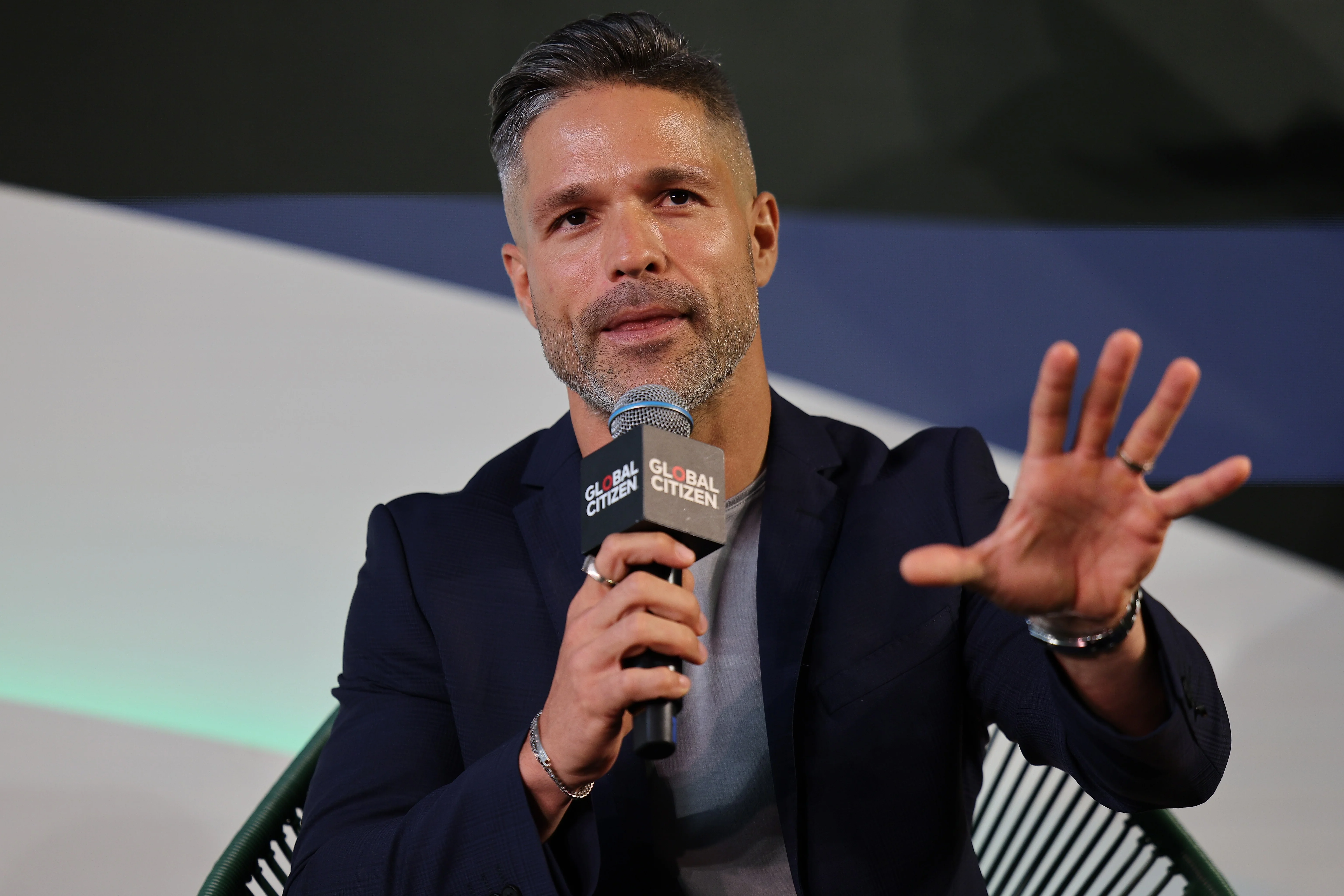 Diego Ribas discusses how sport can create pathways to education, opportunity, and social impact during Global Citizen NOW: Rio de Janeiro. | Wagner Meier/Getty Images for Global Citizen
A Critical New Phase: Turning Promises for the Amazon Into Reality
The first phase of Global Citizen’s Protect the Amazon campaign sought to put Brazil at the center of the global climate conversation proved what targeted collective action can achieve: more than $1 billion and 4.4 million of citizen actions mobilized, with major commitments secured to protect forests from deforestation, invest in a clean energy transition, and support the frontline communities who live in and care for the Amazon directly. All told, these pledges will lead to the protection or restoration of 31 million hectares of land and overall impact 18 million lives.
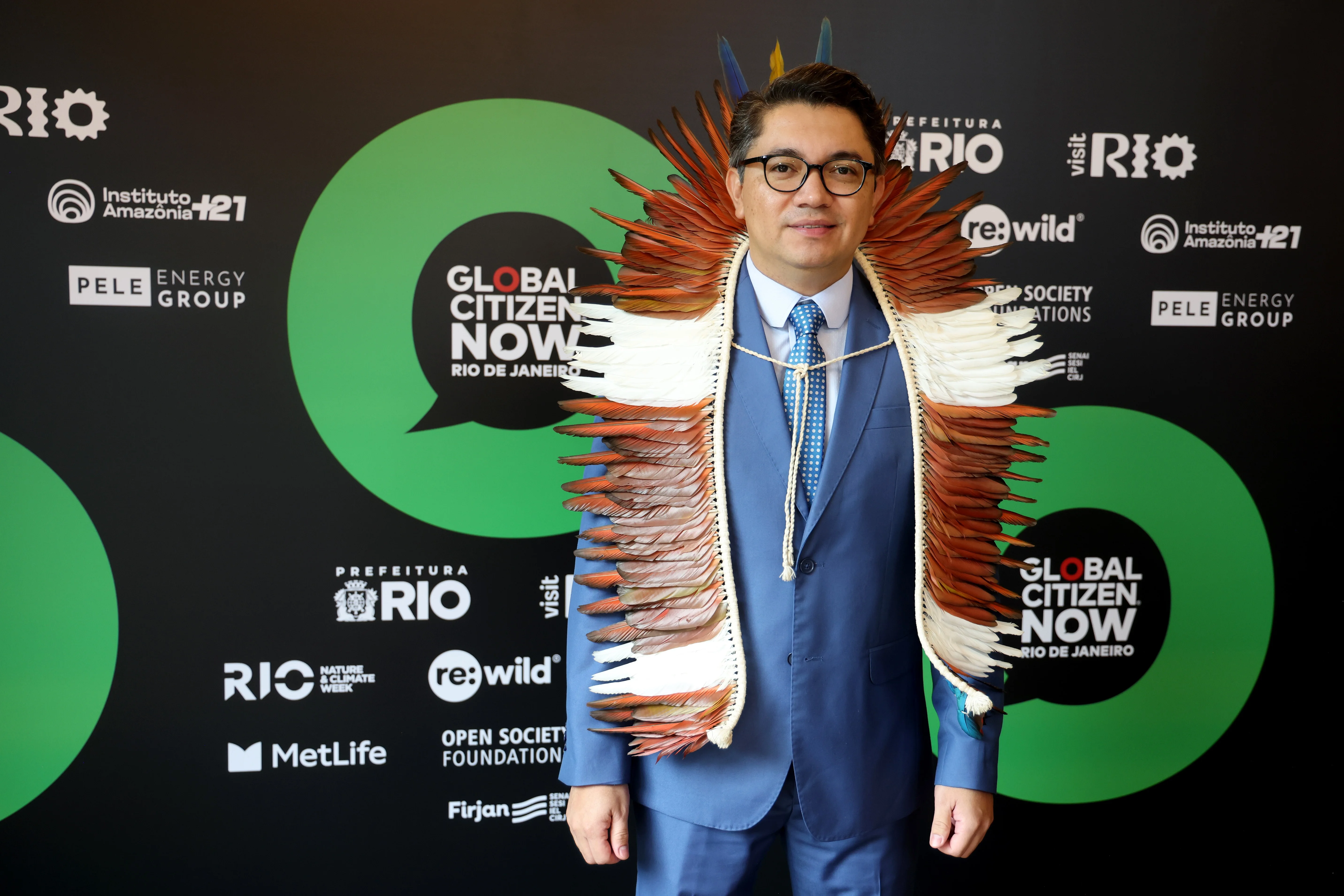 Eloy Terena, Brazil's Minister of Indigenous Peoples, speaks on the importance of Indigenous leadership in shaping climate and development solutions. | Lucas Figueiredo/Getty Images for Global Citizen
With Global Citizen NOW: Rio and Global Citizen Live: Rio de Janeiro, the campaign entered its next phase, moving away from raising awareness and towards delivery, investment, and measurable outcomes.
The campaign has been strengthened by the partnership of Indigenous organizations, including the Coordination of Indigenous Organizations of the Brazilian Amazon (COIAB), the Articulation of Indigenous Peoples of Brazil (APIB), and the National Association of Indigenous Ancestral Warrior Women (ANMIGA), alongside civil society partners such as Greenpeace, Amazônia de Pé, Engajamundo, and the Central Única das Favelas (CUFA). Together with more than 190 civil society organizations, these partners helped mobilize support, amplify local voices, and shape the campaign's vision.
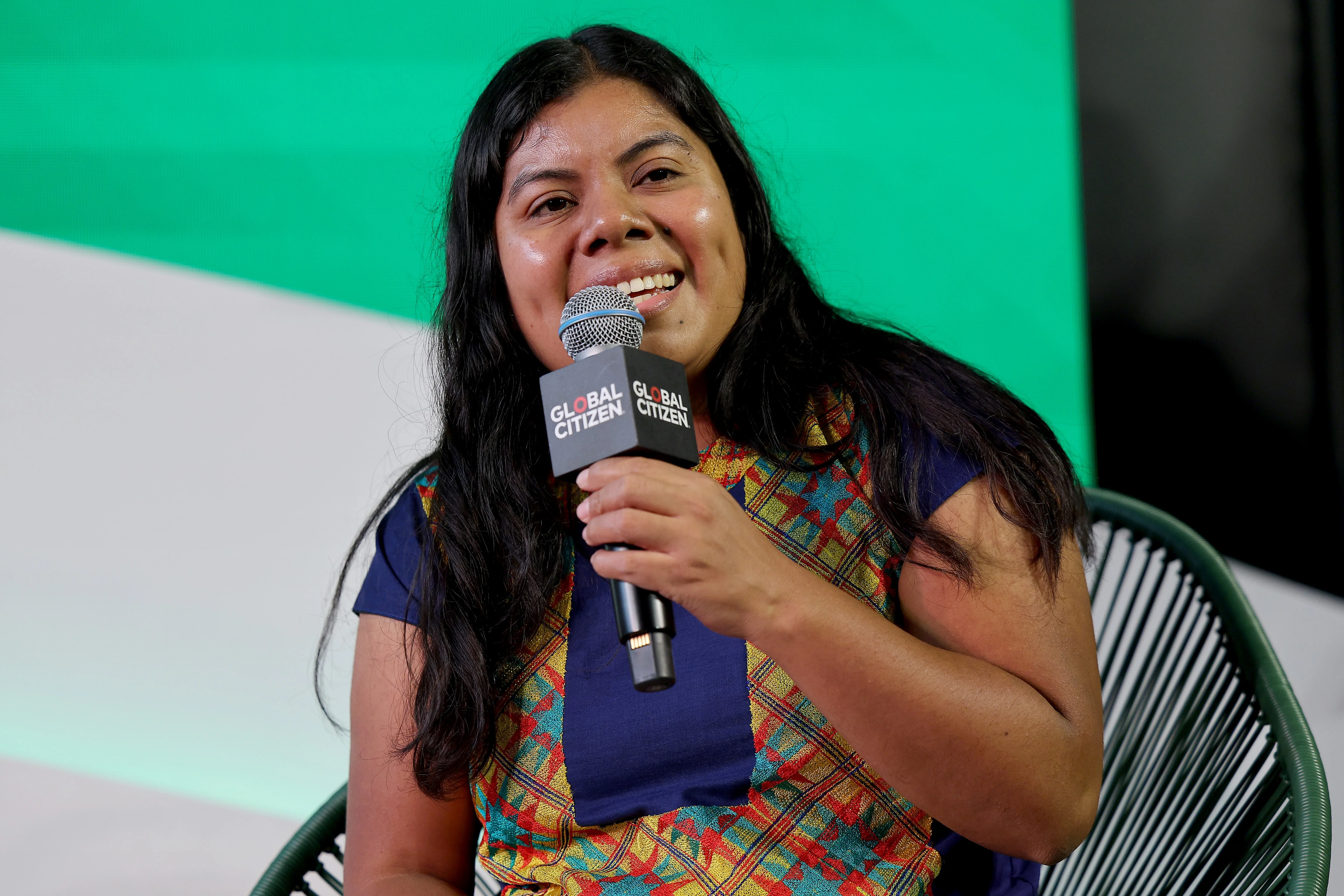 Elvira Pablo highlights the importance of Indigenous women's leadership in shaping equitable climate and conservation policies. | Wagner Meier/Getty Images for Global Citizen
At the center of this next chapter is a simple idea: the Amazon’s future cannot be secured through conservation alone. It requires a new economic model that recognizes the value of forests left standing, supports the Indigenous, Afro-descendant, riverine, Quilombola, and local communities who safeguard them, and creates real opportunities for people to thrive across rural areas and urban peripheries. The future of climate security depends on each of these communities having the ability to withstand challenges and thrive, with dignity and economic opportunity. That means advancing clean energy access, regenerative agriculture, sustainable livelihoods, green jobs, community-led conservation, and education and skills for the climate economy.
To get there, Global Citizen is working to help mobilize the financing structures needed to move solutions from promise to scale — from catalytic philanthropy and development finance to blended capital, public policy, and private-sector investment. These tools can help reduce early risk that disincentivizes private investment and unlocks the capital needed to support the people already making a difference on the ground today.
Early progress from pledges made during the Protect the Amazon campaign, which secured a total of 33 financial and policy commitments, is already showing how commitments can move from promise to implementation. One of the clearest examples of this work was highlighted through an update from Fundo Flora, a restoration fund first announced at Global Citizen Festival: Amazônia in 2025. Created by WRI Brasil and managed in partnership with Sitawi Finance for Good, Fundo Flora was designed to solve a longstanding challenge in conservation finance: getting a reliable stream of capital directly in the hands of local organizations leading restoration efforts. At launch, the fund secured $4.9 million from partners including the Bezos Earth Fund, The Coca-Cola Foundation, and the AKO Foundation, with a goal of directing $10 million to restoration champions across Pará State by the end of 2026.
The fund is well on its way towards achieving that goal. Following its first call for proposals, Fundo Flora selected an inaugural cohort of 10 projects, representing 26 cooperatives, associations, and enterprises, for investment. Together, these projects are expected to restore more than 1,500 hectares of degraded land, regenerate over 1 million trees, create more than 210 jobs, and benefit 4,000 people. The fund prioritizes organizations led by Indigenous Peoples, Afro-descendant communities, women, and young people — groups that have historically received limited access to financing despite being central to restoration and conservation efforts.
Other campaign commitments are also beginning to take shape. The Soros Economic Development Fund (SEDF) has finalized its investments totaling $35 million in local funds including the Amazon Biodiversity Fund, SP Ventures, and EcoEnterprises, advancing sustainable economic development models that protect nature while creating jobs and strengthening local livelihoods. Meanwhile, IDESAM has deployed R$25 million Brazilian reals — half of its R$50 million target — into bioeconomy ventures throughout the Amazon through its PPBio program, with early results showing promising signs of both improving local incomes and sustainability throughout local value chains.
Other commitments span the full scope of what a prosperous, nature-based economy requires. Major pledges included $185 million from Banco do Brasil towards its broader $1 billion Amazon strategy; $100 million from the Inter-American Development Bank for forest, water, and Indigenous bioeconomy initiatives; more than $160 million from Everland for long-term Indigenous forest protection; $50 million from Energea to expand clean energy access to off-grid communities; and food security and biodiversity investments from CIMMYT, the Crop Trust, and others.
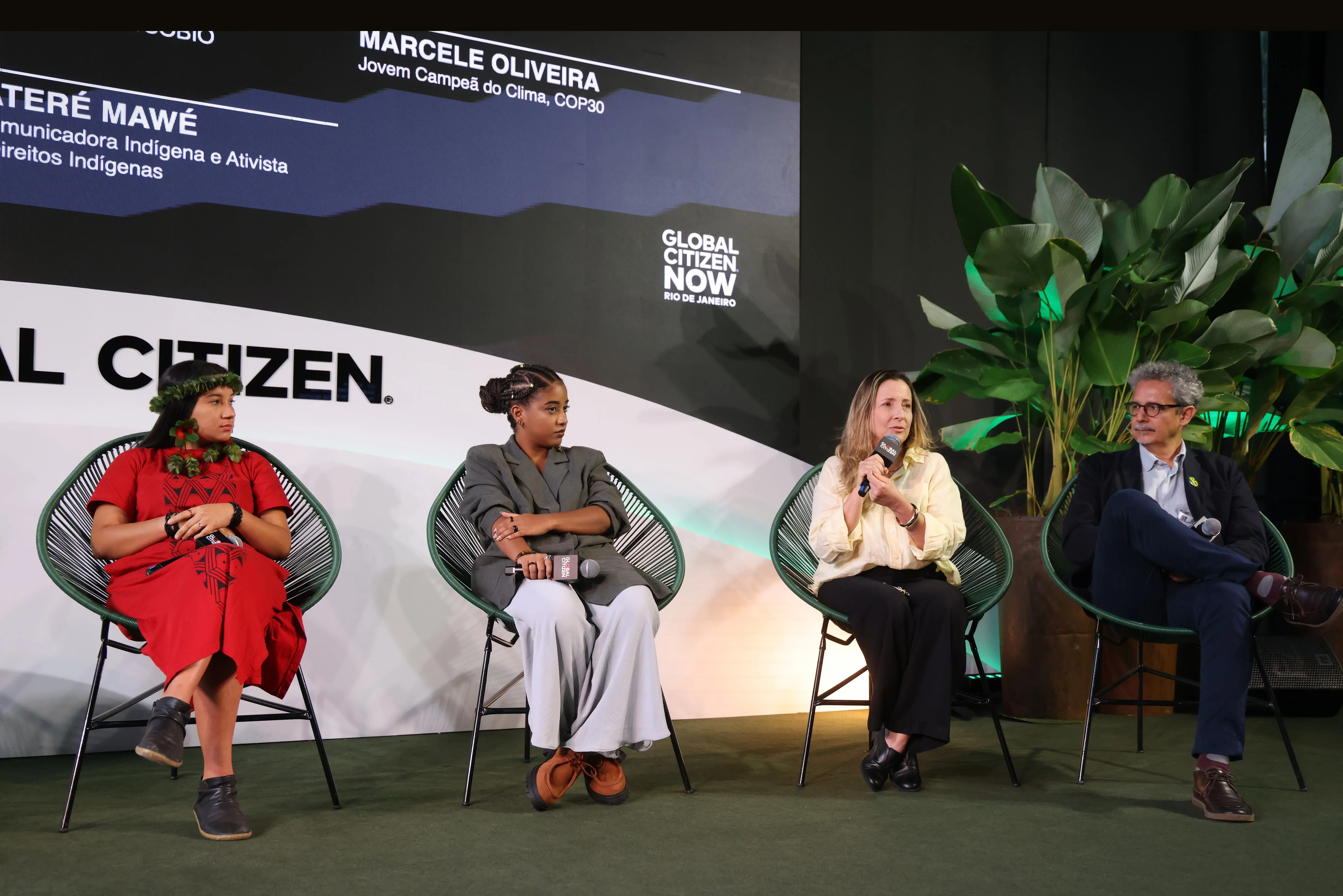 (L-R) Samela Sateré Mawé, Marcele Oliveira, Mirela Sandrini, and João Tezza Neto discuss how a thriving bioeconomy can create prosperity while protecting nature. | Wagner Meier/Getty Images for Global Citizen
These commitments help demonstrate what it means to connect environmental protection with the essentials every community needs to thrive. That’s because the Amazon and other ecosystems’ greatest value is not what can be extracted from them, but what can flourish when they’re left standing.
Put simply, protection without prosperity will not endure for long. Lasting conservation depends on embedding conservation into local economies and ensuring that the people on the frontlines of protecting nature have access to the education, jobs, energy, health care, and economic opportunities they need to thrive for generations.
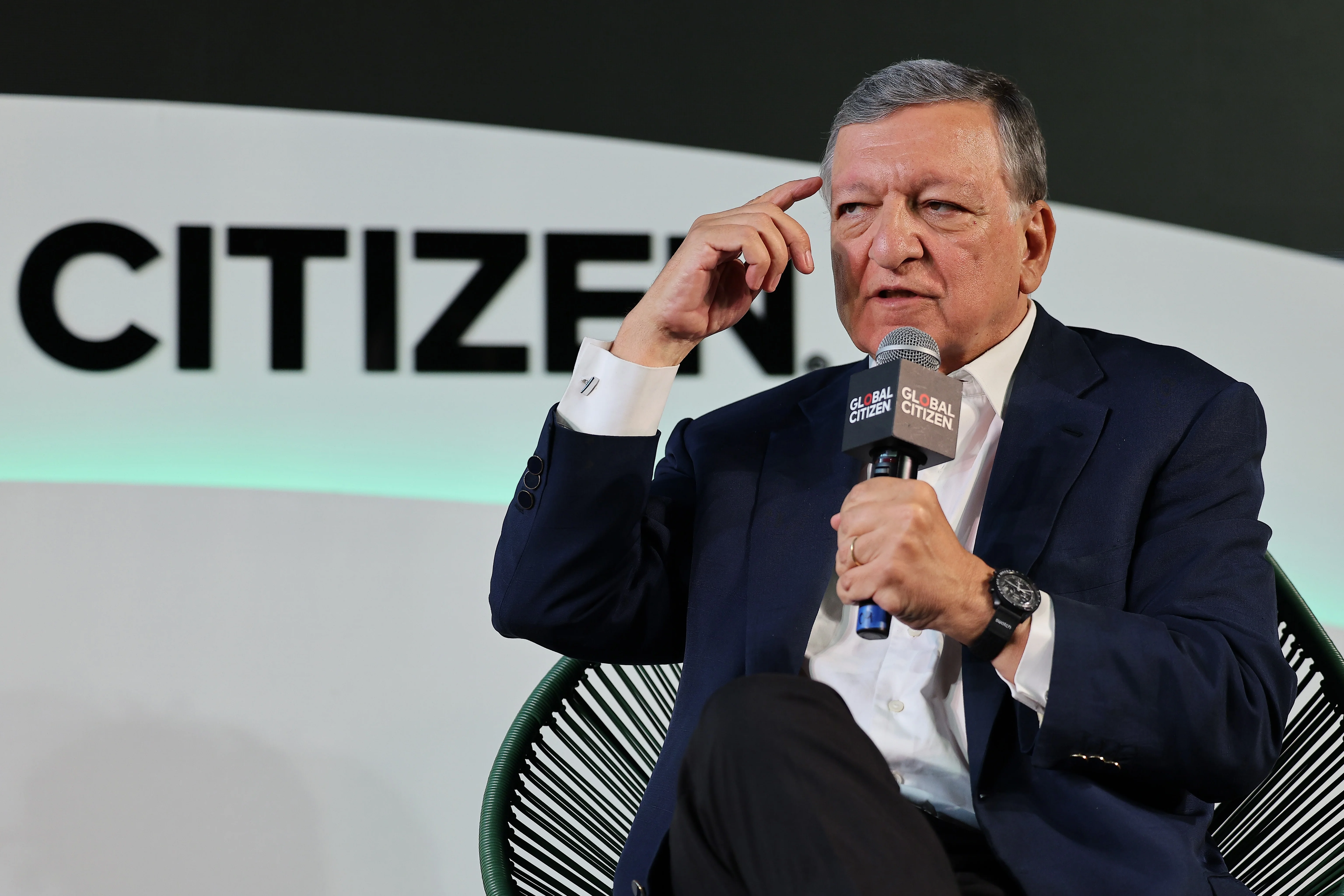 José Manuel Durão Barroso, former President of the European Commission, discusses global leadership and international cooperation during Global Citizen NOW: Rio de Janeiro. | Wagner Meier/Getty Images for Global Citizen
Global Citizen NOW Returns to Rio do Janeiro
As part of Rio Nature & Climate Week, Global Citizen NOW: Rio de Janeiro took place at Casa Firjan in Botafogo on June 4 for a half-day summit co-hosted by journalist Luiza Zveiter and fashionista Gabb. As international challenges mount amid tightening aid budgets and fracturing climate cooperation, the convening brought together leaders from across all sectors to build alignment and accountability while also spotlighting practical solutions and partnerships already being brought to life on-the-ground today.
Returning to Rio for the second time — and marking the third Global Citizen NOW summit held in Brazil following the launch of the Protect the Amazon campaign at Global Citizen NOW: Rio de Janeiro in 2024 and Global Citizen NOW: Amazônia in Belém in 2025 — the event served as a platform to forge partnerships, spotlight innovative solutions, and accelerate action on the issues shaping the future of the Amazon and the wider region. This iteration was presented in partnership with the City of Rio and organization partners Rio Nature & Climate Week and Re:wild, along with major partners Amazonia+21 and MetLife and supporting partners Open Society Foundations and Pele Energy Group, with thanks to Heineken.
Throughout the day, speakers emphasized a core argument that protecting nature and expanding economic opportunity are not competing priorities — they are deeply interconnected goals. The conversations that followed explored how governments, businesses, philanthropies, Indigenous leaders, and citizens can work together to build solutions up to the scale that they’re needed and ensure that the transition to a greener future creates equitable prosperity for communities across the Amazon and beyond.
A Day of Dynamic Discussions
The summit opened with remarks from Luiz Césio Caetano, President of Firjan, who welcomed attendees and underscored the importance of Rio Nature & Climate Week as a catalyst for ambitious climate leadership both locally and globally.
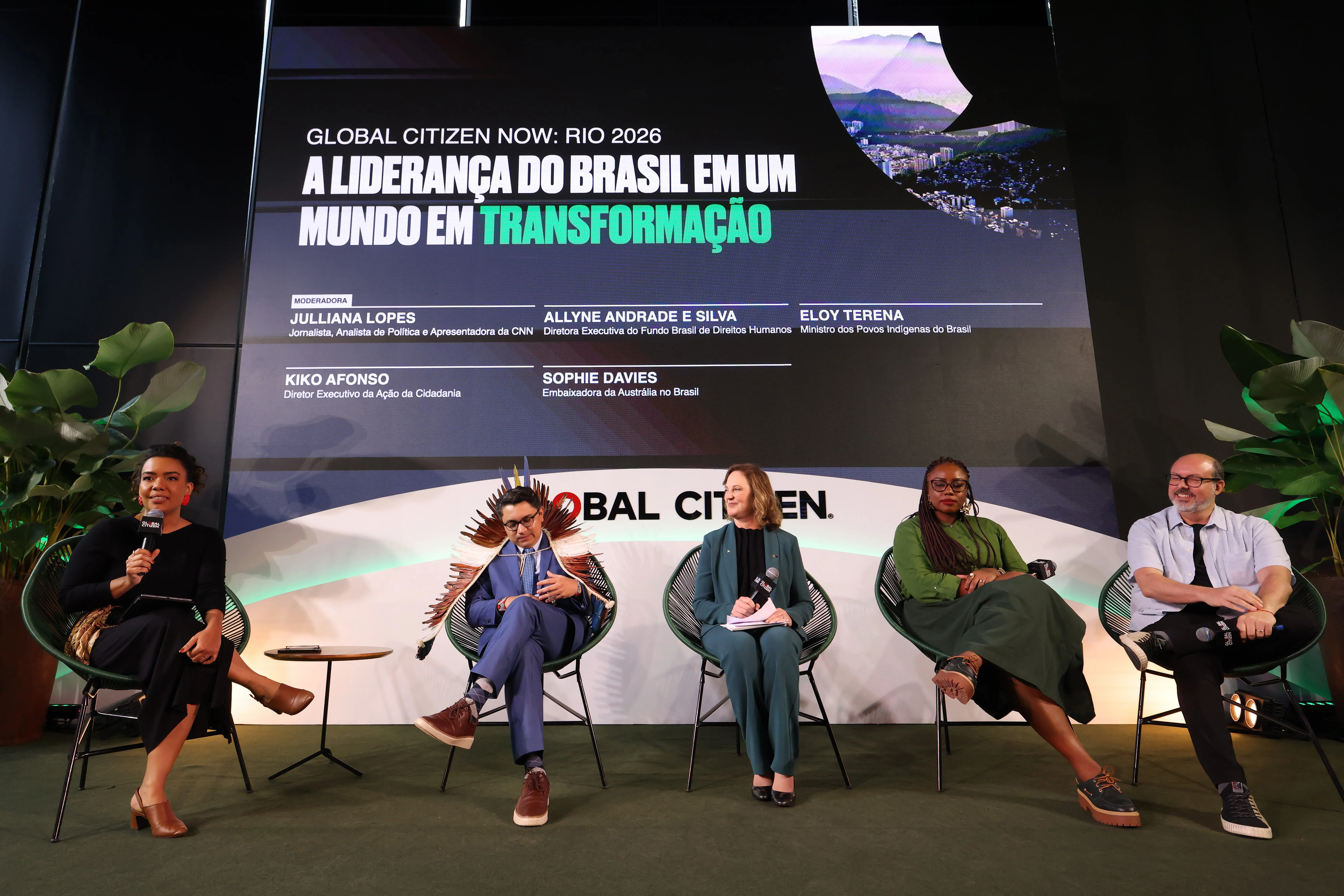 (L-R) Allyne Andrade e Silva, Eloy Terena, Kiko Afonso, and Sophie Davies reflect on Brazil’s leadership in a changing world and the role of democracy, Indigenous voices, and civic action in shaping a more sustainable future. | Wagner Meier/Getty Images for Global Citizen
Throughout the day, speakers returned to a central idea: protecting nature and expanding economic opportunity are not competing priorities — they are deeply interconnected goals. Conversations explored how governments, businesses, philanthropies, Indigenous leaders, and citizens can work together to build and scale necessary solutions and ensure the transition to a greener future creates equitable prosperity across the Amazon and beyond.
- Global South Leadership in Action — Moderated by Júlia Dias Carneiro (Independent Journalist), this panel united Alex Rafalowicz (Executive Director, Fossil Fuel Treaty Initiative), André Lima (National Secretary, Extraordinary Secretariat for Deforestation Control, Ministry of Environment and Climate Change), Marcus Vinicius Linhares (President, CUFA Global and Favela Holding), and Elvira Pablo (Member, National Network of Indigenous Women Lawyers) to explore how, in a time of geopolitical uncertainty, communities in continents across the Global South are shaping global agendas through practical solutions, economic leadership, and cultural influence at a time of growing geopolitical turmoil.
- Building an Economy That Works With Nature — Juliana Wallauer (Founder, Mamilos) moderated a conversation between Marcelo Thomé (President, Amazônia+21 Institute and FAIS), Obakeng Moloabi (Founding Member and Business Development Director, Pele Energy Group), and Ricardo Mussa (President, SB COP) on what it takes to turn nature-based ideas into tangible projects. The four explored how investment can create jobs and economic opportunity, and how partnerships across sectors are helping scale solutions that support sustainable growth across South America.
- The Next Generation of Green Jobs — In a second conversation moderated by Wallauer, Ana Fontes (Founder and President, Women Entrepreneurs Network), Eduarda Zoghbi (Founder, MPower Brasil), and Roberto Rossi (President, Schneider Electric Brazil) explored how transitioning to a green economy can create new pathways to decent work, entrepreneurship, and inclusive growth, placing social equity and opportunity at the heart of a climate-forward economy.
- Culture, Creativity & the Power to Shape Change — Hosted by Gabb, this conversation brought together Dayana Molina (Founder, Nalimo and Textile Researcher), Luiza Brasil (Journalist, Author of Caixa Preta & Columnist for Vogue Brasil), and Oskar Metsavaht (Creative Director, Osklen and President, Instituto-E) to examine how several of Brazil’s strongest creative industries — fashion, storytelling, design, and journalism — serve as powerful forces for democratic culture and social imagination, shaping what people believe is possible for their communities and their environment, inspiring new forms of action and civic participation.
- The Bioeconomy We Want — Moderated by Jessi Alves (Biologist and ESG Specialist), João Tezza Neto (Entrepreneur, Economist & Leader in the Amazon Bioeconomy), Marcele Oliveira (Presidency Youth Climate Champion, COP30), Mirela Sandrini (Executive Director, WRI Brasil), and Samela Sateré Mawé (Biologist, Artisan, Indigenous Communicator & Climate and Indigenous Rights Activist) dove into the promise of the bioeconomy, its role in conservation, and the importance of ensuring Indigenous communities and civil society are centered in decision-making, accountability, and access to funding.
- Beyond the Game: How Sport Can Drive Investment, Education, and Social Impact — Moderated by Luiza Zveiter, this panel featured Denise Coelho (Head of Marketing, MetLife Brazil), Diego Ribas (Entrepreneur & Mentor), and Pedro Moreno (Director of Marketing, Sponsorships, and Fundraising, Rede Tênis) examined how early investments in sport and the creative economy can help unlock children's futures, and how the FIFA Global Citizen Education Fund and its grassroots partners are delivering local impact on the ground.
- Global Leadership in a Fragmented World — A fireside conversation between José Manuel Durão Barroso (Professor, Universidade Católica Portuguesa & Former President of the European Commission) and Julliana Lopes (CNN Brasil Presenter and Political Analyst) unpacked what effective leadership looks like in an increasingly fragmented world, how the Global North and Global South can work together to drive progress, and what it will take to rebuild trust in international cooperation
- Brazil's Leadership in a Changing World — Moderated by CNN Brasil’s Lopes, this closing panel brought together Allyne Andrade e Silva (Deputy Executive Director, Brazil Human Rights Fund), Eloy Terena (Minister of Indigenous Peoples of Brazil), Kiko Afonso (Executive Director, Ação da Cidadania), and Sophie Davies (Australian Ambassador to Brazil) to reflect on Brazil's legacy from COP30 and the pathway toward COP31. Together, they discussed how democracy is essential for climate action and why Indigenous leadership must play a central role in shaping policy solutions for the future.
Spotlighting Solutions at Work
Alongside the day's discussions, a series of spotlight sessions highlighted organizations already doing the work to deliver tangible impact for communities across Brazil. Together, these organizations illustrate what becomes possible when visionary solutions and local leadership come together
- Revolusolar: Energizing Opportunity — Founded in 2015 in Rio de Janeiro’s Favela Morro da Babilônia, Revolusolar combines solar energy, job creation, and education to create community-led local development. Adriano Paraíso (Director of People and Communities) and Sara Hins (Project Leader) shared how the organization trains community residents to install and maintain solar panels, expanding access to clean energy while upskilling communities for jobs in green tech. Today, Revolusolar serves eight communities across Brazil, including an Indigenous community in the Amazon.
- Providência Agroecológica: Growing Resilience — Alessandra Roque (Co-Founder) shared how this socio-environmental organization’s work aims to advance food sovereignty, environmental education, cultural preservation through disseminating agroecology practices rooted in traditional Afro-Indigenous knowledge. Founded in 2013 by women from Morro da Providência — widely recognized as Brazil's first favela — is now constructing a new school while continuing its work at the intersection of ecological restoration and social justice.
- Bringing Rio to the World — Teresa Borges (International Relations Coordinator for the City of Rio de Janeiro) shared how cities — and Rio in particular — are tackling the climate crisis head-on locally. Highlighting Rio’s mitigation and adaptation plans, Borges explained how climate action is accelerating by leveraging international partnerships that exchange knowledge and foster collaboration across borders.
- Connect Forest People Network: Connecting Communities, Protecting Forests — Tasso Azevedo (General Coordinator) outlined the initiative's ambitious mission: expand digital connectivity, education, and economic opportunity across Brazil’s underserved forest communities. Beginning in the Amazon, the project aims to reach 1 million people in 9,000 communities by the end of the decade, ultimately expanding to other regions to demonstrate how conservation and development practices can work hand in hand.
The summit concluded on a celebratory note with a vibrant performance by Tambores de Olokun, whose drumming and procession invited attendees to gather outside the conference in a fitting finale for a day centered on community and collective action.
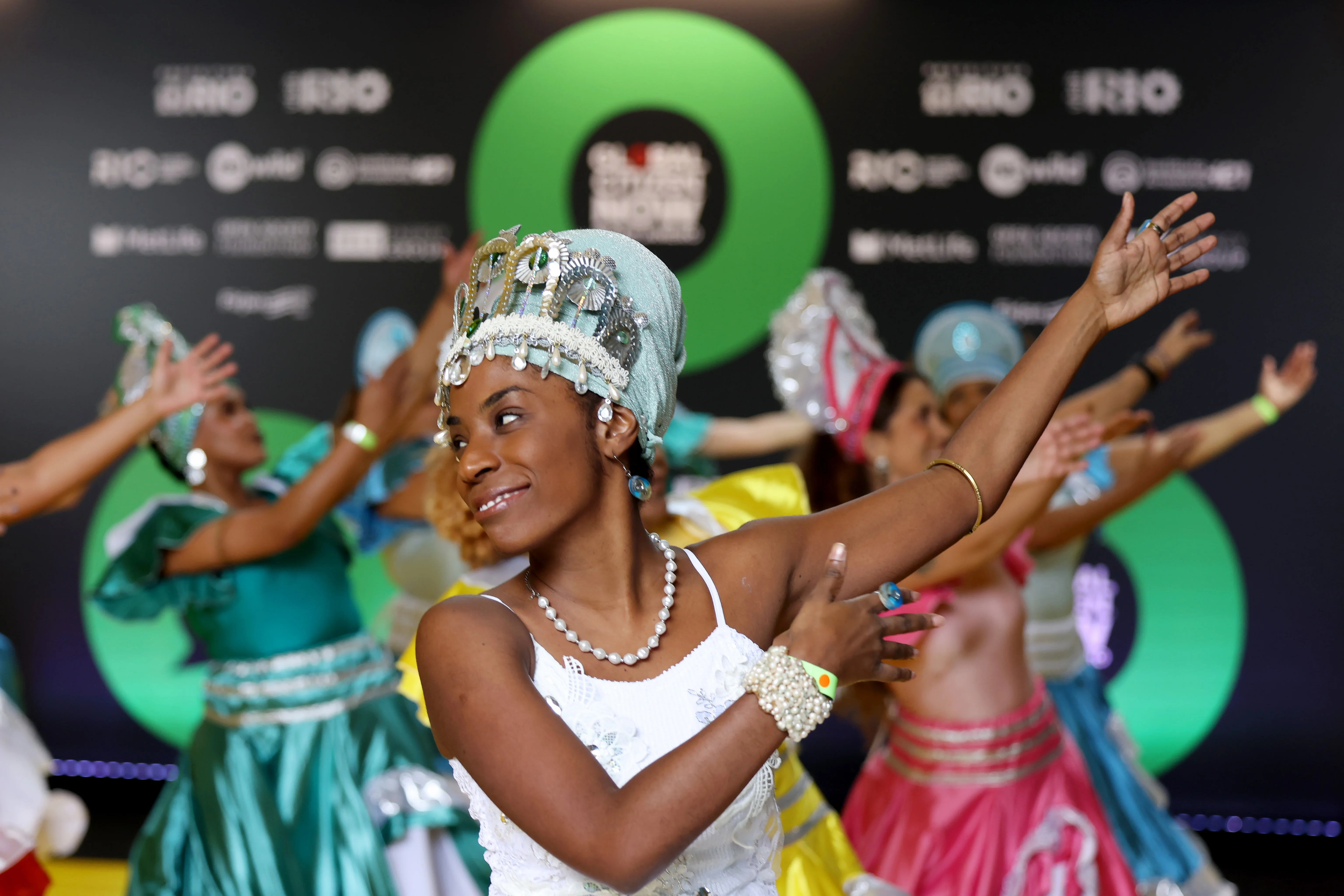 Performers welcome attendees to Global Citizen NOW: Rio de Janeiro at Casa Firjan, opening a day focused on turning climate ambition into action. | Wagner Meier/Getty Images for Global Citizen
Global Citizen Live: Rio Invites the Public to Join the Action
As the culmination of an electric week of climate action, Global Citizen Live: Rio closed out Rio Nature & Climate Week with a free concert at the iconic Enseada de Botafogo, one of the most iconic settings in the city. Headlined by Ms. Lauryn Hill and Wyclef Jean celebrating the 30th anniversary of the Fugees' landmark album ‘The Score,’ the evening also featured performances by YG Marley, Zion Marley, Ludmilla, and DJ Tamy Reis, with hosting duties taken on by Giovanna Ewbank and Bruno Gagliasso in front of a packed venue.
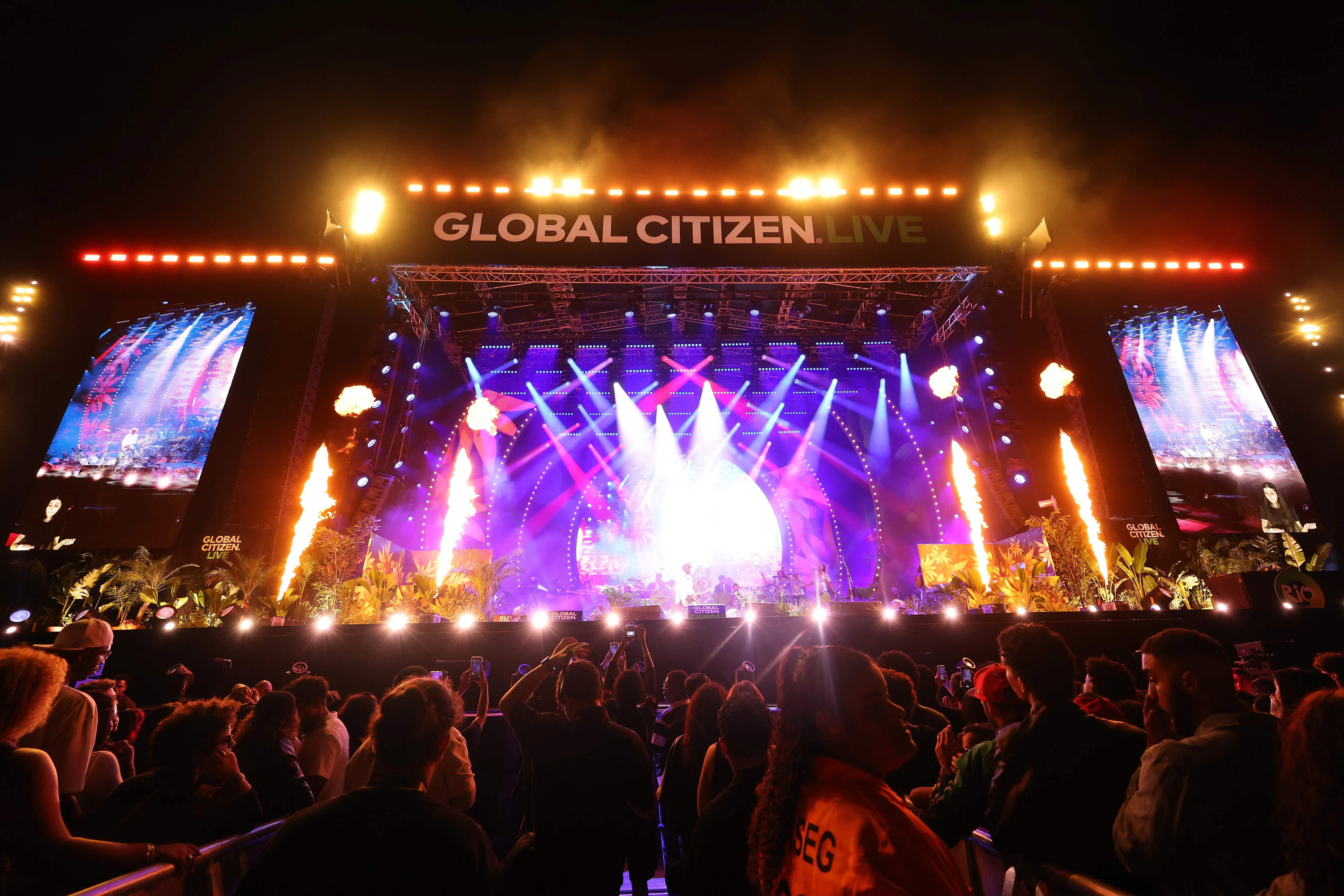
The event was free, but participation was far from passive. Through the Global Citizen app, WhatsApp engagement, and local volunteer opportunities, fans were invited to take action to support the evening’s campaign priorities to earn a chance to attend. Together, participants generated 1.75 million actions, building momentum across action journeys designed to protect the Amazon, mobilize climate finance, expand clean energy access, create green jobs, and support Indigenous and local communities. Actions tied to the event also supported key Global Citizen priorities, including efforts to mobilize financing for sustainable agriculture across the Amazon and Latin America with the potential to support up to 10,000 jobs, and fundraising for the FIFA Global Citizen Education Fund.
The concert capped off a broader week of other public engagement activities. On May 30, Global Citizen partnered with Instituto Boas Ondas for a beach cleanup at Praia da Barra. Days later, we joined Onda Solidária to host ‘Game for Climate,’ combining football with climate education activities to engage young people in the area. Together, these activities invited audiences in Brazil to connect with the campaign’s goals and demonstrate how everyone has a role to play in building a more sustainable future.
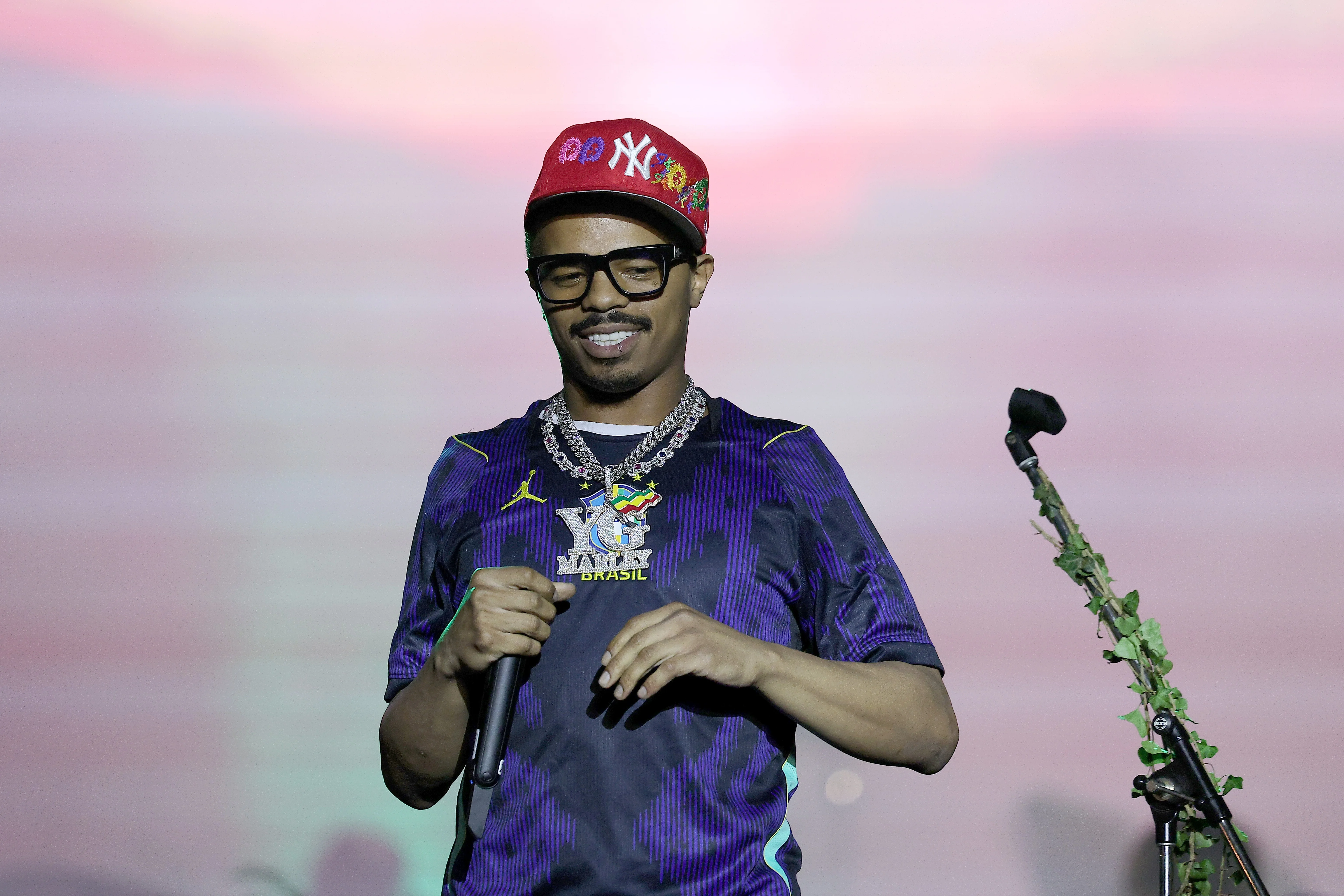 YG Marley performs at Global Citizen Live: Rio de Janeiro, where artists and Global Citizens came together to support action on nature, education, and opportunity. | Wagner Meier/Getty Images for Global Citizen
Global Citizen Live: Rio de Janeiro also continued Global Citizen's commitment to sustainable event production. Through an in-kind contribution of verified carbon credits from Future Climate and Solví, the event's entire carbon footprint will be offset through projects that capture landfill gas, reduce methane emissions, generate renewable energy, conserve forest in the Amazon, and advance circular economy solutions across Brazil, fostering long-term climate and community benefits.
At its core, Global Citizen Live: Rio showcased the organization's model in practice: harnessing the power of music, culture, and collective action to transform awareness into action, and action into measurable impact.
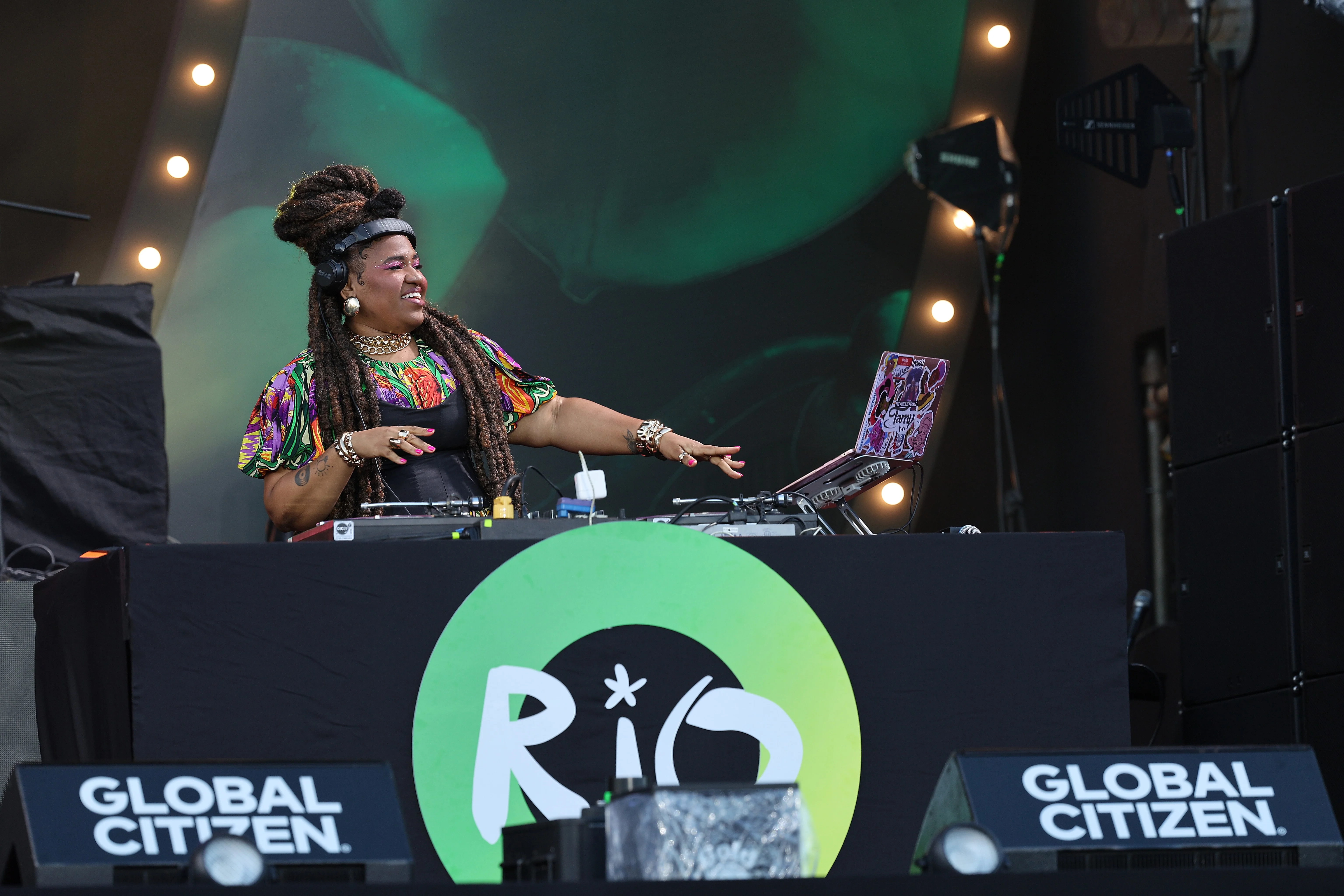 DJ Tamy Reis performs at Global Citizen Live: Rio de Janeiro, helping close out Rio Nature & Climate Week with a celebration of culture, community, and action. | Wagner Meier/Getty Images for Global Citizen
New Commitments Push the FIFA Global Citizen Education Fund Past $50 Million
The evening also marked a major milestone for the FIFA Global Citizen Education Fund, which surpassed $50 million raised toward its goal of mobilizing $100 million to expand access to quality education and sport for children around the world.
Several new commitments announced during the week helped build momentum towards crossing this threshold. In a video address during Global Citizen NOW: Rio, H.E. Hakainde Hichilema, President of Zambia, announced a $1 million commitment to the Fund, emphasizing the transformative power of education and calling on governments, businesses, philanthropists, and citizens to join the effort. "Talent is universal, but opportunity is not," President Hichilema said, calling upon other governments, businesses, philanthropies, and citizens everywhere to follow their lead in supporting the Fund to help change that. “Together, we can open doors that no child should ever find closed.”
Meanwhile, the United Kingdom-based Adam Foundation announced a significant $750,000 commitment to the Fund, helping expand access to educational opportunities, skills, and school meals to build brighter futures.for young people around the world and at home in Britain. The organization highlighted its plans to connect this new partnership’s impact to local British communities through its affiliated initiatives, Avicenna Foundation and Community Exchange Hub, helping create brighter futures and new pathways to success for young people both within and across borders.
Together, these commitments demonstrate a commitment to the belief that every child, regardless of where they are born, deserves a chance to access education, opportunity, and the support they need to grow up and thrive.
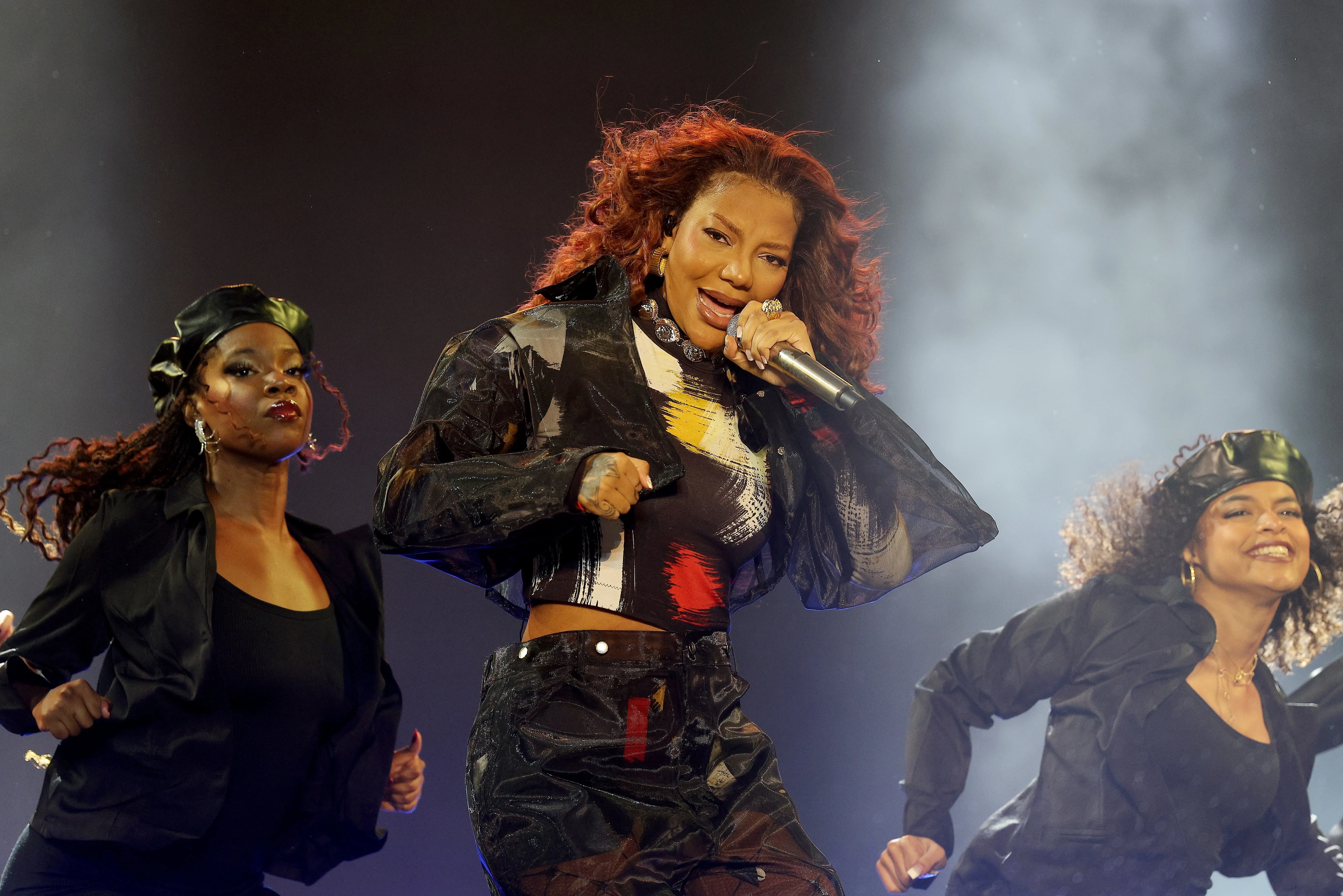 Brazilian superstar Ludmilla performs at Global Citizen Live: Rio de Janeiro, helping close Rio Nature & Climate Week with a celebration of music, culture, and collective action. | Wagner Meier/Getty Images for Global Citizen
What Comes Next
As Global Citizen continues to expand its presence around the world, these events in Rio marked an important milestone in a growing movement committed to turning ambitious ideas into measurable action. Across every conversation, commitment, and call to action at Global Citizen NOW and Global Citizen Live: Rio de Janeiro, it became crystal clear that protecting nature and expanding economic opportunity are not competing priorities. Long-term conservation requires investing in the people and communities who safeguard the planet’s most vital ecosystems, while lasting economic progress depends on protecting the natural resources that sustain lives and future growth.
The conversations and commitments announced in Rio reflect a broader shift already underway. Across Brazil and the wider Global Majority, leaders and advocates are advancing practical, investable models to connect development, nature, and prosperity. In practice, that means mobilizing investments, supporting sustainable jobs, expanding educational opportunities, accelerating clean energy access, and strengthening the conditions communities need to thrive. Building on early progress toward supporting up to 10,000 sustainable jobs across the Amazon region and Latin America, Global Citizen will continue working throughout 2026 with governments, businesses, philanthropies, multilateral institutions, and citizens to help unlock the investments and partnerships needed to make these goals a reality. The end of Rio Nature & Climate Week marks the beginning of the next phase of this work, one focused on tangible results for communities most affected by poverty and climate change.
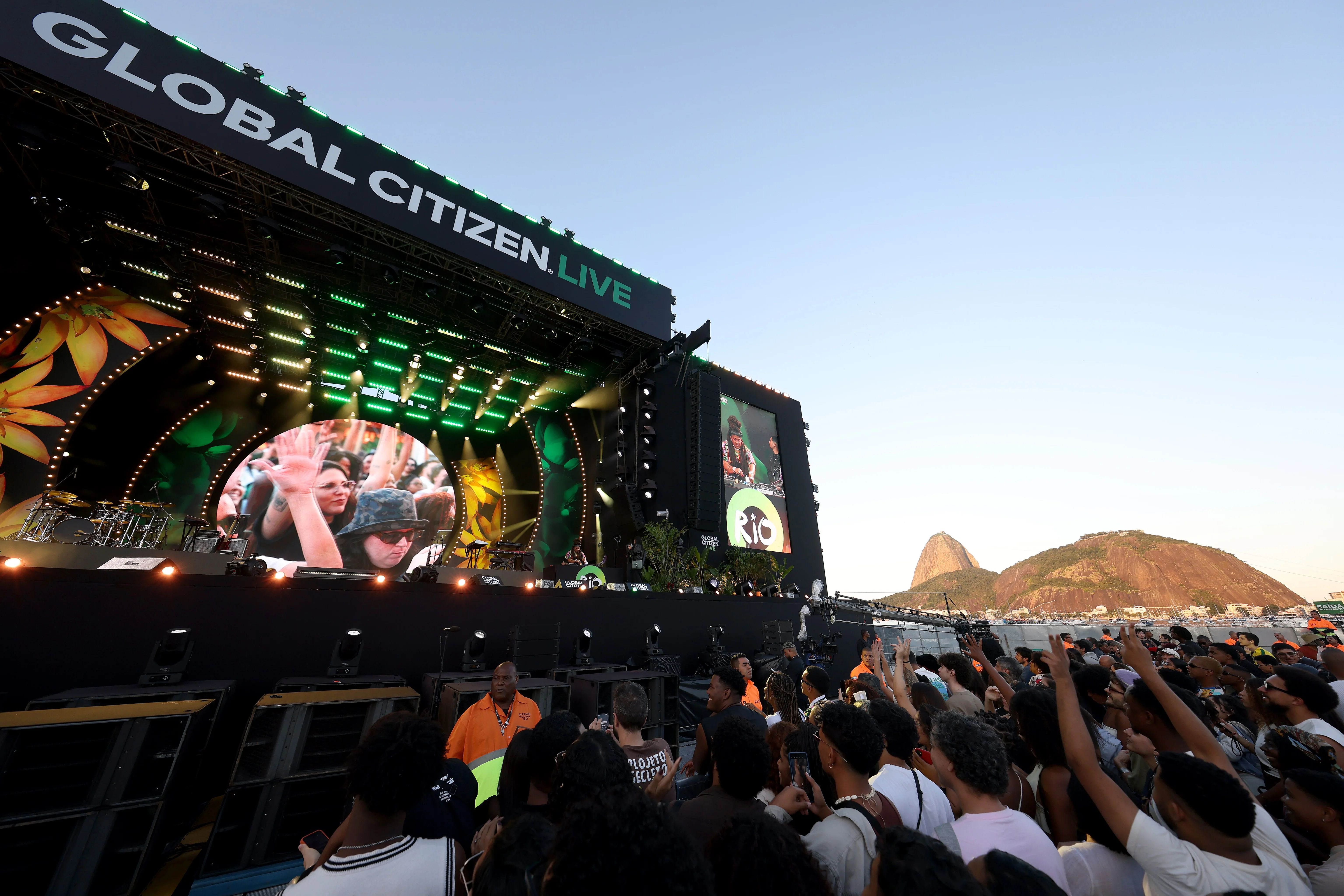 Leaders, advocates, entrepreneurs, and changemakers gather at Casa Firjan for Global Citizen NOW: Rio de Janeiro, part of the inaugural Rio Nature & Climate Week. | Wagner Meier/Getty Images for Global Citizen
Throughout 2026, this momentum will continue to build. Next up, we’ll head to Japan for Global Citizen Live: Tokyo, the organization's first-ever music event in the country. Taking place on June 18 at the Tokyo International Forum, the event will feature performances by YOSHIKI, &TEAM, Ai, and Yuki Chiba, with proceeds from ticket sales supporting the FIFA Global Citizen Education Fund. Actions connected to the event will also aim to help drive progress on global health priorities, including maternal and child health, expand access to essential services and improve outcomes for some of the world's most vulnerable communities.
Next month, all eyes will turn to the historic, first-ever FIFA World Cup 2026™ Final Halftime Show on July 19 organized by Global Citizen on July 19, which will feature Madonna, Shakira, and BTS as co-headliners. The event will serve as the culminating moment for the FIFA Global Citizen Education Fund's campaign to raise a total $100 million to support children’s education and play worldwide.
The work ahead remains urgent. Rio celebrated the power of what’s possible when political will and citizen action move together in the same direction. But it also served as an invitation to keep aiming higher. Real prosperity mandates we lift everyone up so that all communities can grow with dignity and in harmony with nature. The future of the Amazon, our climate, and our communities depends on citizens around the world not only watching history happen, but raising our voices to shape it.