
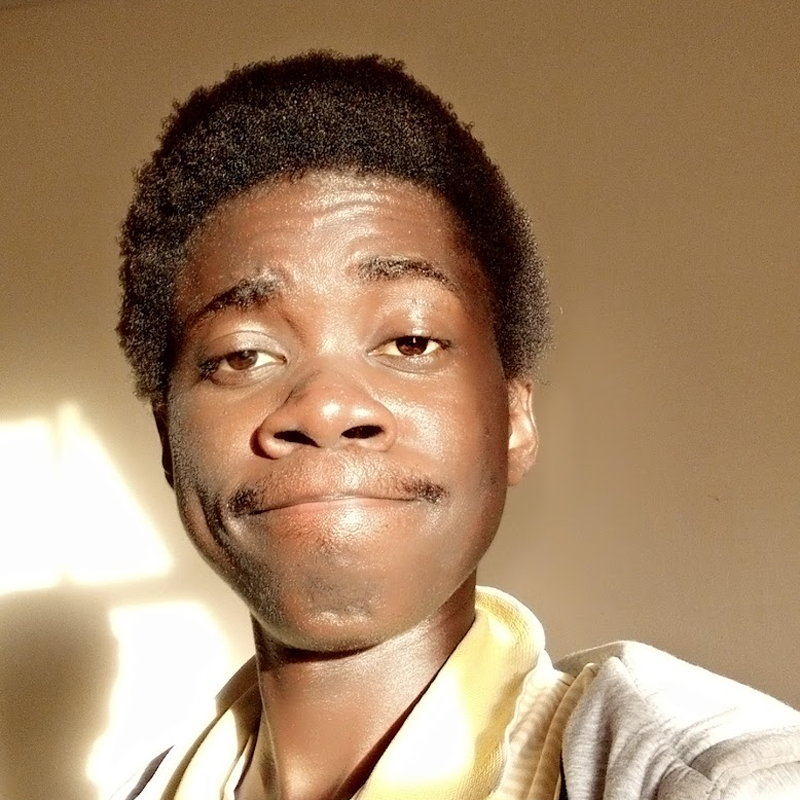
“As an artist I hope to spark generational pride in African art and artists. I hope to turn art into a medium of activism and to inspire those who choose this path to critically look at the African continent and find a cause worth fighting for.”
- Emmanuel Wandera
Kenya-based visual artist Emmanuel Wandera (26) is a Pan-Africanist who has a pure love for the African continent, its people, and its cultures. ”I've been making art since I was 5 years old. For me, art is a silent but powerful way of communication. It is mysterious and draws attention and curiosity. That’s why using art as a form of activism is the best way to draw an audience so I can communicate my message.”
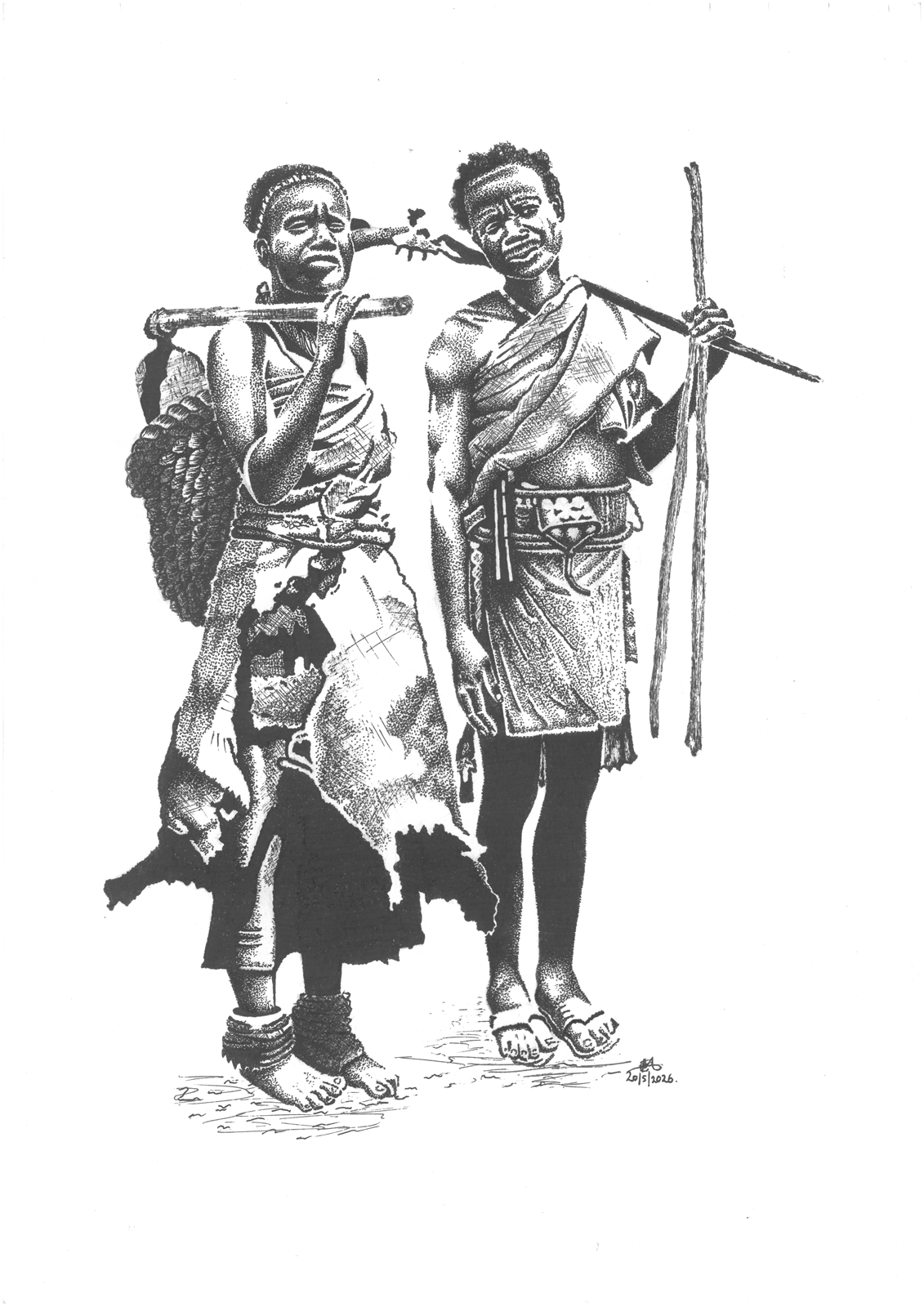
A key feature of Wandera’s art is the use of ink stippling or Pointillism. “Ink stippling is an art technique that utilizes tiny distinct dots to create form,” he explains. “I choose to use this technique because it's unique and rare, not many artists use it. It really shows how precise and skilled the artist is, and makes my art stand out and look beautiful.”
Wandera’s art focuses on African Indigenous peoples, their knowledge, culture, land, way of life, and daily practices in the face of a rapidly modernizing and globalizing world. Indigenous knowledge must be acknowledged as its own science as it holds valuable insights into ecology, medicine, and sustainability. Respecting Indigenous rights can ensure ethical, collaborative science that benefits everyone.
On the state of civic space in Kenya, Wandera says the word “contested” best describes the active citizen engagement, which raises concerns about liberal artistic creation in the country. . “As an artist or activist operating in this contested environment there's a need for one to be careful about what they say or what art you put out. A good example is a case where a cartoonist allegedly drew a silhouette of an influential figure in government, and the cartoonist got himself in trouble. Yes there's room to freely express myself, as long as I don't venture into certain areas that might cause trouble — such as being too political. Is this still considered free expression? Maybe. Maybe not. I personally have not experienced intimidation or violence. It’s okay to tread carefully sometimes.“
For his Emerging Creatives Program spotlight Wandera created a piece called “Ngiyolima” which means “I am going to farm” in his native language, Samia. Wandera explains that the phrase is an expression of the daily or seasonal life of the Indigenous African communities living in rural farming areas. The image is a depiction of two Indigenous people dressed in their traditional clothing carrying some farming tools.
“It speaks of a way of life that is sustainable, healthy, and rich in knowledge. I chose this piece because, as a small scale young farmer, I feel like this way of life is underappreciated. We eat food and we don't know how it's grown,” he says.
He continues: “Most of the time agro-chemicals and environmental damage dominate our food systems. If we could learn and influence the masses on how our rural Indigenous communities sustain themselves through farming and their organic clean ways of growing food, we would live a more healthy and sustainable way of life that is environmentally conscious.”
Wandera has big dreams for his art and its impact. “As an artist I hope to spark generational pride in African art and artists. I hope to turn art into a medium of activism and to inspire those who choose this path to critically look at the African continent and find a cause worth fighting for. As an innovator, technology enthusiast, and activist, my work aims to fuse Indigenous science and immersive technology [to empower] the Global South through technology access, robotics, and a renewed interest in organic farming systems. It's a dream of creating meaningful and sustainable tech jobs rooted in local knowledge and Indigenous development for our Indigenous people.”
EMMANUEL'S
WORK
Global Citizen’s Emerging Creatives Program provides a platform for emerging creatives in the Global South that are highlighting the need for open civic space worldwide. Through their art, they call for change, shine a light on social injustices, and advocate for the advancement of the Global Goals.
MEET THE MENTOR
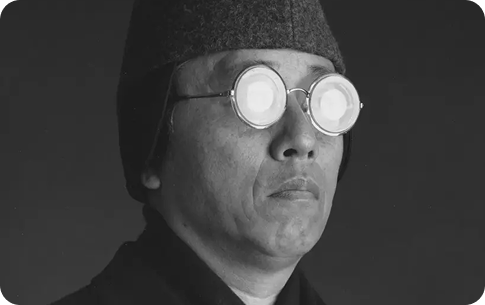
Rakaya Esime Fetuga
POET
South African-born Simphiwe Molefe, uses his photography to show the impacts of energy issues in the country. His collection of images titled, Impilo Iyaqhubeka, translates to mean “life goes on” in isiZulu and looks at how every day members of his community cope with South Africa’s ongoing power crisis.
In 2023, South Africa’s civic space rating was downgraded from “narrowed,” to “obstructed” — the third worst rating a country can have. That’s why Molefe believes creatives like himself have a role to play in highlighting the effects of the failure of basic services such as the power crisis in South Africa.