
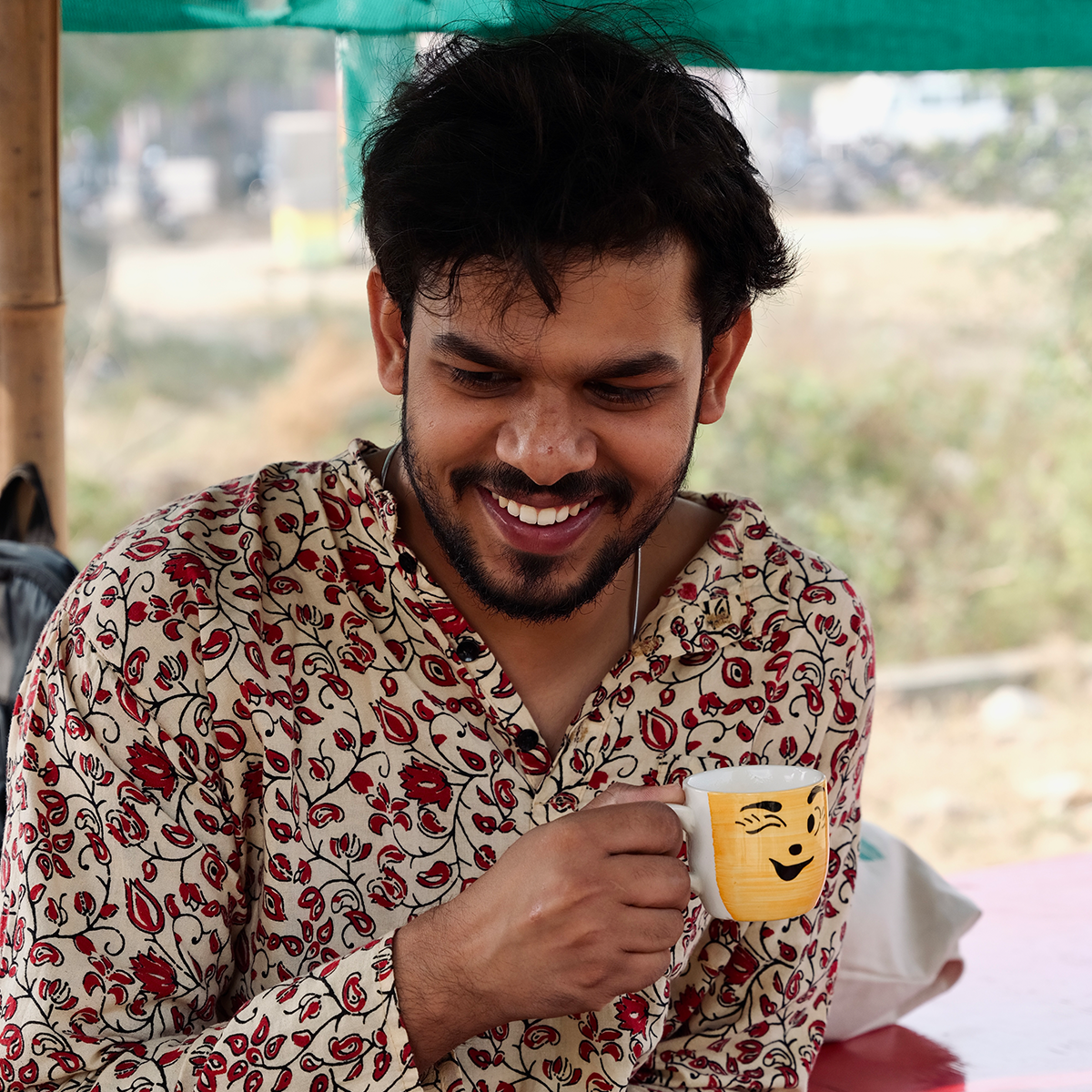
“If someone reads a poem or watches something I create and begins to question one habit, one mindset, or one belief, that is enough.”
- Abhinandan Gopal
“I’ve been creative for as long as I can remember. Even as a child, stories, poems, and small everyday scenes stayed with me,” says Delhi-based poet Abhinandan Gopal. As he grew older, he became more interested in art as a whole. “I realised that the simplest things around us often contain the strongest emotions. I began writing about moments from daily life: something someone said, the way a place felt, or a scene that stayed in my mind.”
Gopal’s work explores climate change, gender equality, and social inequality — issues he saw shaping life around him. He gradually began to understand how these observations connected to larger societal problems. “My involvement in social workshops and initiatives opened my eyes even more. I started noticing inequalities, environmental changes, and the things people usually walk past without thinking. All of this made me feel a mix of discomfort and responsibility.”
Despite this awareness, Gopal says he never set out to be an activist. “I wasn’t trying to be an activist. I was just trying to make sense of what I was seeing. Over time, I realised my art could hold truth, emotion, and a quiet kind of resistance. It became a way to speak about things that matter, to ask questions, and to imagine a better world. My creativity became my way of responding and participating in change.”
Gopal says his work is also shaped by a repressed civic space. “There are moments when I feel uncertain — when I wonder if a poem or a line might be misunderstood. That hesitation is always in the background.”
He adds: “I wouldn’t say I’ve faced violence, but I have felt intimidated in subtle ways: comments, questions, or reactions that make me second-guess myself. There are days when I’m unsure how much freedom I truly have to speak about certain topics. It’s also disheartening to see big organisations talk about change while little shifts on the ground. It creates doubt — what is the point of speaking if systems stay the same? But alongside this, I’ve seen countless small acts of resistance and kindness. People who keep doing the work quietly. They remind me that activism isn’t always loud or dramatic; sometimes it’s simply the courage to keep creating and telling the truth with whatever space we have.”
Gopal hopes his art helps people notice the small, everyday things that connect to bigger issues. “Every major issue — climate change, inequality, injustice — begins in everyday actions and habits. The way we treat our surroundings, the way we speak to others, the things we normalise or ignore all shape the world we live in. I want my work to make people pause and reflect. If someone reads a poem or watches something I create and begins to question one habit, one mindset, that’s enough. Change often starts with small awareness.”
For the Emerging Creatives Programme, Gopal has written a new poem. He explains: “It’s a heartbreaking observation on the unequal fates of gender and nature. Returning from college, the narrator finds his beloved river dying and black, mirroring the life of a little girl he once watched playing by the bank. She once wore a bright yellow frock, joyfully playing ‘house’ with stones and sand — a game that, in hindsight, was a cruel rehearsal for her future. While the boys grew into shop owners and the narrator gained an education, she was ‘discarded’ like an old toy into marriage and domestic labour.”
“In this parallel decline,” he continues, “the poem exposes how environmental loss and patriarchal norms feed each other. The dying river erases futures, and the girl’s stolen agency reflects the same slow violence. It shows how, for her, childhood was not a beginning but a cage.”
A Walk By The River
कॉलेज से दो साल बाद अपने घर लौटा था।
मैंने साइकिल उठाई और सीधा चल दिया
उसी पुरानी आदत के पीछे- नदी किनारे।
पता नहीं
शहर मुझे याद करता है या नहीं,
पता नहीं
नदी मुझे याद करती है या नहीं,
पर नदी मुझे बहुत याद आती है।
घाट पर पहुँचा तो लगा सब बदल गया है।
जहाँ सन्नाटा होता था, वहाँ अब एक साइकिल की दुकान थी,
बगल में एक कमरे का कच्चा मकान था।
बाहर मिट्टी का एक चूल्हा, और उस पर झुकी हुई, लाल दुपट्टे में लिपटी एक लड़की।
चेहरा घूँघट में था, पर हाथ जल्दी-जल्दी चल रहे थे, सब्जियाँ धोने की आवाज़ आ रही थी।
छोटी-सी क़द और लम्बी-सी घूँघट,
मुझे पता नहीं वो कैसे सब्ज़ियाँ देखती होगी।
खैर, मैंने नदी किनारे टहलना शुरू किया।
दो साल पहले की सुबहें याद आ गईं,
जब मैं हर रोज़
यही किनारा नापा करता था।
वहाँ कुछ बच्चे मिला करते थे:
दो लड़के, लाल और काली पैंट पहने हुए,
और एक प्यारी-सी पीली फ़्रॉक वाली बच्ची।
मैं देखता था कि क्या खेल रहे हैं वो।
वो आपस में कुछ कर रहे होते थे।
जब कुछ देर ठहर के मैं देखता,
तो समझ आता था क्या खेल है ये।
पीली फ्रॉक में वो बच्ची।
वो बैठ के एक जगह लकड़ियाँ बीन के रख रही होती थी।
वो नीचे धूल में मुँह से फूँक मारती थी,
और उन लकड़ियों के ऊपर पत्ते होते थे, पता नहीं वो उन पत्तों में क्या देखती थी।
फिर मैंने देखा उन लड़कों को, वो कहीं दूर जाते थे,
दूर से वो लेकर आते थे पत्थर, गिट्टियाँ और बालू,
वो लाकर ढेर लगा देते उस बच्ची के सामने।
वो उन्हें उठाती थी, अलग-अलग पत्तों में थोड़ा-थोड़ा रखती थी।
फिर वापस से वो उन पत्तों को रखती थी लकड़ियों के ऊपर।
और बीच में हल्का-सा पानी डाला, एक अंजुली भर।
फिर उसपर हल्की-सी धूल छिटक दिया।
एक दिन मैंने पूछा उससे कि क्या कर रही है वो?
वो बस हँस दी, और कुछ भी नहीं बोली।
तभी वो लाल शर्ट वाले लड़के ने बोला
“वो नमक डाल रही है।”
मैं जब भी नदी किनारे जाता था,
नदी को देखता था, और फिर उन्हें देखता था।
वो हमेशा वही कर रहे होते थे।
आख़िर में वो नये पत्ते लाकर उन लड़कों के आगे रखती थी,
जिसमें वो लकड़ी के पत्तों पर से निकाल कर धूल, बालू और गिट्टी
उनके सामने वाले पत्तों में रख देती थी।
फिर वो ऐसे खुश होकर उछलती थी
जैसे
मैं अपना स्कूल का होमवर्क पूरा करने के बाद उछलता था।
उसे देखकर
मुझे वो पीली वाली बत्तख याद आती थी।
मेरी छोटी बहन को
वो पीली बत्तख बहुत पसंद थी।
बचपन में बड़ी ज़िद करके
उसने दशहरे के मेले से खरीदी थी।
और तब से 7–8 साल हो गए थे,
वो खिलौना गंदा हो गया था।
तो घर के एक कोने में पड़ा रहता था।
चुपचाप, शांत,
एक कोने में पड़ी हुई प्लास्टिक की हँसी।
पर वो
पीली फ़्रॉक वाली लड़की
बहुत खुश हो जाती थी।
मुझे पता नहीं बालू, गिट्टी, धूल, पत्ते
और लकड़ियों के इस खेल में
उसे क्या इतना अच्छा लगता था।
और जब वो लड़के उठ जाते थे
तो आख़िर में
वो उन सारी चीज़ों कोउठाकर
एक जगह रख देती थी, अच्छे से संभालकर।
मैं घूमकर वापस घर चला आता था।
मैं कभी-कभी सोचता था काश मेरा घर
नदी किनारे होता
तो मैं आराम से
नदी किनारे सो पाता, खा पाता।
मुझे याद है उसके कुछ ही महीनों बाद
मैं बहुत दूर आ गया।
एक दूर के शहर में कॉलेज के लिए।
यहाँ नदी नहीं थी।
नदी की याद आती थी।
इसलिए आज जब मैं दो साल बाद वापस घर लौटा,
तो बेचैन होकर नदी के पास गया था।
अपनी साइकिल छोड़कर,
चलते-चलते
मैं उसी पुराने घाट पर पहुंचा।
उस घाट पर नदी सूख गयी थी।
नाले का पानी था बस।
नदी बस थोड़ी-सी बची थी,
पर उसका रंग बदल गया था,
पता नहीं पहले उसका रंग क्या था
पर अभी तो जो नदी बची थी वो बस काली थी। पूरी काली।
पहले जिस नदी में मैं डूब सकता था, वो अब मेरे घुटनों से भी नीचे दिखती है।
मैंने एक बहुत लम्बी सैर की।
बहुत देर तक बैठा रहा।
और सोच रहा था
अगर नदी को यहाँ से जाना ही था, कॉलेज क्यूँ नहीं गयी?
मेरे कॉलेज, मेरे हॉस्टल के एकेडमिक बिल्डिंग के आगे,
ताकि मैं कभी चाहता तो नदी को देख लेता,
ताकि मैं कभी अगर क्लासरूम में बैठे-बैठे परेशान होता
तो नदी के किनारे बैठ जाता।
ख़ैर,
घाट बहुत बदल गया था।
अब एक पुल बन रहा था
नदी के ऊपर।
मैंने सोचा,
जब तक ये पुल बनेगा
तब तक नदी मर चुकी होगी
और शायद लोग सोचेंगे
कि यहाँ रास्ता क्यों नहीं बनाया,
पुल बनाने की क्या ज़रूरत थी।
कुछ नये छोटे-छोटे दुकान खुल गये थे, जहाँ चाय और मैगी बिकती है।
मैं जब उस दुकान पर बैठा,
तो मैंने देखा ये वही दो लड़के थे
जिनको मैं बचपन में खेलते हुए देखता था।
इनकी हाइट अब उतनी हो गयी थी जितनी मेरी थी जब मैं दसवीं में था।
मैंने चाय पी सुकून से।
आँखें बंद कीं और याद किया अगर नदी पहले की तरह होती तो कितना अच्छा लगता।
मुझे वो पीली फ्रॉक वाली लड़की याद आयी।
मैंने उनसे पूछा कि वो कहाँ गयी?
वो पीली बत्तख़ जैसी दिखने वाली लड़की जो उनके साथ खेला करती थी।
वो मुस्कुरा के बोले, वो अब इधर नहीं रहती। वो चली गयी।
“कहाँ? किधर चली गयी?”
"यहीं पास में तो है, वो 5 किलोमीटर दूर, दिघा घाट पर।
वो जो साइकिल वाली दुकान है न, उसी के बगल में।"
I returned home after two years of college.
I picked up my bicycle and went straight
following the same old habit - toward the riverbank.
I don’t know
whether the town remembers me or not,
I don’t know
whether the river remembers me or not,
but I miss the river a lot.
When I reached the ghat(river bank), it felt like everything had changed.
Where there used to be silence, there was now a cycle shop.
Beside it stood a small mud house.
Outside, on a clay stove, a girl was bending forward, wrapped in a red veil.
Her face was covered, but her hands were moving fast; I could hear vegetables being washed.
A small height and a long veil
I don’t know how she even saw the vegetables.
I started walking along the river.
The mornings from two years ago came back to me
when every day
I used to walk this same stretch.
There used to be some children:
two boys, wearing red and black pants,
and a sweet little girl in a yellow frock.
I used to watch what they were playing.
They would be doing something together.
When I stood there for a while,
I understood what their game was.
The girl in the yellow frock
she would sit and collect twigs in one place.
She would blow softly into the dust on the ground,
and there were leaves on top of those twigs; I don’t know what she saw in those leaves.
Then I saw the boys they would go somewhere far,
and from there bring stones, gravel, and sand.
They would pile it in front of the girl.
She would pick it up and place a little in different leaves.
Then she would put those leaves back on top of the twigs.
And in the middle she poured a little water, just a handful.
Then she sprinkled a bit of dust on it.
One day I asked her what she was doing.
She just smiled and didn’t say anything.
Then the boy in the red shirt said,
“She is adding salt.”
Whenever I went to the riverbank,
I looked at the river, and then at them.
They were always doing the same thing.
In the end, she brought new leaves and placed them in front of the boys,
and from the leaves on the twigs she transferred the dust, sand, and gravel
into the leaves kept in front of the boys.
Then she jumped with happiness
the way
I used to jump after finishing my school homework.
Seeing her,
I remembered that yellow duck.
My little sister
She loved that yellow duck a lot.
In childhood she had insisted
and bought it from the Dussehra fair.
And since then 7–8 years had passed
the toy had become dirty.
So it remained in a corner of the house.
Quiet, still,
a plastic smile lying in a corner.
But that
girl in the yellow frock
used to become very happy.
I don’t know what she found so good
in this game of sand, gravel, dust, leaves,
and twigs.
And when the boys left,
in the end
she would pick up all those things
and keep them together carefully.
I would turn around and walk back home.
Sometimes I wished my house
was near the river,
so I could comfortably
sleep and eat by the river.
I remember that a few months after that
I went far away.
To a distant city for college.
There was no river there.
I missed the river.
So today, when I came home after two years,
I went anxiously toward the river.
Leaving my bicycle,
walking slowly,
I reached the same old ghat.
At that ghat the river had dried up.
It was only drain water now.
The river barely remained,
and its colour had changed
I don’t know what its colour used to be,
but the river that was left now was black. Completely black.
The river in which I could once drown
now didn’t even reach my knees.
I took a very long walk.
Sat for a long time.
And wondered
If the river had to leave here, why didn’t it go to college?
In front of my hostel’s academic building,
so that if I ever wanted, I could look at the river,
so that whenever I felt restless sitting in the classroom,
I could sit by the riverbank.
The ghat had changed a lot.
Now a bridge was being built
over the river.
I thought,
by the time this bridge is finished,
the river will be dead,
and people might think
why didn’t they just make a road here,
What was the need for a bridge?
Some new small shops had opened where tea and Maggi were sold.
When I sat at one of those shops,
I saw that these were the same two boys
I used to see them playing in childhood.
Their height was now what mine was
when I was in tenth grade.
I sipped my tea peacefully.
Closed my eyes and remembered how nice it would be
if the river was still the way it used to be.
I remembered the girl in the yellow frock.
I asked them where she had gone
the girl who looked like a yellow duck
and used to play with them.
They smiled and said she doesn’t live here anymore. She left.
“Where? Where did she go?”
“Just nearby, five kilometres away, at Digha Ghat.
That cycle shop over there, she lives right beside it.”

Global Citizen’s Emerging Creatives Program provides a platform for emerging creatives in the Global South that are highlighting the need for open civic space worldwide. Through their art, they call for change, shine a light on social injustices, and advocate for the advancement of the Global Goals.
MEET THE MENTOR
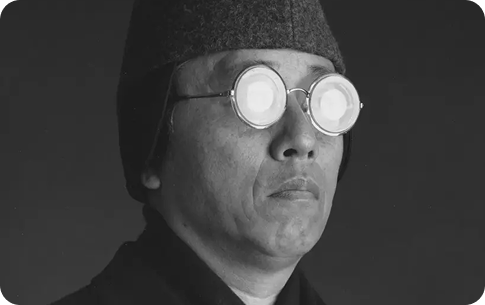
Rakaya Esime Fetuga
POET
South African-born Simphiwe Molefe, uses his photography to show the impacts of energy issues in the country. His collection of images titled, Impilo Iyaqhubeka, translates to mean “life goes on” in isiZulu and looks at how every day members of his community cope with South Africa’s ongoing power crisis.
In 2023, South Africa’s civic space rating was downgraded from “narrowed,” to “obstructed” — the third worst rating a country can have. That’s why Molefe believes creatives like himself have a role to play in highlighting the effects of the failure of basic services such as the power crisis in South Africa.