The bigger picture of agriculture is all about decision-making.
Who receives government support after a drought? How quickly can a new seed variety be approved? What happens when food is plenty in one country, but stuck at the border while prices rise in another? Which roads, irrigation systems, distributors, or storage facilities receive public investment? Are young farmers included when national or regional agricultural plans are drawn up, or only mentioned after the decisions have already been made?
These are questions of policy and state capability.
Policy is about the priorities and public choices that shape agriculture. State capability is about whether governments and public institutions have the resources and systems required to translate those choices into results — or can they create or acquire them to support necessary problem-solving? Combined, it’s about listening to supply, demand, and sustainability needs and working to find solutions.
This field needs economists and lawyers, but it also needs data analysts, political scientists, researchers, programme managers, communicators, budget specialists, and people who understand how communities experience government decisions in real life.
Why should I do it?
WHY DOES IT MATTER?
Who else in the food system would I work with?
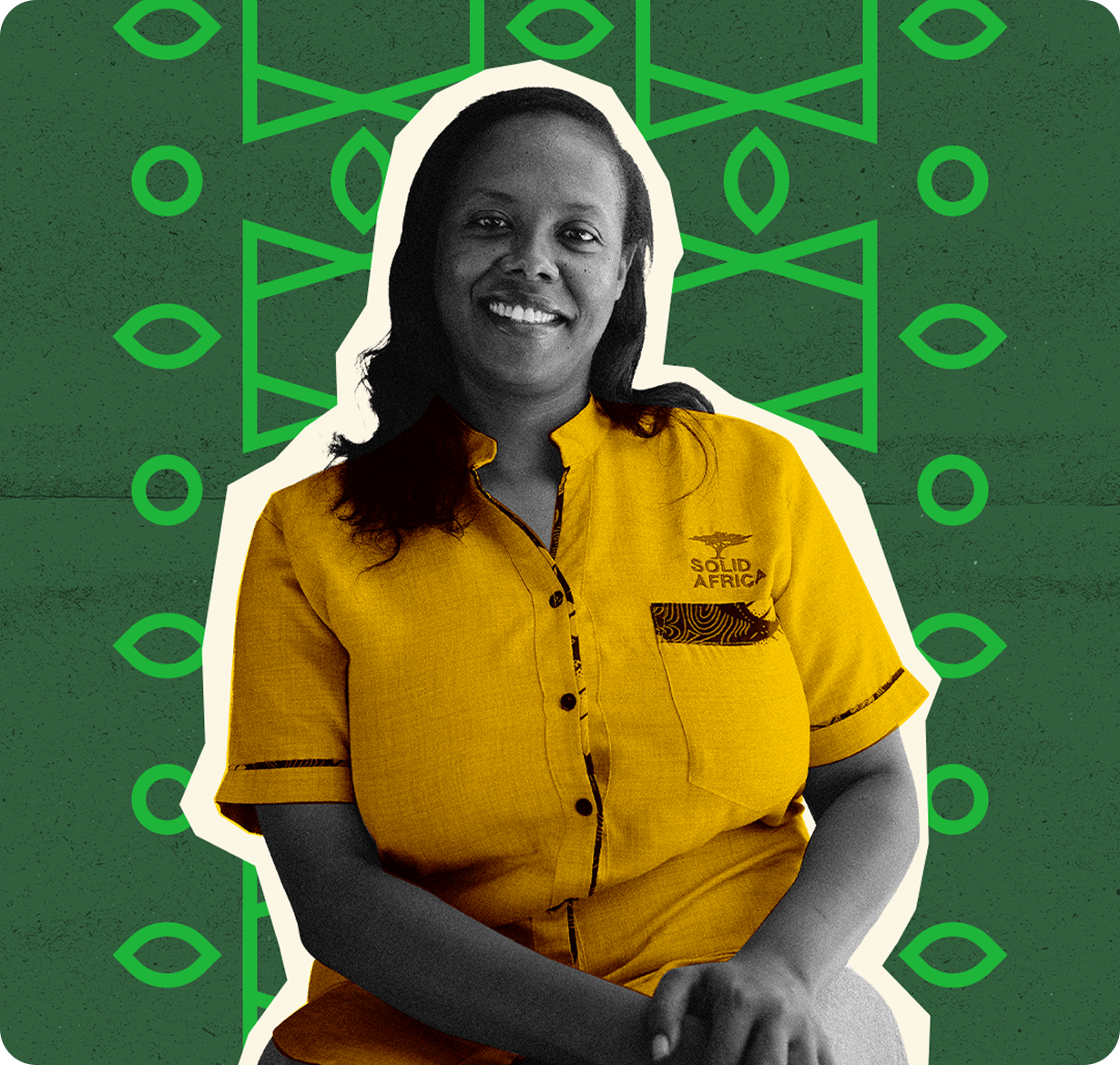
MEET ISABELLE KAMARIZA
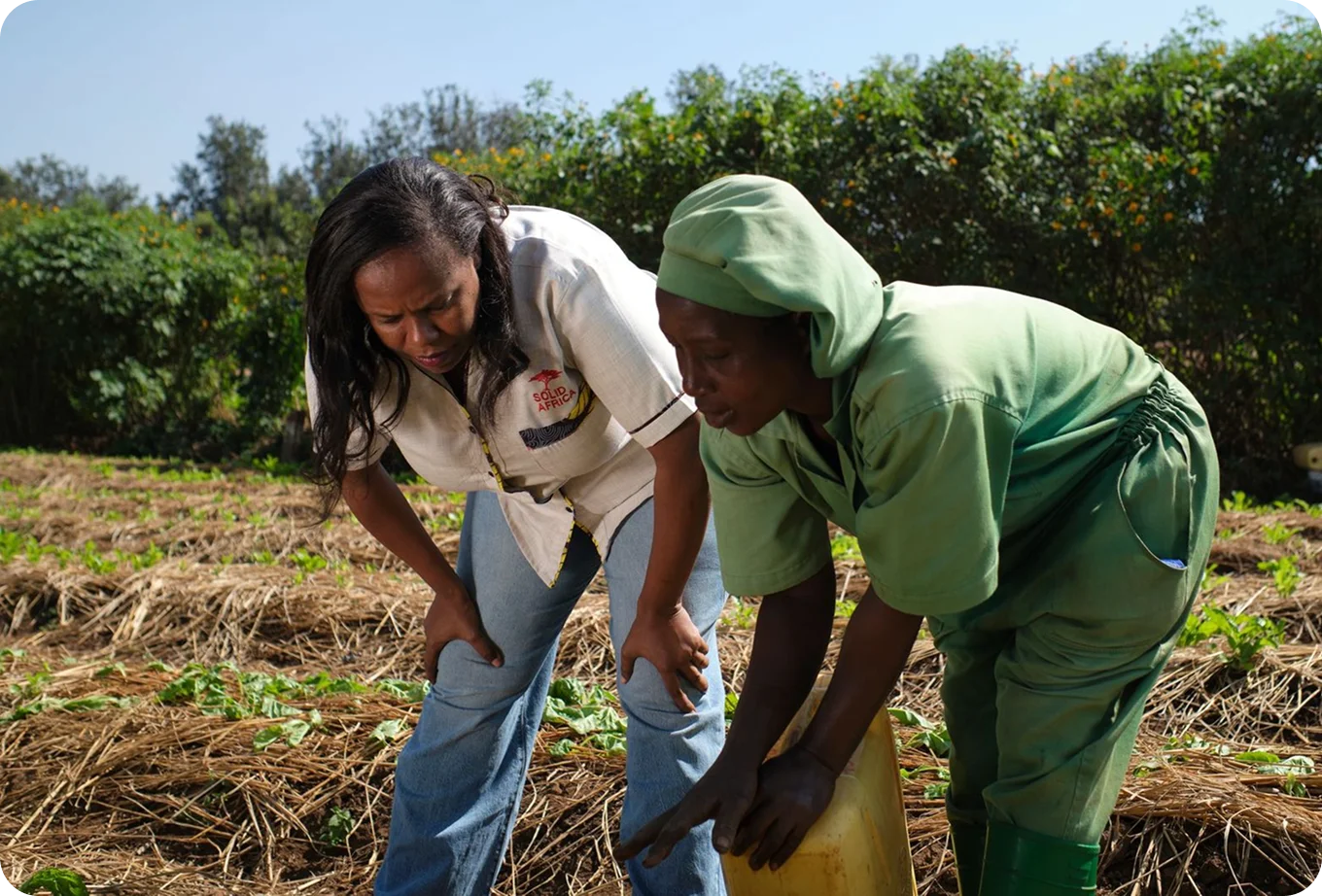
Isabelle Kamariza is the President and Founder of Solid’ Africa, a farm-to-fork initiative that ensures access to nutritious meals for public service recipients, such as those in public hospitals and schools. Through their work, Solid’ Africa is reimagining what public nutrition infrastructure can look like — alleviating food insecurity where it can hit hardest. From growing and harvesting produce, to cooking and delivering meals, the initiative can guarantee affordable nutrient-dense food for those who need it most. For more on Solid’ Africa, watch the video below.
What is YEFFA, and how can it get me started?
YEFFA stands for Youth Entrepreneurship for the Future of Food and Agriculture. The programme aims to reach 10 million young people and support at least 1.5 million of them to access agriculture work — that means you too, if you’re interested! It does this by addressing more than skills alone. Namely, YEFFA brings together training, enterprise support, market connections, access to finance, policy participation, and climate-smart agriculture.
Your starting point could be joining a youth policy dialogue, researching a barrier affecting young agripreneurs, learning how agricultural budgets are developed, or contributing evidence from your community to a national discussion. You could also become the person who explains a new policy to local communities, tracks whether public promises have been delivered, or helps a youth organisation make a stronger case to the government.