Imagine you’re a farmer standing beside crates of beautiful almost-ripe tomatoes. The harvest is good. The quality is high. But the nearest reliable buyer is several hours away, the road is poor, and there is no cold storage to keep your tomatoes fresh as they await purchase.
By tomorrow, those tomatoes may be worth less. In a few days, they may be worth nothing.
Growing food is not enough. Agriculture also needs people who can move produce, build markets where produce can be sold, finance businesses, negotiate deals, and connect producers with customers. That is the world of inclusive markets, trade, and finance.
Markets connect farmers and agribusinesses with buyers. Trade moves food and agricultural products between districts, countries, and regions. Finance provides the money and financial tools businesses need to buy equipment, pay workers, manage risk, and grow.
The word inclusive asks the most important question: who actually gets to participate? A young entrepreneur may have an excellent idea but no assets to offer a bank as collateral.
A woman trader may keep a regional food corridor moving while operating with little legal recognition or protection. A smallholder farmer may be only 20 kilometres from a major processor yet have no information about its prices or quality requirements.
This sector is about closing those gaps.
You could manage a warehouse, develop a mobile-payment product, operate refrigerated transport, analyse commodity prices, insure small farms, process cassava into flour, help businesses meet export standards or build a platform connecting restaurants with local producers.
Why should I do it?
WHY DOES IT MATTER?
Who else in the food system would I work with?
MEET Divine Irebe
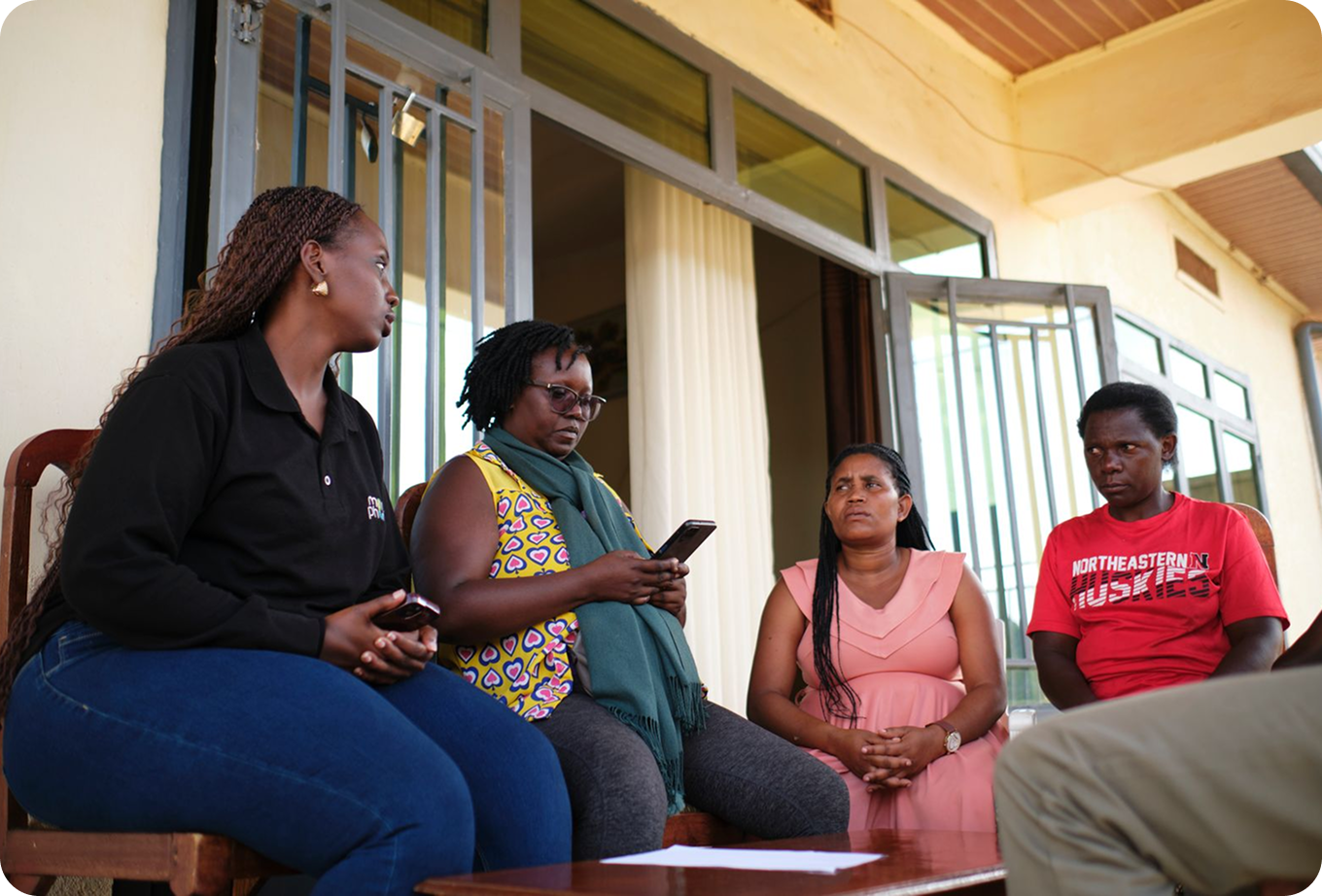
Divine Irebe is the founder of MoneyPhone Africa, a Rwandan-based financing initiative that provides smallholder farmers with instant access to financing. The non-deposit financial institution simply requires farmers to complete a short application process on their phones, after which they can instantly receive the funds they need for operations — alleviating common cash flow issues and allowing farmers to keep their businesses flowing. Everything happens on the phone, including loan repayments, making the process accessible and fair. For more on Money Phone, watch the video below.

MEET Sandra Ruhizi
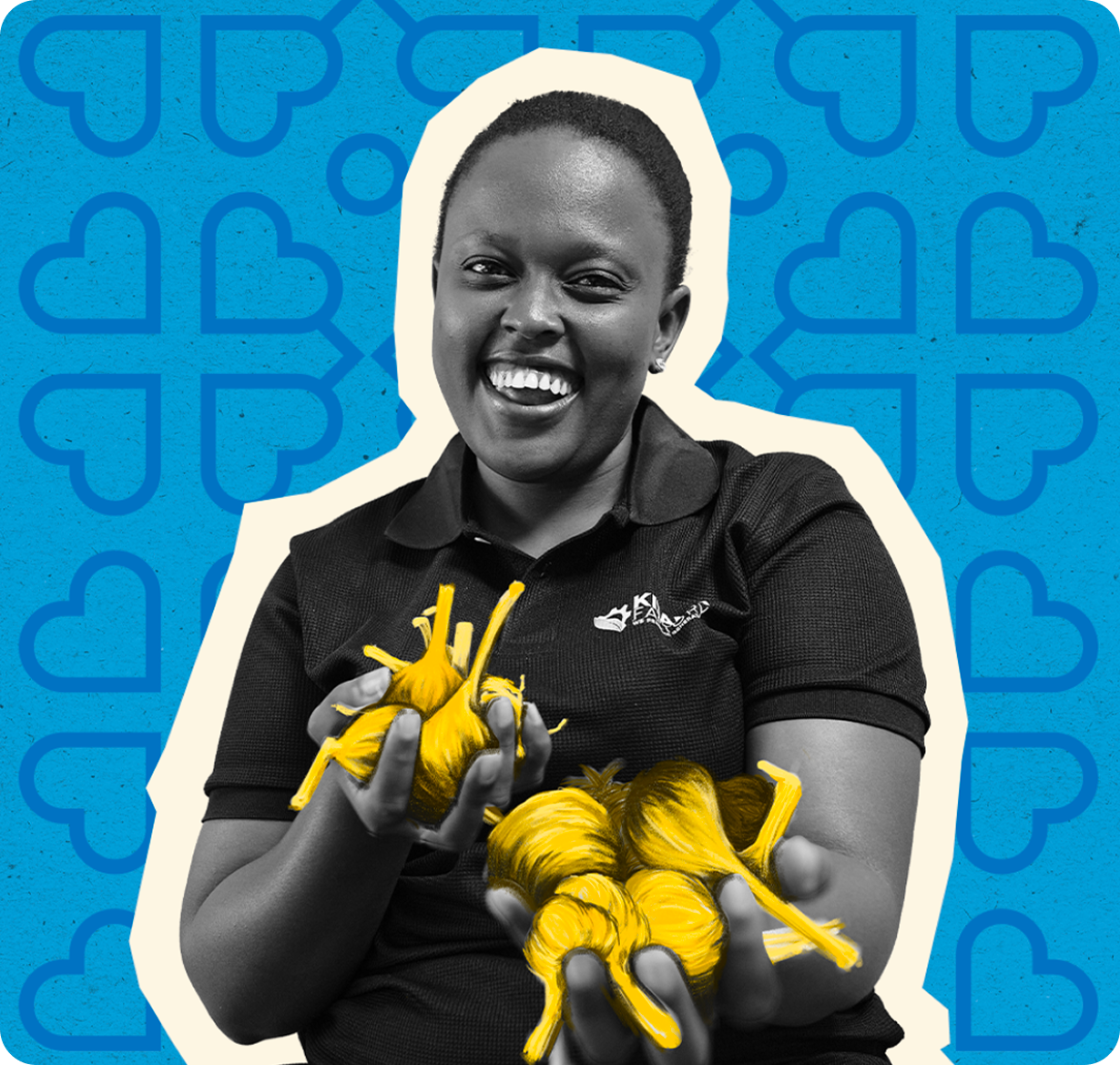
Based in Tanzania, Sandra Ruhizi is the founder of Kijana Factory which turns post-harvest loss into financial potential. Through the production and sale of herbs and spices, Kijana Factory is able to financially empower smallholder farmers, particularly women and young people, by turning their food waste into a source of sustainable income through processing and packaging. Ruhizi has created a circular system where farmers are trained to process their harvests and provide financial literacy to sustain their incomes. For more on Kijana Factory, watch the video below.
What is YEFFA, and how can it get me started?
YEFFA stands for Youth Entrepreneurship for the Future of Food and Agriculture. The programme aims to reach 10 million young people and support at least 1.5 million of them to access agriculture work — that means you, too, if you’re interested! It does this by addressing more than skills alone. Namely, YEFFA brings together training, enterprise support, market connections, access to finance, policy participation, and climate-smart agriculture.
What makes the programme relevant here is its focus on the whole environment around a young person rather than training in isolation. That could help you understand where opportunities sit within a value chain, strengthen your business skills, become ready to approach funders or connect with customers, mentors and partners.