
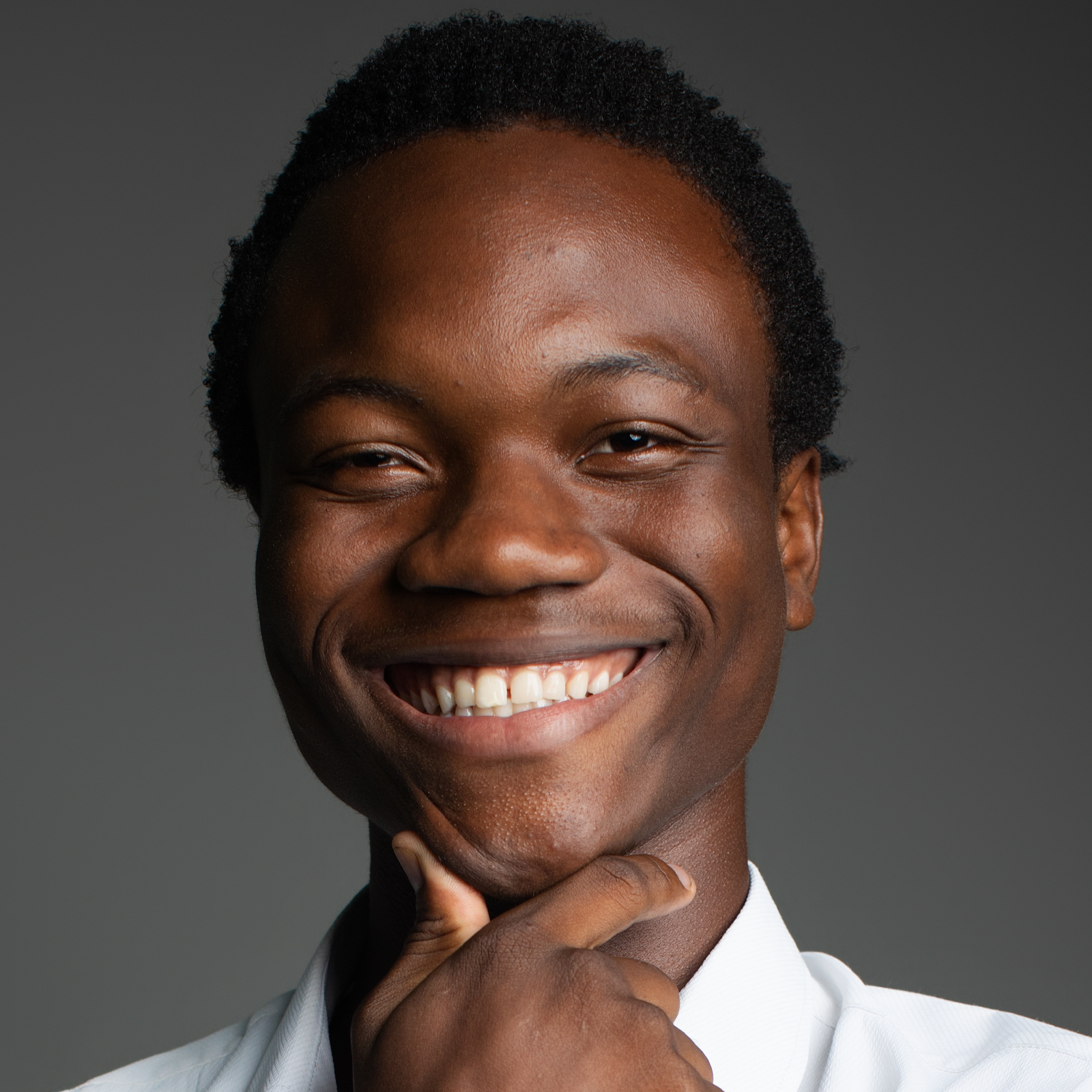
“I want to create stories and artistic spaces where climate change is no longer discussed only through fear, but also through imagination, dignity, culture, and hope.”
- Axel Toualy Tapé
Axel Toualy Tapé is a young climate activist, storyteller, and political science student from Grand-Bassam, Côte d’Ivoire. “I am deeply committed to making climate conversations more human, accessible, and emotional — especially for children and young people. My work sits at the intersection of environmental education, art, youth engagement, and storytelling,” he said.
Tapé’s work mainly addresses plastic pollution, coastal erosion, ocean and lagoon degradation, environmental injustice, and the emotional realities of climate change for children and youth.
Tapé’s upbringing, growing up in a coastal city that was directly affected by erosion and pollution, is what drove his interest in climate storytelling. “I see climate change, not as an abstract issue, but as something that impacts identity, culture, tourism, childhood, and everyday life,” he explained.
Tapé is also the founder of Kids Go Green Côte d’Ivoire —
a youth-led initiative he founded to make environmental education more accessible and engaging for children and young people. Through workshops, clean-up campaigns, creative activities, school interventions, and storytelling projects; they help children understand environmental challenges while empowering them to become active participants in climate action.
“Our work focuses especially on plastic pollution, ocean literacy, sustainability, and climate resilience in vulnerable communities,” he said. “We use creativity heavily in our approach because we believe children learn best when they can imagine, create, and express themselves freely.”
Though he’d always been connected to a sense of creativity, it is only over the past few years that he began intentionally using art and storytelling as tools for activism. Tapé realized that many communities, especially children, struggle to connect with institutional or scientific climate language — and that the approach on these critical topics matters.
“Art creates emotion, memory, and accessibility,” Tapé explained. “Through drawings, recycled art, storytelling, photography, and short films, I found a way to make environmental issues feel personal and relatable. For me, art is not separate from activism. It is a language that allows people to express fears, hopes, anger, and imagination. In communities affected by pollution or climate impacts, creative expression becomes a way to reclaim visibility and dignity.”
When it comes to the freedom to speak and create freely in society, Côte d’Ivoire has an obstructed civic space. Reflecting on this reality, Tapé noted: “I think there are still limitations around civic expression, especially for young activists who challenge systems or raise sensitive issues. While I have not experienced direct violence, there is often an unspoken pressure to remain ‘careful’ in how you communicate — particularly as a young person engaging in advocacy spaces.”
He continued: “Sometimes environmental activism is not taken seriously until it becomes politically inconvenient. There can also be discouragement, lack of institutional support, or attempts to minimize youth voices. However, I try to approach my work in a constructive and community-centered way. Art has also become a softer but powerful way to communicate difficult realities without confrontation.”
For the Emerging Creatives Programme, Tapé and Kids Go Green Côte d’Ivoire hosted “Children of the Lagoon” — an intergenerational and interactive creative workshop in the fishing town of Île Désirée. The workshop engaged the residents of the town on what they love about their island and how pollution and environmental degradation have affected their home. Tapé and the children then created drawings and artistic representations — using plastic pollution they’d collected — illustrating the beauty of their island, the pollution challenges they observe, and their vision of a cleaner and healthier environment.
“I hope my work helps young people — especially African children and youth — feel seen, heard, and capable of shaping environmental solutions. I want to create stories and artistic spaces where climate change is no longer discussed only through fear, but also through imagination, dignity, culture, and hope,” Tapé said.
“In the long term,” he added, “I would love to contribute to a stronger movement of African creative climate storytelling that documents our realities from our own perspective rather than through external narratives.”
Support Kids Go Green by emailing associationkidsgogreenci@gmail.com
AXEL'S WORK

Global Citizen’s Emerging Creatives Program provides a platform for emerging creatives in the Global South that are highlighting the need for open civic space worldwide. Through their art, they call for change, shine a light on social injustices, and advocate for the advancement of the Global Goals.
MEET THE MENTOR
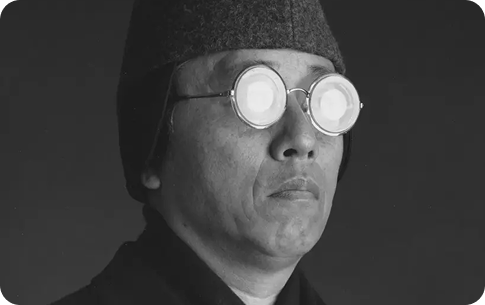
Rakaya Esime Fetuga
POET
South African-born Simphiwe Molefe, uses his photography to show the impacts of energy issues in the country. His collection of images titled, Impilo Iyaqhubeka, translates to mean “life goes on” in isiZulu and looks at how every day members of his community cope with South Africa’s ongoing power crisis.
In 2023, South Africa’s civic space rating was downgraded from “narrowed,” to “obstructed” — the third worst rating a country can have. That’s why Molefe believes creatives like himself have a role to play in highlighting the effects of the failure of basic services such as the power crisis in South Africa.