Millions of people around the world participate in the global workforce, often without realizing where the rights and protections that keep them safe and treated fairly at their workplace came from. Fair pay, safe working conditions, and the freedom to unionize are all essential workplace rights — many won through the work of the International Labour Organization (ILO).
For over a century, the ILO has worked to establish fundamental labour rights and protections globally and is committed to promoting fair work and social justice. Today, however, the organization’s mandate remains more vital than ever. Without most of us realizing it, the ILO has been behind the scenes impacting our everyday working lives.
For instance, the ILO was a key driver in promoting the 8-hour workday and the inclusion of rest days to work schedules, setting global standards for decent working time. It has worked to ensure women’s equal access to job opportunities and advocated for healthy and safe work conditions for all. The organization has also led global efforts to eliminate child labour and forced labour — including trafficking and debt bondage.
Despite the progress in labour rights, and even as global wealth increases, the world of work faces urgent challenges as the foundations of decent work worsen for many and inequalities persist. For instance, 138 million children globally are trapped in child labour with 54 million of these children participating in hazardous work and more than 2 billion people work within the informal economy, without contracts, rights at work and no social protection. These challenges highlight that more must be done to ensure the future of the global workforce is equitable and accessible for all.
The International Labour Organization: What You Should Know
The International Labour Organization is a specialized United Nations agency dedicated to ensuring that every person can work with freedom, fairness, security, and dignity.
The organization has also helped advance social justice within the global workforce through its unique tripartite model — uniting governments, employers, and workers around the same table to set labour standards, create policies, and develop programmes that make decent work a reality for employees globally. This ensures that the solutions ILO creates are grounded, durable, and backed by those who shape the world of work. The ILO has played a quiet, yet major role in advancing some of the most significant labour reforms of the past two decades, from helping eradicate forced labour in Uzbekistan to supporting the creation of the Accord on Fire and Building Safety in Bangladesh following the Rana Plaza tragedy. In both cases, the ILO’s supervisory system and technical expertise proved effective.
Now that we have a brief history on the important work the ILO does, here are 6 reasons why the world needs the ILO:
1. Provides Training and Financial Support for Entrepreneurs, Smallholder Farmers, and Small businesses
Through training and funding initiatives, the ILO aims to ensure that small businesses and entrepreneurs have the tools they need to succeed, and to create productive, yet fair, work environments. Recently, an estimated 2.8 million emerging and existing entrepreneurs benefited from the ILO Start and Improve Your Business (SIYB) entrepreneurship training programme, which offers a series of training packages focused on different stages of business development, from business creation to growth and expansion. This programme has also helped support 1.6 million people in low-income households, small-holder farms and micro and small enterprises to access financial services, allowing them to improve their entrepreneurship capacities and their overall enterprise performance.
2. Reduced Child Labour Globally
Children have the right to a childhood that prioritises education and social protection — they should not be subjected to the workplace or harsh working conditions. Since 2000 the ILO has played a crucial role in reducing child labour, helping to decrease the number of children exposed to labour from 246 million to 138 million in 2024. One key initiative introduced by the ILO, called Accelerating Action for the Elimination of Child Labour in supply chains in Africa project (ACCEL Africa), has successfully established systems to eliminate child labour in countries like Mali, Nigeria, Ghana, Malawi, and Côte d’Ivoire.
The ILO also colloborates with governments, employers’ and workers’ organizations, civil society, and international partners to develop and support policies and programmes that address the root causes of child labour by strengthening social protection, education systems, and decent work opportunities for adults and youth.

Meet Zakaria Adama Lacera, CEO of Yumzaa Enterprises in Ghana.
Zakaria Adama Lacera is the CEO of Yumzaa Enterprises, a shea processing and soap business in Ghana, which she is in the process of formalizing. Tamale, Ghana, 6 October 2023.
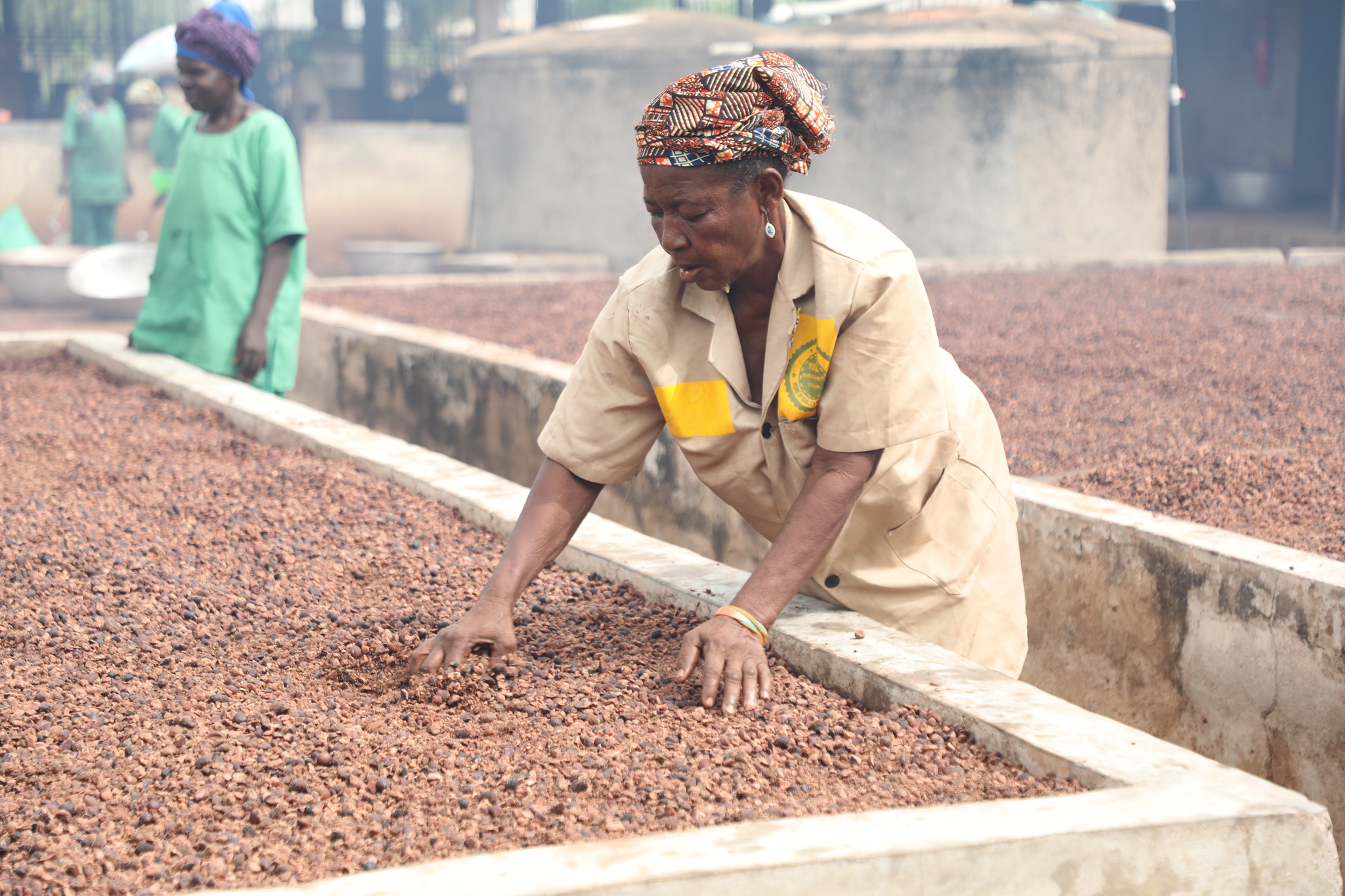
Zakaria Adama Lacera has been able to formalise her business through work with the ILO.
"What’s driving me is my desire to support less privileged women in my community," explains Ghanaian Shea Butter entrepreneur, Zakaria Adama Lacera. Through working with the ILO she's been able to scale up her business and support a community of women.
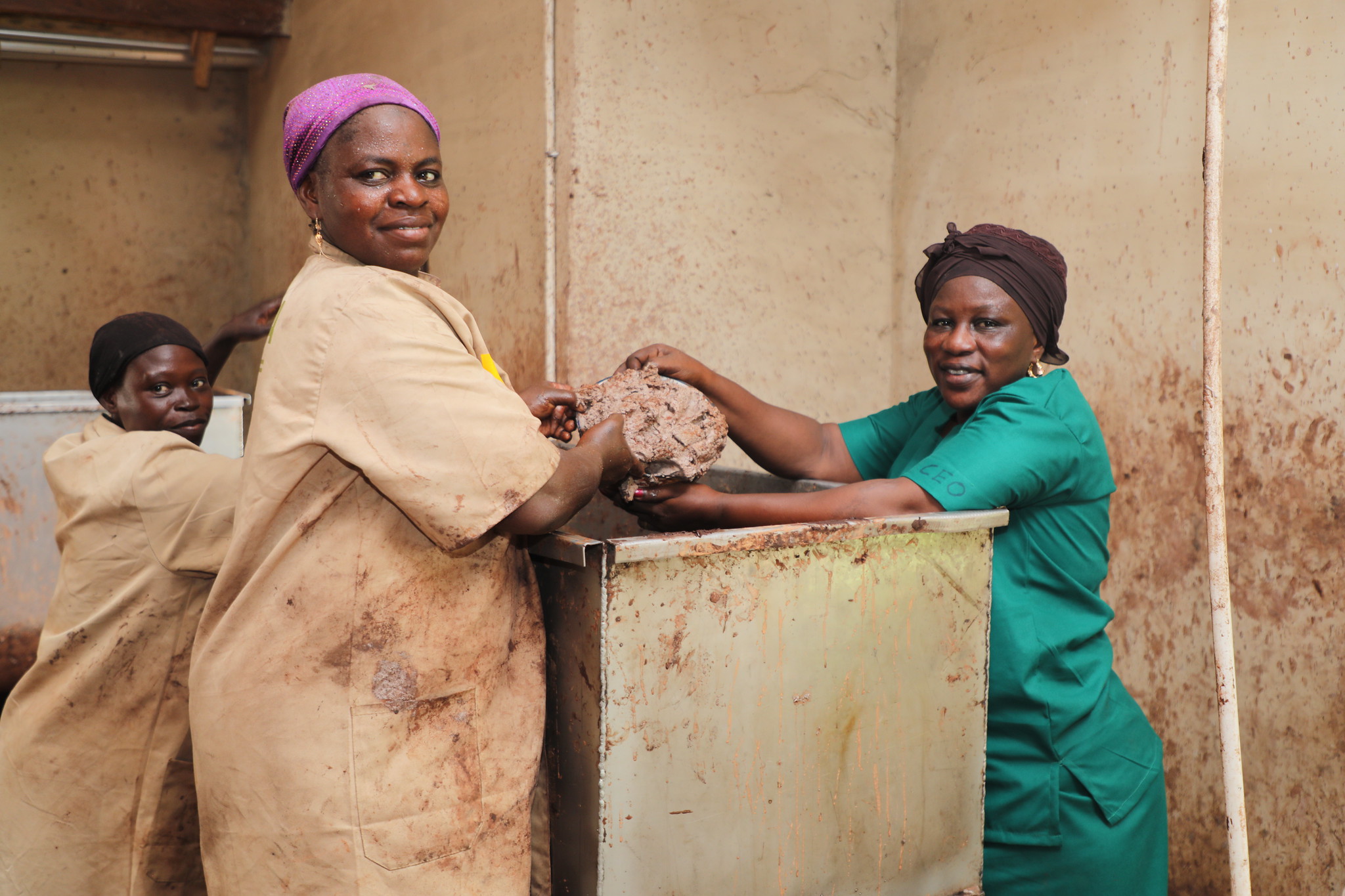
Through Yumzaa Enterprises, Lacera aims to uplift a community of women.
3. Supported Informal Workers Transition into Formal Employment
More than half of the global workforce is engaged in the informal economy, which is often linked to poor working conditions and a lack of employment rights. To address these challenges, in 2015, the ILO introduced Transition from the Informal to the Formal Economy Recommendation No.204. The recommendation serves as a roadmap for helping workers make the shift from the informal to the formal economy. It outlines 12 key principles focused on protecting workers’ rights, ensuring social protections and creating decent job opportunities for informal workers.
Across Asia, there has been a wealth of innovative approaches to tackle informality with the region, all while aligning with the ILO's Recommendation No. 204. These initiatives include increasing worker representation, enhancing productivity, promoting decent work through targeted sector programs, and improving the living and working conditions of the most vulnerable populations. Thanks to these efforts, the region has made notable strides with the rate of informality decreasing by 7% over the last two decades.
4. Keeping Our Work Environments Safe and Free From Exploitation
The ILO considers a safe work environment to be a fundamental human right, aligning with its core principles that improve worker protection globally. As the global body that sets and monitors international labour standards, the ILO provides the baseline rules for how the global economy should operate for working people. These standards help to prevent countries from gaining competitive advantage by violating core rights like safe workplaces or protection against forced labour and child labour.
5. Adapting to Technological and Demographic Changes
Technological advancements and demographic shifts are transforming the future of the global workforce. Generative artificial intelligence is becoming increasingly integrated into workplaces, while countries with growing populations are seeing more young people enter the labor market.
In response to these changes, the ILO’s Global Commission on the Future of Work report outlines the steps needed to achieve a future of work that provides decent and sustainable work opportunities for everyone. For instance, the key recommendations from the report include:
- Promoting lifelong learning and skills development to ensure workers are able to adapt to new roles.
- Guaranteed universal social protection from birth to old age.
- Increasing investments in institutions and policies to support future work transitions — including assistance for young people transitioning from school to work transition, while older workers should have more options to stay economically active.
- Adopting a “human-in-command" approach to AI , ensuring that the final decisions remain in human hands.
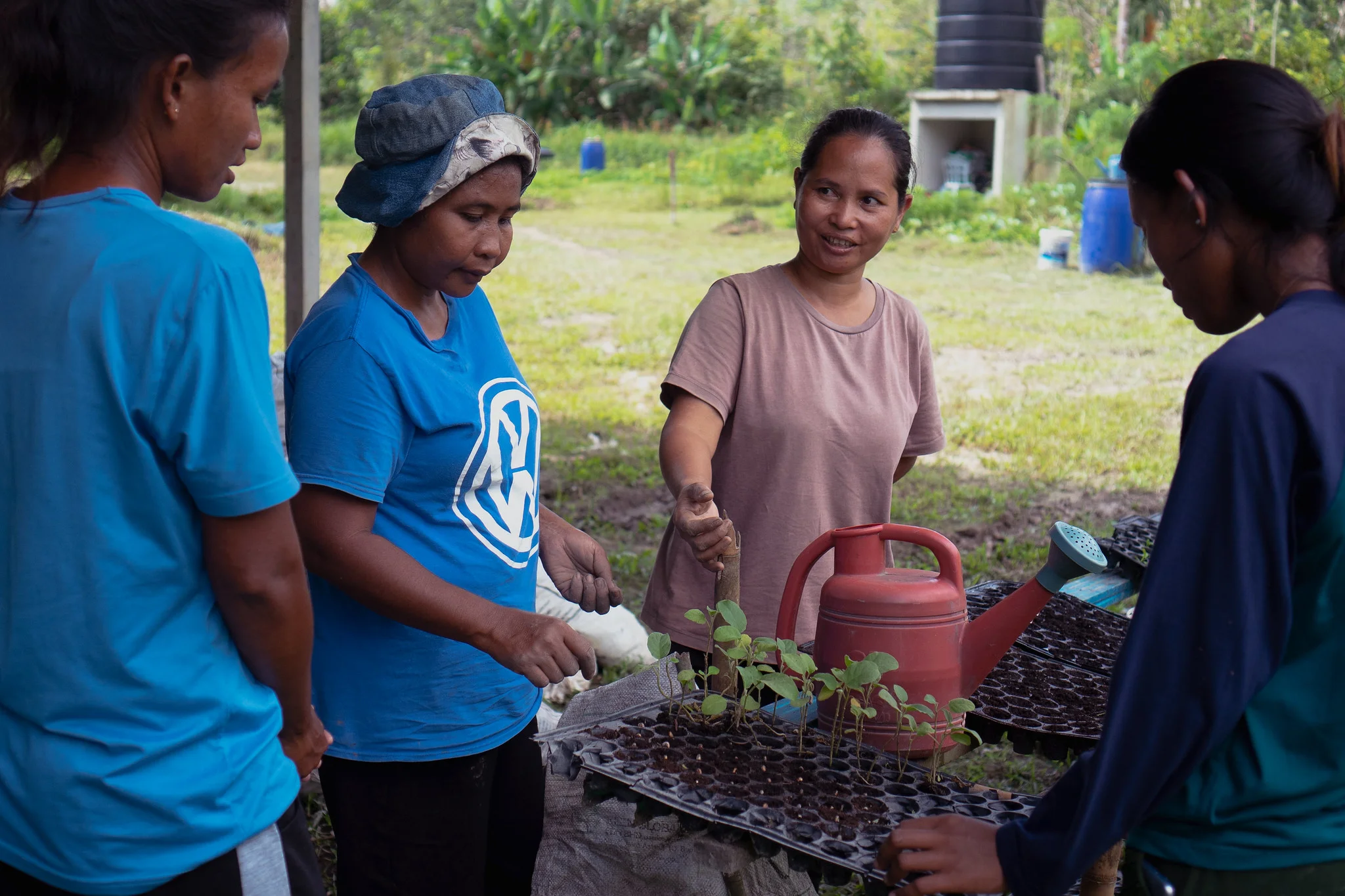 Maimun is an Orang Asli indigenous woman from Melai village in the state of Pahang in Malaysia. She is Chair of her village’s community organic farm, an agricultural initiative based on the social and solidarity economy, which balances economic, social and environmental objectives. Malaysia, 3 March 2023.
6. Improving Youth Employment
Despite recent improvements in global youth employment, 65 million young people worldwide remain unemployed. The ILO’s Youth-to-Youth Fund is a competitive grant program focused on supporting youth-led organizations through funding, capacity building, and direct technical assistance to implement creative, small-scale projects focused on youth entrepreneurship and creating job opportunities for young people.
The fund, in collaboration with the Edukans Foundation, has provided funding for 10 youth-led organizations in Ethiopia. These organizations were chosen through a competitive selection process to carry out innovative entrepreneurship programs aimed at fostering decent employment opportunities for young people.
These organizations received funding from the Youth-to-Youth Fund to implement innovative entrepreneurship projects that support over 1,000 young people to kick-start and grow their business.
The importance of having access to decent jobs can not be understated; it allows people to support themselves and their families, lets people live with dignity, and drives global economies forward. However, as we navigate a rapidly changing world, it becomes increasingly clear that not everyone enjoys these fundamental labour rights. The International Labour Organization plays a key role in advocating for social justice, labour rights, and decent work globally. Its unique approach, proven results, and commitment to a fair and equitable workforce make it an essential resource for the future of the global workforce.