Think about the phone in your pocket, the electric bus on your street, or the solar panels on your neighbor's roof. Every one of them depends on minerals from the ground and on energy to turn those minerals into something useful.
For more than two centuries, the world's factories ran on coal, oil, and gas. Now that's starting to change. A new wave of industry is taking shape, powered by the sun and wind, and it could decide where the next generation of jobs comes from.
It could also help reach the millions of people who still live without electricity, families who can't switch on a light at night or keep medicine cool.
Western Australia is right at the center of this story. It's also where leaders will meet at Global Citizen NOW: Perth from October 18 to 20, 2026, where the agenda for action is set ahead of COP31, the UN's next big climate summit.
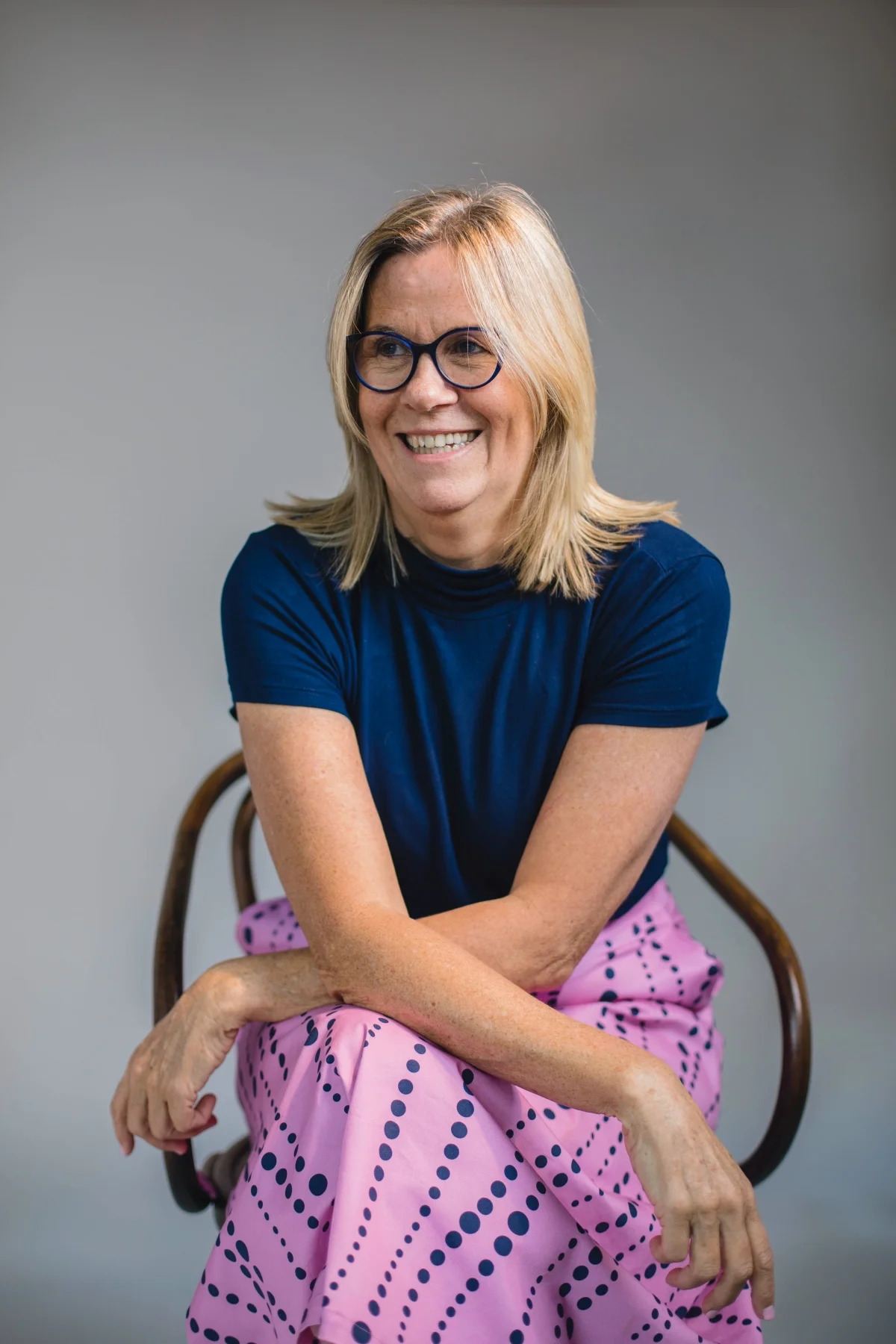 Professor Peta Ashworth OAM, Director of the Curtin Institute for Energy Transition. Image: Courtesy of the Curtin Institute for Energy Transition
To understand what this moment means, we spoke with Professor Peta Ashworth OAM, Director of the Curtin Institute for Energy Transition, who has spent her career studying how people adopt new energy technologies.
We started with the big question: Is the “new industrial revolution” the right way to describe the shift to clean energy?
“Given that the energy transition is requiring us to rebuild our energy system, I think the framing is appropriate,” she said. What makes this moment different, she explained, is that the world needs more energy at the very time it’s trying to switch to cleaner sources.
“We live in an increasingly interconnected world and our reliance on data only continues to grow,” she said. “These factors are increasing energy demand at the time we are trying to transition to lower-carbon alternatives, making the shift increasingly complex.”
Building gigawatt-scale renewable energy also means new trading partners and new global supply chains, Ashworth added, at a time when shifting geopolitics is changing which partners countries can trust and rely on.
Ashworth pointed to what her US colleague Dr. Emily Grubert calls the “messy mid-transition,” when renewable and fossil fuel energy run side by side, but neither can fully meet demand alone. “As we transform our energy system, we can expect major challenges and disruptions if we don’t take on board lessons from the past and plan ahead to manage this period of such enormous change,” she said.
Why Is Western Australia at the Center of This Shift?
Western Australia (WA) supplies 38% of the world's iron ore, the main ingredient in steel. That matters, because making steel is one of the biggest sources of climate pollution, responsible for more than 7% of global carbon emissions.
The state is also rich in the minerals that go into batteries for phones, electric cars, and home solar systems, like lithium and nickel. Sales of these minerals more than tripled between 2019 and 2023, according to the WA government.
Now the state wants to do even more with them. Its plan for battery minerals aims to process more of them locally and make battery ingredients at home, bringing more jobs and benefits to WA.
One big idea is "green iron," iron made using clean energy instead of coal. One study cited by the OECD estimates that, with the right support, WA could produce at least 4.5 million tonnes a year by 2030.
For Ashworth, two priorities stand out. “We must urgently deploy renewable energy projects and transmission lines at scale, and we must recognize Traditional Owners as rights holders so that they can actively participate in projects with an equity share,” she said. “Our failure to do this has been the missing puzzle piece standing in the way of WA capturing more of the value chain.”
That goes for products WA already makes, like direct reduced iron, and for new industries, from magnets and chips to battery recycling.
“Without infrastructure to produce and transport renewable energy, it will be impossible for WA industry to power their operations with the clean, cheap energy that we have in abundance,” Ashworth explained.
Delays in building transmission and getting projects running, she warned, mean longer dependence on coal and gas, higher costs, and less certainty for businesses looking to invest in the state.
Who Gets the Jobs?
Every industrial shift is ultimately about people. The WA government has made creating quality jobs a core goal of its battery minerals plan. The clean energy boom will need electricians, engineers, technicians, and builders, many of them in regional towns where new projects are going up.
Getting the timing right matters. When training keeps pace with investment, projects move forward, local workers benefit, and people who worked in coal or gas can move into new, long-term careers.
Ashworth said it all comes down to how well WA scales up its energy infrastructure. “If we can do this well, new industries will emerge in the regions and create new opportunities for people living in those regions and attract new workers to the area,” she said.
That growth needs support, she added, including enough housing, health and childcare services, and education options in regional communities.
Australia will also need to stay an attractive place for skilled workers from overseas. Countries around the world are facing labor shortages as the transition ramps up, driving up demand for clean energy workers. “If we want people with the skills and expertise needed to advance the energy transition to work here in Australia, we need to make our country an attractive destination for them to settle,” Ashworth said.
Why Does Community Trust Matter?
A new wind farm or power line can change how a place looks and how people earn a living. Whether locals welcome it often comes down to something simple: Were they asked? Were they listened to? Do they share in the benefits?
That's exactly what Professor Ashworth studies at the Curtin Institute for Energy Transition: how people feel about new energy projects, and what builds their trust.
“People do not want to have projects happen to them — they want to have a say in the future of their local area,” Ashworth explained. “When communities are not consulted, information is not clear and benefits are inadequate, projects may be seen as a burden or even a hazard, creating opposition and division among host communities.”
She pointed to the Denmark Community Wind Farm in WA as a success story. Local residents proposed the wind farm themselves in 2003, and it began operating in 2013. It’s locally owned, with 90% of shareholders living in Denmark, and it provides clean energy to the town.
“The turbines are even a tourist attraction!” Ashworth said. “The positive sentiment in the community reflects what I have found through my research — genuine engagement, consultation and benefits are crucial to build community support.”
What Role Do First Nations Communities Play?
First Nations peoples hold recognized rights and interests across almost 60% of Australia, and nearly half of the clean energy projects the country needs will be built on First Nations lands and waters. That means First Nations communities aren't just neighbors to this shift. They're rightsholders, landowners, partners, and investors in it.
In WA's Pilbara region, the Yindjibarndi people are teaming up with renewable energy company ACEN to build large-scale solar and wind projects on their own land, with the community holding a 25–50% ownership stake.
For Ashworth, genuine partnership starts with consent. The UN Declaration on the Rights of Indigenous Peoples, adopted in 2007, affirms the right of Indigenous peoples to free, prior and informed consent: the power to give or withhold consent to actions that affect them.
“It is important to ensure that First Nations communities have the opportunity to participate in engagement, co-design projects and negotiate benefits,” she said, ideally with equity in new energy projects. That work must also be grounded in an understanding of First Nations peoples’ deep and continuing connection to Country.
The stakes are high. Research by Net Zero Australia estimates that 43% of the renewable energy projects needed to reach net zero by 2060 will need to be sited on legally recognized Indigenous-owned land and waters.
“These communities must be included, engaged with respect and have the opportunity to benefit from projects taking place on their Country, otherwise we risk entrenching existing inequality as we saw with the mining and agriculture booms,” Ashworth said. “If our energy transition is to succeed, the first step is ensuring that First Nations communities have agency in the process.”
What Does This Mean Beyond Australia?
This isn't only an Australian story. Around the world, millions of people still live without electricity. Without reliable power, it's harder to run a health clinic, keep a small business open after dark, or study at night.
Australia is already helping its neighbors. Through a five-year, AU$75 million program called REnew Pacific, it funds local clean energy systems for remote communities across the Pacific and Timor-Leste, bringing light, clean water, and better health care and schools.
Ashworth recently attended the Pre-COP meeting in Fiji to better understand how Australia can support the energy transition across the Indo-Pacific. In the Pacific, she said, the urgent call was to move from priorities and plans to action.
Palau’s President Surangel S. Whipps Jr. spoke about closing the gap between ambition and action by deploying renewable energy to strengthen resilience and energy security and to create lasting economic opportunities. Priorities included funding and delivering projects under each country’s national plan, building local skills so every country can electrify, and innovative financing that gets money to the communities that need it without losing it to unnecessary overheads.
Cutting reliance on diesel came up as a win on several fronts, not least by freeing up money currently spent on fuel.
But Ashworth was clear that Australia has work to do at home, too. “WA and Australia need to clean up our own backyard,” she said. “For WA, this means the need for a clearly articulated plan that demonstrates how WA will transition away from fossil fuels to reach net zero.”
What Happens Next?
The first industrial revolution was powered by coal and steam. This one will be powered by sunshine, wind, and the people and partnerships that turn them into job opportunities and electricity.
That's why leaders from government, business, philanthropy, and First Nations communities are meeting at Global Citizen NOW: Perth, to align and advance commitments that bring clean, reliable power to more people across the Indo-Pacific.
Western Australia has a lot of what it takes. What happens next depends on the choices being made right now.