There’s something powerful about watching young people step into a dream they once thought was out of reach. The excitement is impossible to miss. The focused eyes, the nervous energy and the quiet confidence growing with every new skill learned. It’s in the way they gather around equipment for the first time, ask questions with curiosity and light up when theory becomes real-world experience.
When I walked into the Gearhouse Kentse Mpahlwa Academy in Johannesburg, I could immediately feel that energy. Young hearts and minds were in motion, eager to learn, eager to create and eager to become part of Africa’s growing creative economy.
The Gearhouse Kentse Mpahlwa Academy runs a one-year accredited learnership training programme across centres in Johannesburg, Cape Town and Durban. The free, full-time programme equips students with the theory, technical and safety expertise required to enter South Africa’s live events and technical production industry.
The course is designed to produce work-ready graduates with a strong foundation in theory, technical knowledge, safety standards, and practical experience needed within live events and technical production. It is an industry that powers everything audiences see on stage, yet one where opportunities often remain inaccessible to many young people.
Part of what makes the academy feel so inspiring is the people leading it. Joburg’s Head of Learnership Training at Gearhouse South Africa, Dr. Garth Green, speaks about the technical production industry with a passion that is impossible to ignore.
“The Academy started in 2005 and has been running ever since. There was nothing like this in the industry. In the past, you would simply join the industry, start as a stagehand and from there, success was really up to you,” he explains.
“This qualification takes everybody up to being able to put a presentation stage together, think sound, lighting and audio visual skills.”
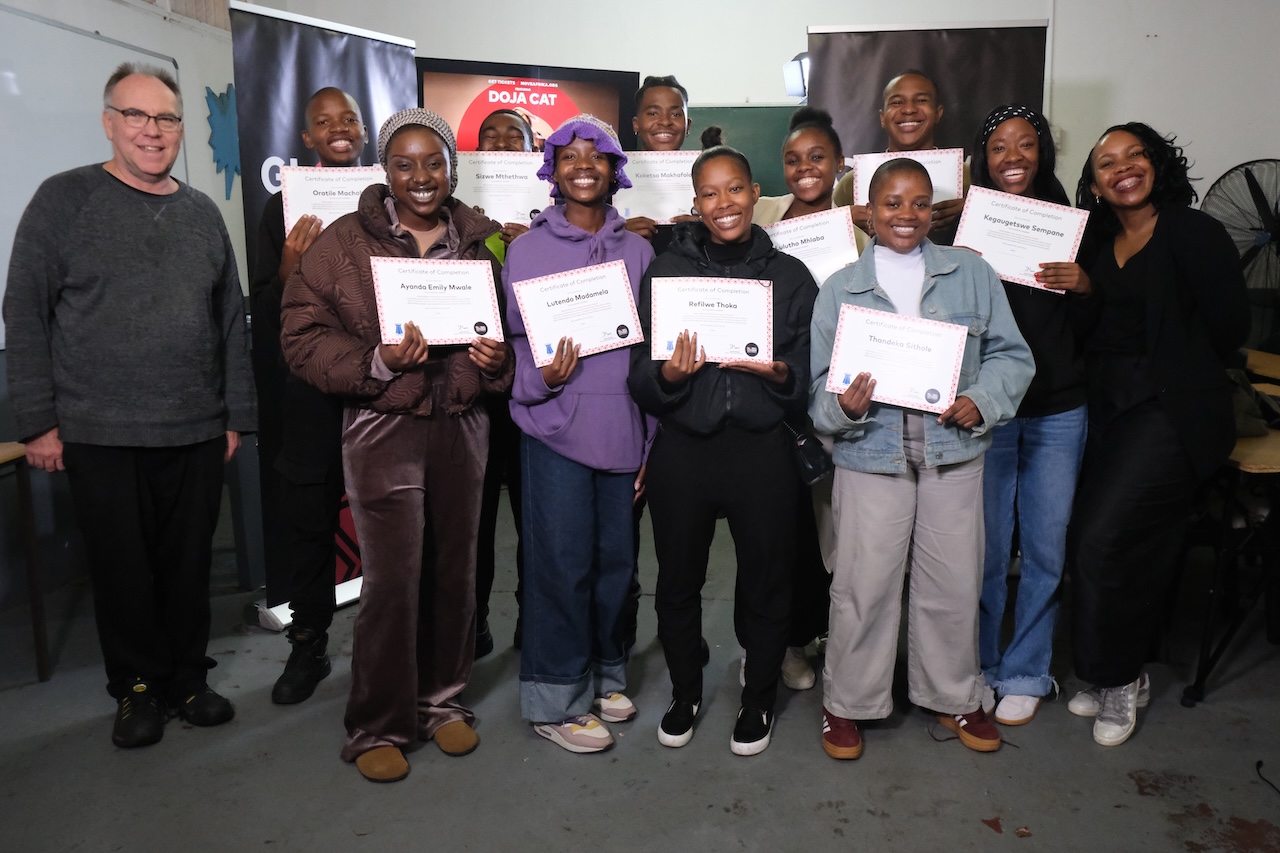
Young South Africans celebrate receiving certificates of completion after behind-the-scenes training ahead of Move Afrika: Pretoria 2026. Image: Bold Behaviour for Global Citizen
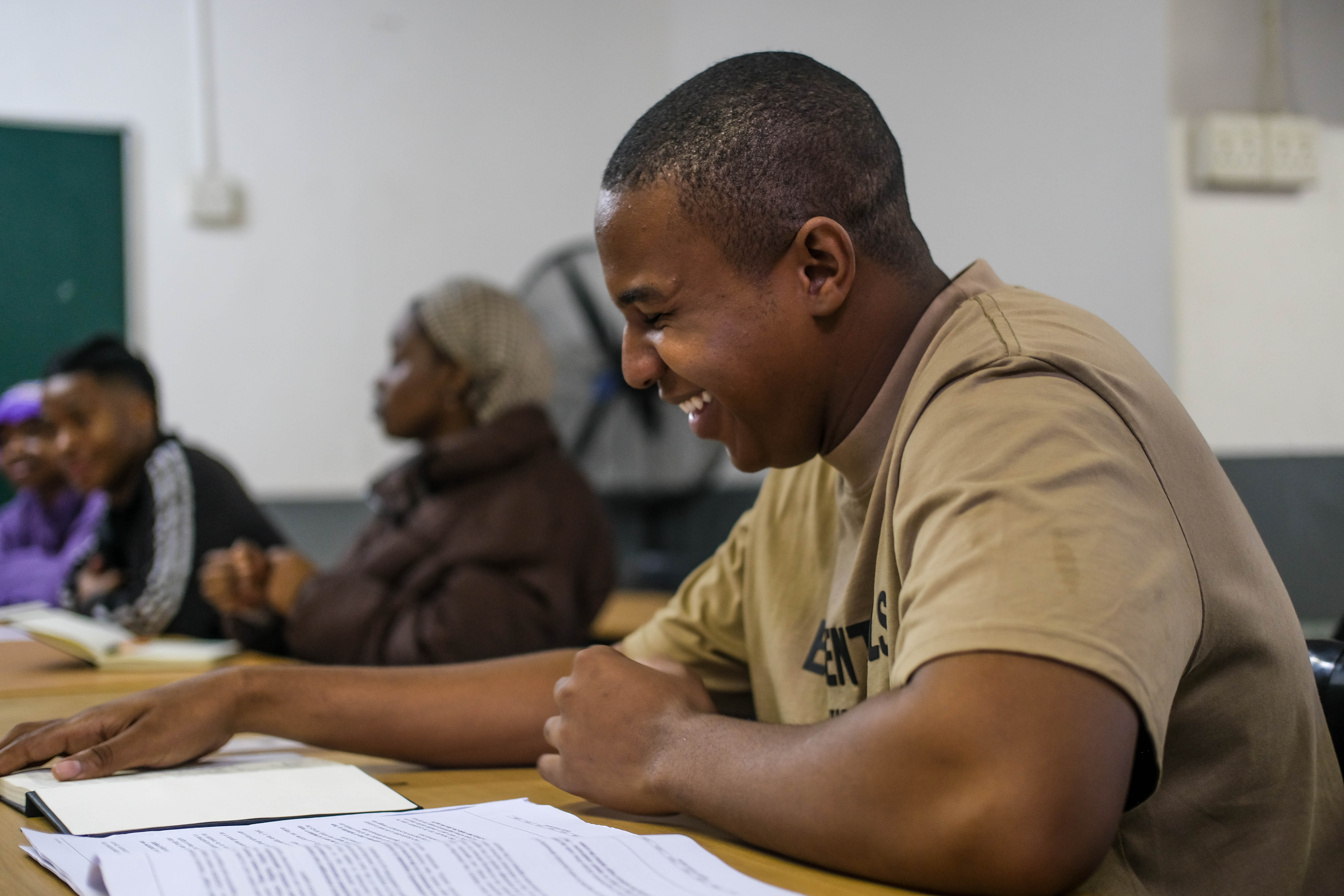
Participants take part in theory sessions during skills training ahead of Move Afrika: Pretoria 2026. Image: Bold Behaviour for Global Citizen
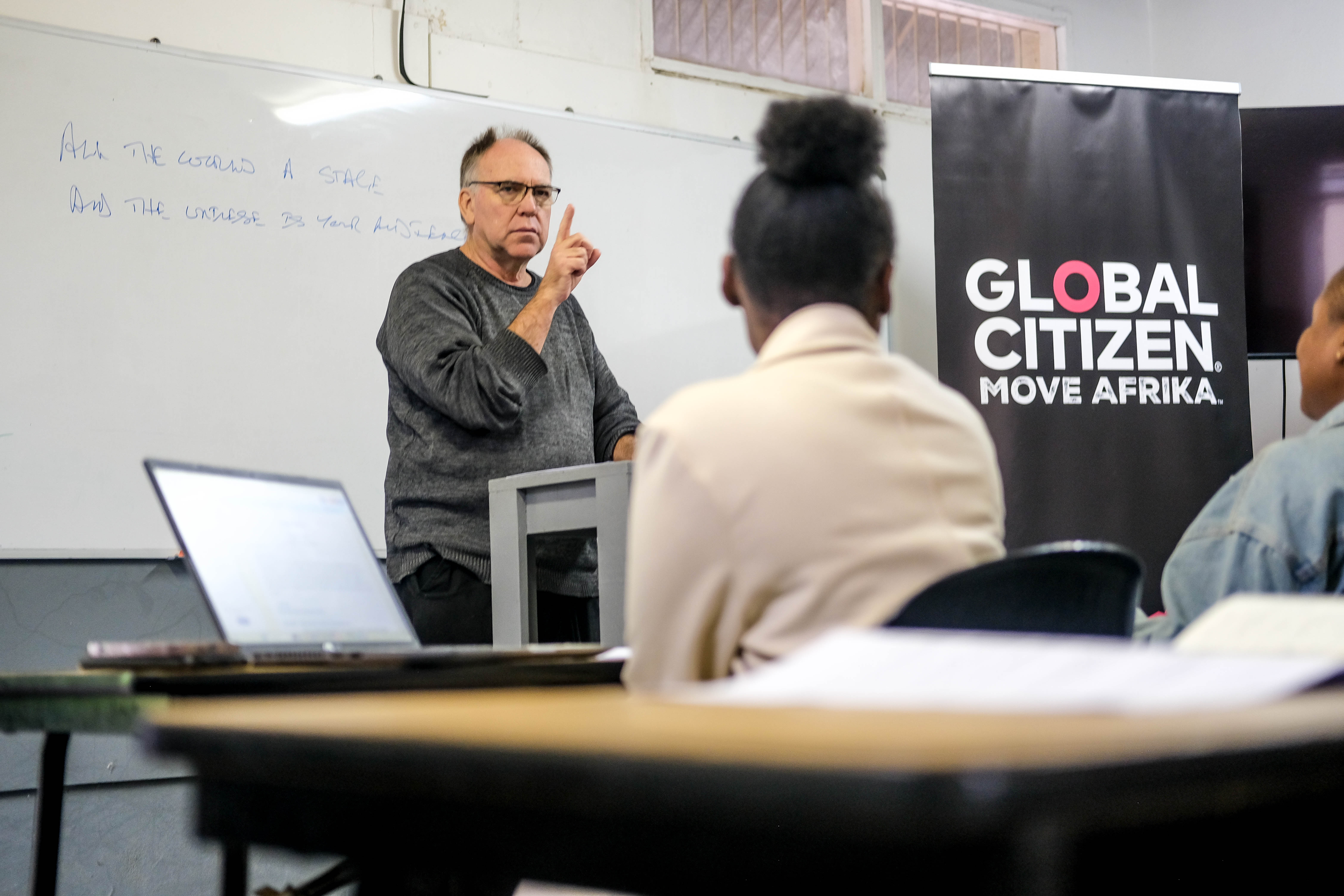
Dr. Garth Green, Head of Learnership Training at Gearhouse South Africa’s Johannesburg campus, delivers a lecture on the technical production industry during skills training ahead of Move Afrika: Pretoria 2026. Image: Bold Behaviour for Global Citizen
Whether Dr Green is explaining the mechanics behind a stage setup or encouraging students to believe in their own potential, there is an energy in the way he connects with young people that immediately draws them in.
Watching him engage with students made it clear that this work goes beyond technical training. The way he paints a picture of the industry, motivates young people and speaks about the possibilities within the technical sphere creates a genuine hunger to learn. His demeanour brings a sense of warmth and purpose to the academy, making the space feel not only educational but deeply human.
Building Skills for Africa’s Creative Economy
Africa’s creative economy is growing quickly. Across music, film, fashion, production and live entertainment, the continent’s young people are driving cultural movements that are capturing global attention. But while talent is everywhere, access is not.
For many young Africans, breaking into technical and creative industries can feel impossible without formal training, mentorship or industry connections. That gap between opportunity and access is exactly what skills development programmes are trying to address.
Ahead of Move Afrika: Pretoria 2026, Global Citizen partnered with Gearhouse South Africa and the Gearhouse Kentse Mpahlwa Academy to launch the Youth Technical Production Pathway for the South African leg of the tour.
The initiative forms part of Move Afrika’s broader commitment to investing in Africa’s creative industries by helping young people gain practical skills and direct industry experience.
Ten young people from Johannesburg and Pretoria, aged 18 to 26, were selected to participate in the programme. Over two intensive weeks, they received hands-on training in audio, lighting, audio visual systems, power and rigging.
“This week during my tenure at Gearhouse, I learnt so much,” says Lulutho Mhlaba. “In my professional career, I’m a lighting technician, but I never really knew [how important] it was to learn about the electrical aspect of it. There are so many calculations and maths that go into power,” she adds.
The Youth Technical Production Pathway gave individuals the opportunity to access the Gearhouse Kentse Mpahlwa Academy, which offers young people a structured, accredited route into technical production careers that are often inaccessible without established industry networks. The two-week course through the partnership between The Youth Technical Production Pathways and the Gearhouse Kentse Mpahlwa Academy gave students foundational knowledge in both theory and practical applications in audio, lighting, audio visual, power and rigging.
From the Classroom to the Main Stage
What made the programme especially impactful was that the training did not end in the classroom.
After completing their technical preparation, participants were given the opportunity to work directly on the technical production of Move Afrika: Pretoria ahead of Doja Cat’s headline performance. For many of them, it was their first time witnessing the scale and coordination required to build a major international live event.
Students saw firsthand what it takes to bring a stadium-scale technical production to life, from assembling stages and managing lighting systems to coordinating technical crews behind the scenes.
For the students involved, the experience offered more than technical training. It gave them confidence, exposure and a clearer vision of what a future in the creative industries could look like.
“What stood out the most about the whole initiative was the students getting involved with the gig itself,” says Dr Green. “At the end of the day, after the lectures that started the whole programme off and the practicals, when the students got onto site, they became part of the entire team.”
Working on a live production of that scale also allowed participants to understand the many careers that exist beyond what audiences see on stage. Behind every performance is an ecosystem of technical experts, creatives, engineers, producers, and crew members whose work makes the experience possible.
“Right at the beginning, we were invested in people, and that’s essentially what Move Afrika is about,” adds Lipalesa Morake, Director of Africa Youth Development at Global Citizen. “We did not overthink what we could put together; we really thought about what would be practical as a two-week sprint that would be feasible for young people. They were able to collaborate with heads of production, right up to the CEO, and the support we had from Gearhouse South Africa and the Gearhouse Kentse Mpahlwa Academy was absolutely amazing.”
Investing in Africa’s Future
As Africa’s creative industries continue to expand, skills development will play a critical role in ensuring young people are not left behind.
Beyond entertainment, initiatives like these show how investing in training and education can help unlock employment opportunities, strengthen local industries and build a new generation of African creatives capable of shaping the future of global culture.
For the young people at the Gearhouse Kentse Mpahlwa Academy, the programme meant more than just learning to operate equipment or build a stage. It was proof that there is space for them in an industry they once only watched from afar.
And perhaps that is what made the experience feel so meaningful. In every classroom session, backstage moment and technical demonstration, there was a reminder that Africa’s creative future will be shaped not only by the artists on stage but also by the young people behind the scenes learning how to bring those moments to life.