Tishiko “Tish” King is a Kulkalaig woman from Masig Island in Zenadth Kes/Torres Strait. She is also a marine biologist, an ocean advocate and the founder of Just Futures Collab.
Just Futures Collab is an Aboriginal and Torres Strait Islander-led collaborative giving circle that redirects resources towards Indigenous-led climate solutions. In October 2026, she was a panelist at Global Citizen Now: Perth.
Here, in her own words, she shares how her connection to the ocean shaped her climate advocacy and her work to ensure Indigenous communities can access the resources to lead their own solutions,
At my core, I’m an ocean person.
I’m a daughter of Masig Island and of the ocean. My identity, culture, and understanding of the world are deeply connected to saltwater, Country, family, and community. The ocean is not just the environment I work to protect; it is part of who I am, how I understand my responsibilities, and how I see our relationship with the world around us.
Growing up connected to island life has shaped how I understand community, reciprocity and what it means to care for the places that care for us. For us, Country is not separate from our lives. It holds our stories, our ancestors, our food systems, our knowledge, and our future generations.
Masig is a low-lying island where our relationship with the ocean is deeply intimate. We understand its rhythms, generosity, and power. But we also live with the reality of rising seas, king tides, and coastal erosion threatening the places, practices, and cultural connections that make us who we are.
I carry both the beauty of where I come from and the responsibility of knowing what is at stake. My work today is grounded in that relationship. I want future generations of our people to be able to live on Country, practice culture, and determine their own futures, an opportunity our ancestors fought to protect for us.
I’m not sure there was one moment when I decided to become an activist.
We were always taught to take what we needed, never more, and to share with our families. With saltwater in my veins, I knew I wanted to become a marine biologist.
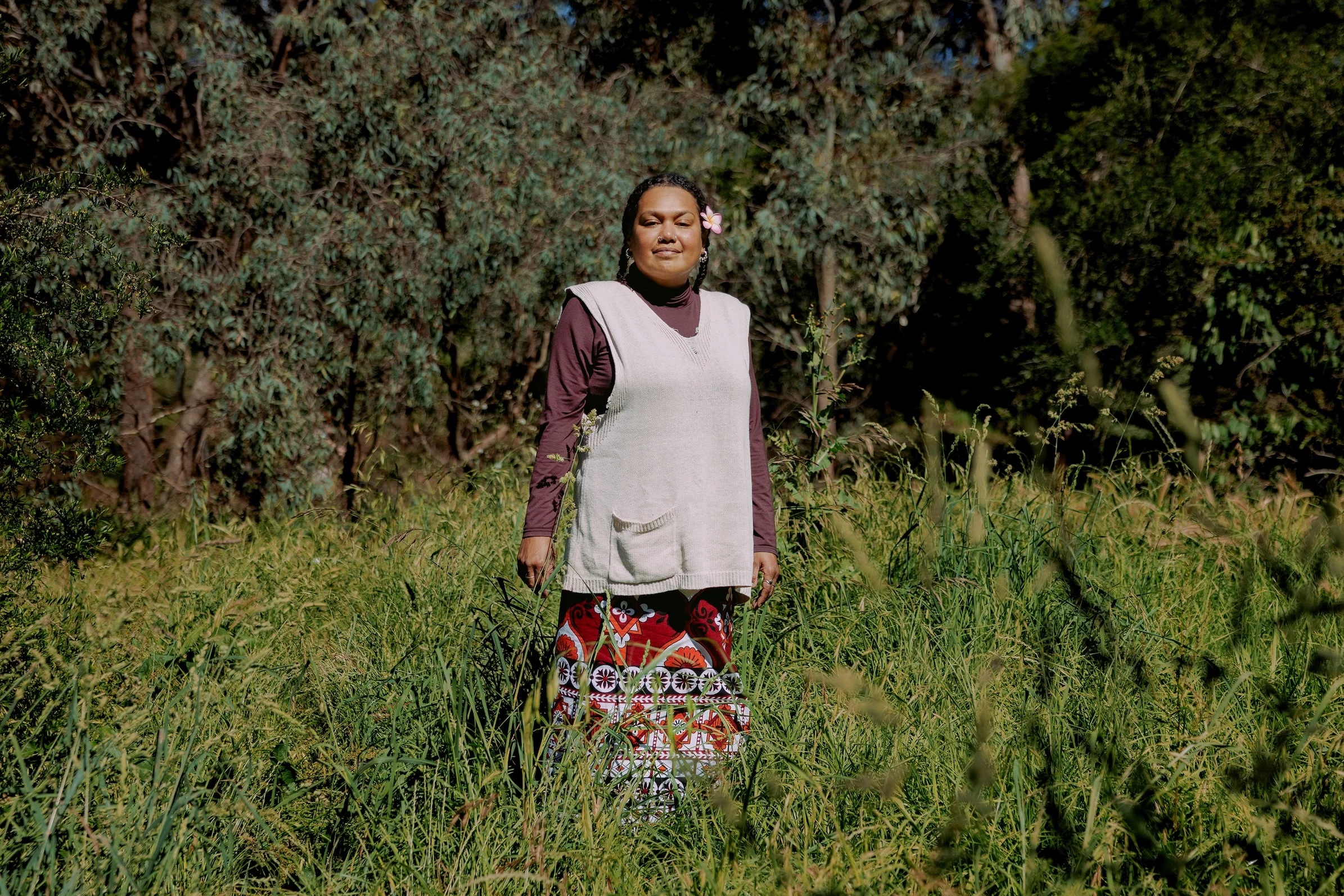 Marine biologist and ocean advocate Tishiko “Tish” King, founder of Just Futures Collab.
In 2009, while living on Moreton Island, I saw the effects of the Pacific Adventurer oil spill on animals and ecosystems. That experience showed me the gap between what we know about the climate crisis and what we are doing for the people facing its impacts first.
Through my involvement in the Our Islands Our Home campaign in 2020, I began to see that climate change was not just an environmental issue. It was about human rights, self-determination, culture and whether our people would be supported to remain on our ancestral lands.
I also recognized a profound injustice in climate finance. Torres Strait Islander communities are a minority within a minority. We can be overlooked by funding systems that already fail to adequately support First Nations peoples, particularly when global funders prioritize particular countries or categories of vulnerability.
These systems are not broken. In many ways, they are working exactly as they were designed to. They concentrate resources and decision-making power in institutions far removed from the people living with the consequences.
That understanding changed the question I was asking. It was no longer, “How do we get people to care about climate change?” It became, “How do we change who holds the money, who makes the decisions, and whose knowledge and futures are valued?”
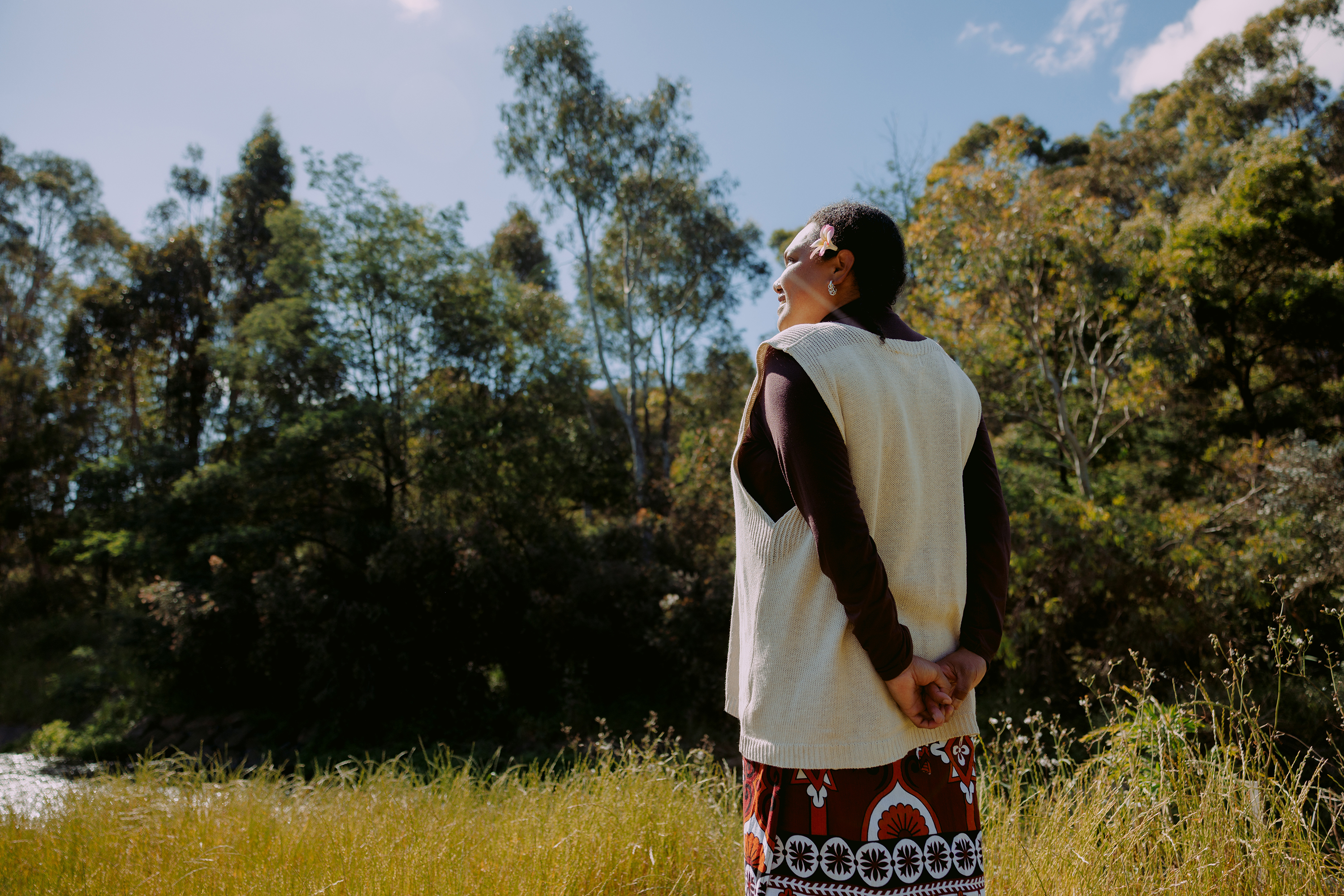
“At my core, I’m an ocean person,” says Tishiko “Tish” King.
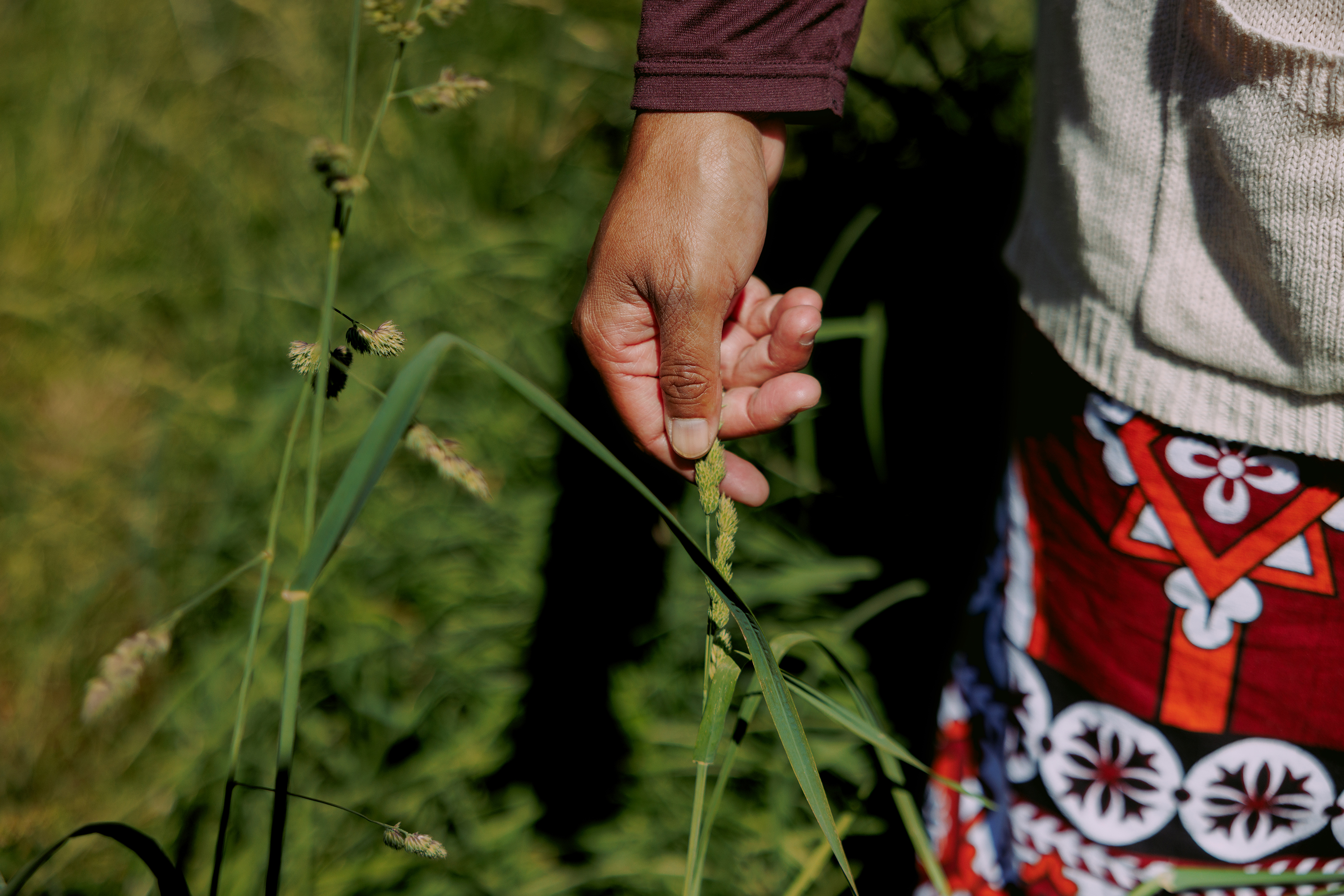
Kulkalaig woman, marine biologist, and ocean advocate Tishiko “Tish” King is pictured among greenery during a Global Citizen portrait shoot.

Tishiko “Tish” King stands barefoot in flowing water, reflecting the connection to Country and saltwater that grounds her climate advocacy.
That understanding led me to found Just Futures Collab. I wanted to build an Indigenous-led, community-powered approach to climate finance that puts resources closer to the people and places that need them most.
Our work sits at the intersection of climate justice, Indigenous rights, and philanthropy.
We are building a model grounded in Indigenous governance, trust, reciprocity, and community decision-making. It aims to shift money, power, relationships, and accountability.
For me, environmental justice and Indigenous rights cannot be separated. You cannot meaningfully protect the environment while excluding the Indigenous Peoples who have cared for it for tens of thousands of years. And you cannot uphold Indigenous rights without protecting the lands, waters, cultures and relationships that sustain our communities.
The people closest to the solutions should have access to the resources needed to realize them. Ultimately, we want a climate finance system that recognizes Aboriginal and Torres Strait Islander peoples as rights-holders, knowledge-holders and leaders in shaping our collective future.
Australia is often seen as a stable democracy where people can speak freely and participate in public life.
But people can still face pressures that can limit their ability to challenge power, particularly when doing so threatens powerful political and economic interests.
As an Indigenous woman working in climate advocacy, I speak truthfully about the impacts of fossil fuels, the failure to adequately address climate change, and the ongoing exclusion of Indigenous peoples from decisions about our lands and waters.
One challenge of activism is that you can be encouraged to speak about climate change as long as you do not challenge the systems driving it. You can be invited into a room to share your story, but that does not necessarily mean you will have a say in the decisions or access to the resources that follow.
For Aboriginal and Torres Strait Islander peoples, there is also the burden of repeatedly explaining and defending our lived experiences, rights, and connection to Country. We are often expected to share our stories, educate others, and represent entire communities, while working with limited resources and carrying the emotional weight of what is happening to our homelands.
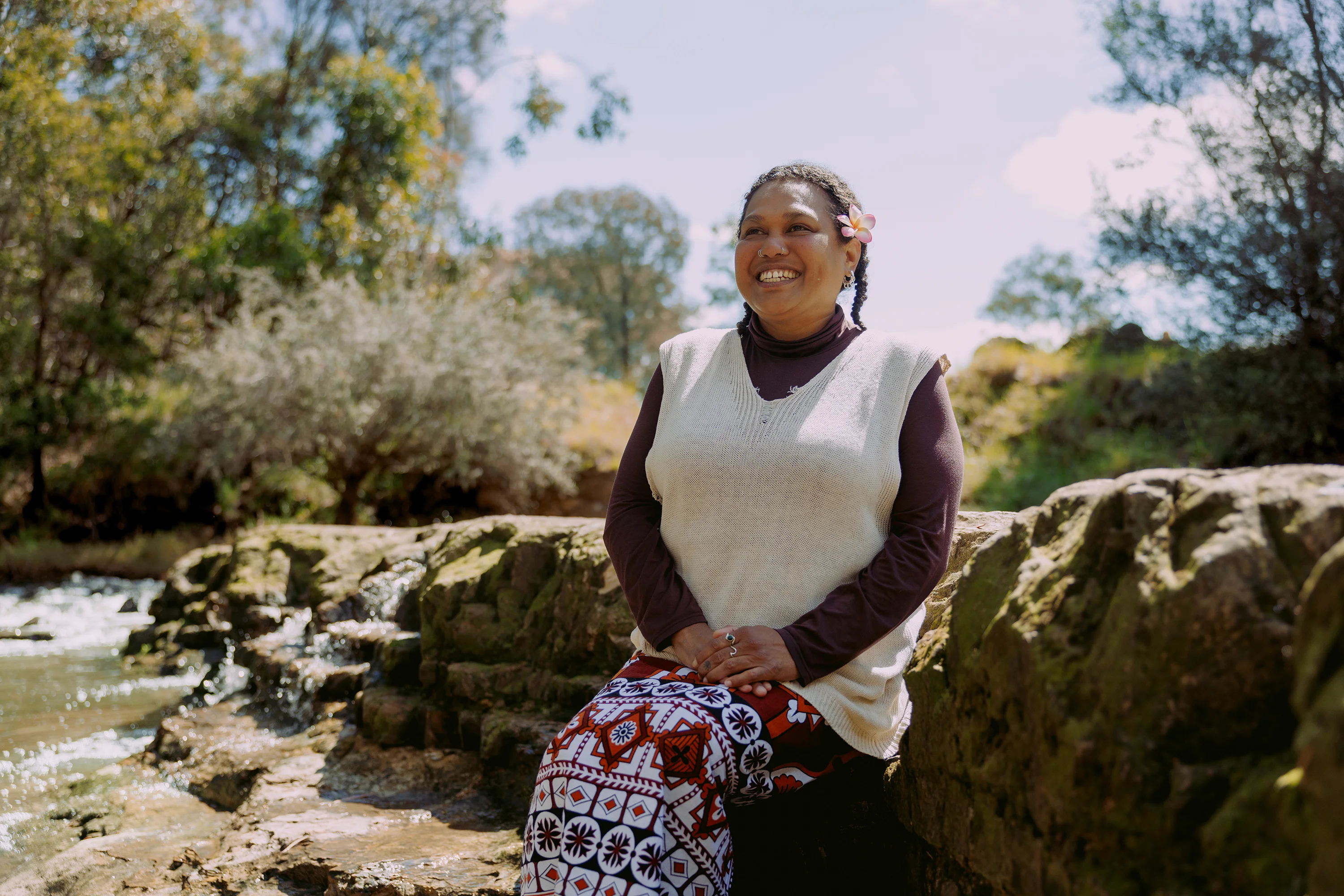 ust Futures Collab founder Tishiko “Tish” King advocates for climate funding and decision-making power to reach Indigenous communities.
There is a real tension between being heard and being able to influence change.
I feel able to speak out, and I believe we should keep exercising that freedom. But freedom of expression does not mean freedom from consequences. Challenging powerful interests can bring professional, political, and reputational pressures, and public advocacy can expose people to criticism, hostility or backlash.
I do not want to overstate my own experiences of violence or repression, but we need to take seriously the broader environment in which activists, First Nations advocates, and environmental defenders operate. People should not have to fear for their safety, livelihoods or ability to continue their work because they are defending human rights and the environment.
The answer is not to become quieter. It is to build stronger networks of solidarity and support, so that people are not left standing alone when they speak out.
This is also why resourcing civil society matters. Advocacy organizations and grassroots movements need more than short-term project funding. They need the resources, relationships and long-term security to speak truth to power, organize communities, and hold decision-makers accountable.
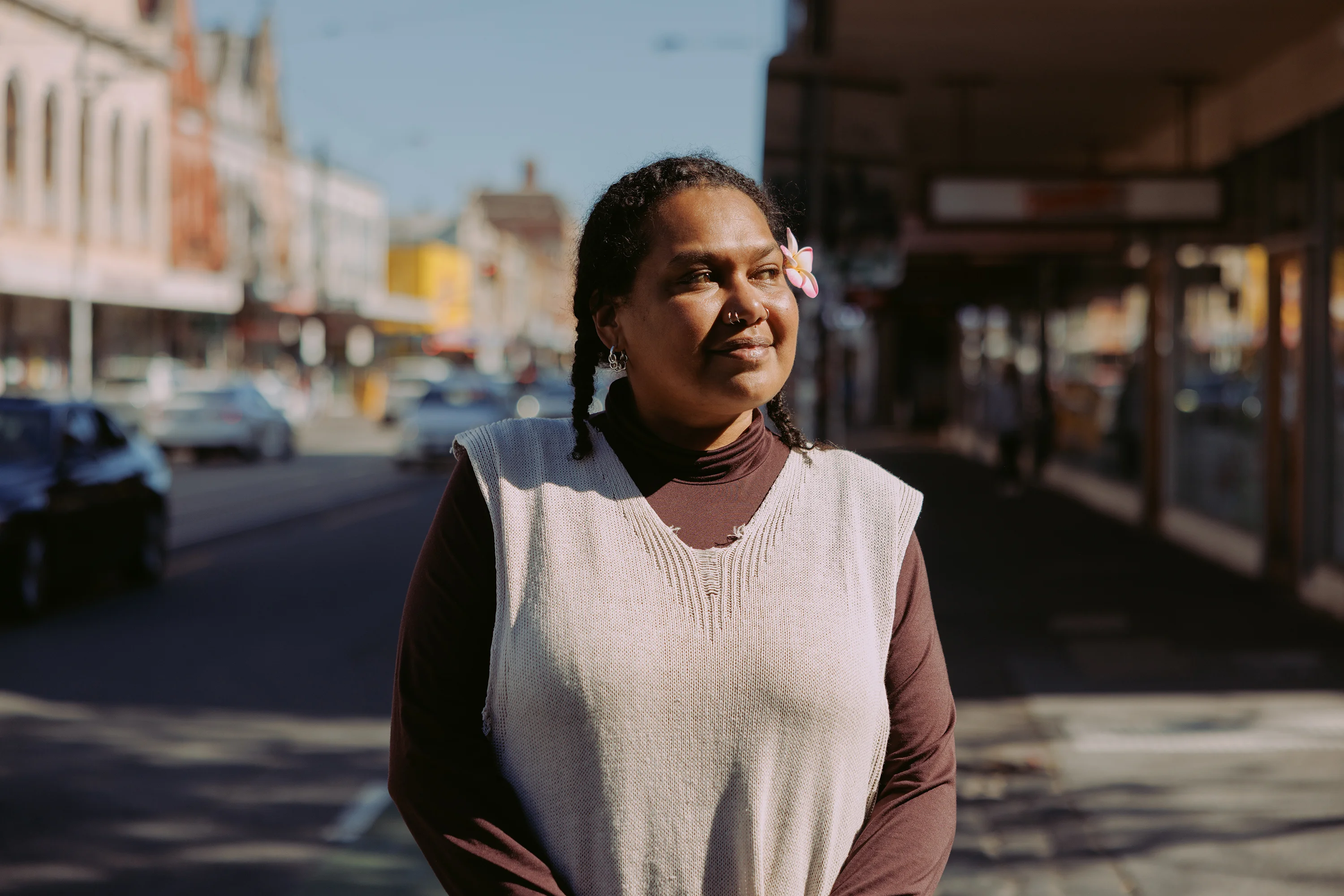 Just Futures Collab founder Tishiko “Tish” King is photographed on a city street in Australia.
Representation means little if resources never reach our communities.
We need resources for climate advocacy and adaptation, and those resources must reach our region, rather than be counted in national funding figures.
You can be included in the language of a funding strategy and still be excluded from its benefits.
We have to examine how funding is distributed, which communities can access it, and whether funding follows the needs and priorities of the people and places most affected.
We need to ask whether funding intended for Aboriginal and Torres Strait Islander peoples actually reaches every community and region that needs it.
If we are serious about climate justice, we have to be serious about where the money goes. Those experiencing the impacts must be able to access the resources they need to respond, protect their Country, and determine their own futures.
This article, as narrated to Guguleth Mhlungu, has been slightly edited for clarity.
The In My Own Series is part of Global Citizen’s grant-funded content.