Fredy Mugisha first became involved in sexual and reproductive health and rights (SRHR) advocacy through a high school health club. The issue, he recalls, became personal after two teenagers he knew faced an unintended pregnancy without the support or information they needed. Afraid of how her parents would respond, the girl ran away from home. Mugisha believes the situation might have unfolded differently if she had been able to seek confidential, timely support from a health provider. “She was afraid,” he said. “She didn’t feel she could go to her parents or to a health center.”
Now 22, Mugisha works as a youth champion with Health Development Initiative (HDI), helping other young people understand and access reproductive health information. For him, the story shows why legal access matters — but also why young people need services they can trust enough to use.
On September 18, 2025, Rwanda lowered the legal age for independent access to contraceptive services from 18 to 15. Under the reform, adolescents aged 15 and above can access contraception and other sexual and reproductive health services without parental or third-party consent.
Rwanda introduced the reform amid persistent levels of adolescent pregnancy. According to the Rwanda Demographic and Health Survey (RDHS), the proportion of girls aged 15–19 who had begun childbearing rose from 5.7% in 2007 to 7.3% in 2015 before declining to 5.2% in 2019/20. But survey rates and cumulative case counts tell different parts of the story: even as the share of adolescent girls beginning childbearing declined, national statistics show that more than 30,000 teenage pregnancies were still recorded between 2020 and 2023.
The stakes are not limited to unintended pregnancy. While 58% of married women in Rwanda were using modern contraceptives in 2020, only 18% of unmarried sexually active adolescent girls reported using modern methods. Rwanda’s 2024 HIV report estimates that girls and young women aged 15–24 account for more than 30% of new HIV infections nationally, and HIV prevalence among young women is nearly three times higher than among young men of the same age group.
National figures reveal the scale of the challenge, but the barriers often become most visible in everyday encounters. In Mugisha’s view, young people may know services exist but still hesitate if seeking them could expose them to judgment. “You can’t feel comfortable asking for condoms in a nearby pharmacy where the pharmacist is your neighbor or someone who knows you,” the 22-year-old explained.
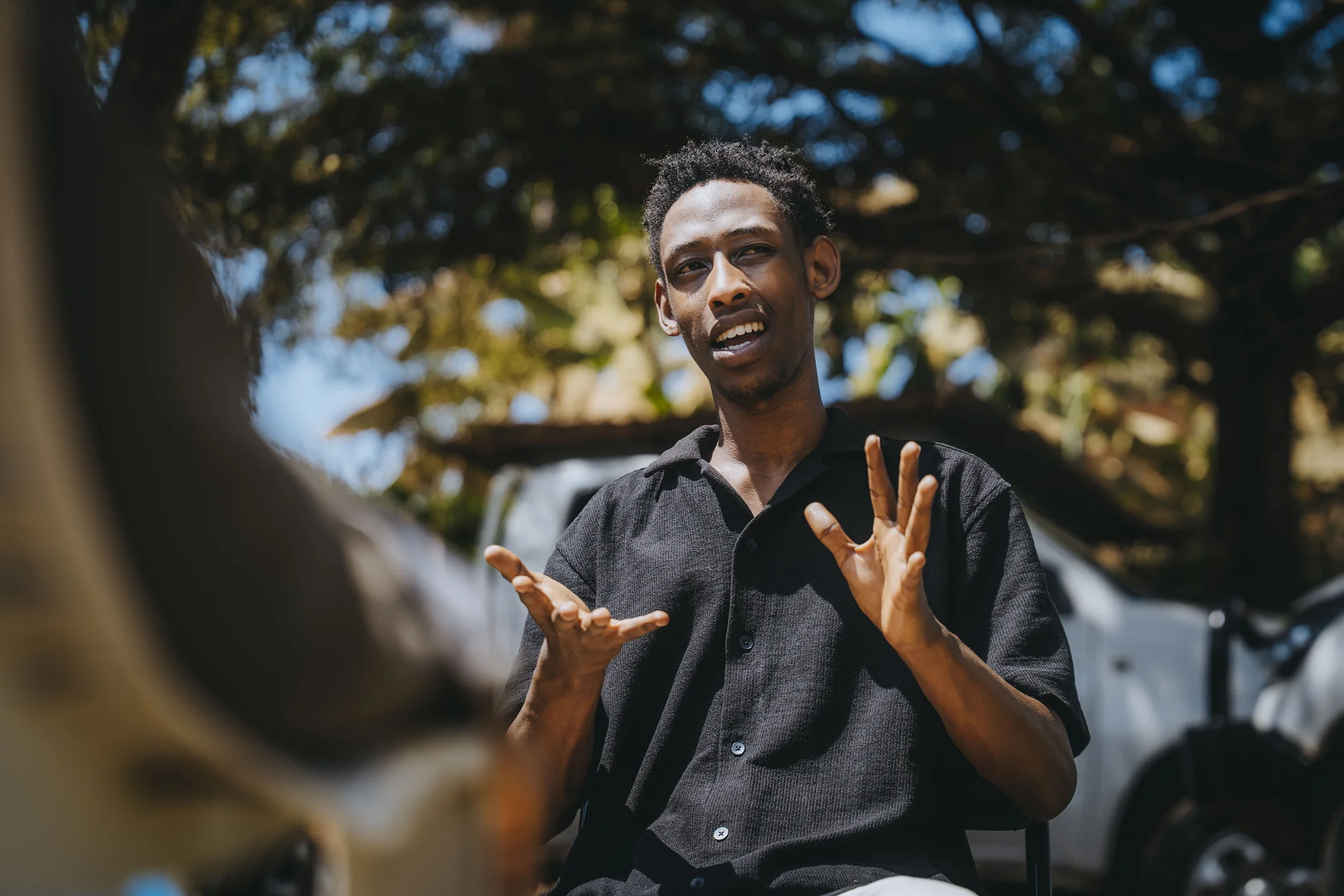 Fredy Mugisha speaks with Global Citizen in Rwanda in June 2026. Mugisha works as a youth champion with HDI, helping other young people understand and access reproductive health information.
Peer attitudes can also shape how adolescents think about contraception. Elyse Ihirwe, Access to Medicines Advisor at HDI, pointed to a common phrase among some adolescents: “Ntushobora kurya bonbon utabanje kuyikuramo urupapuro” — loosely translated as, “You can’t enjoy a sweet without removing the wrapper.” The phrase, she explained, discourages condom use by suggesting that protection reduces sexual pleasure.
Youth-friendly spaces are intended to make care easier to seek despite those social pressures. According to health sector data, 84% of Rwanda’s health centers now have youth corners designed to provide adolescents with information and services in a more welcoming environment. Yet whether adolescents use those services often depends on the care they receive once they arrive.
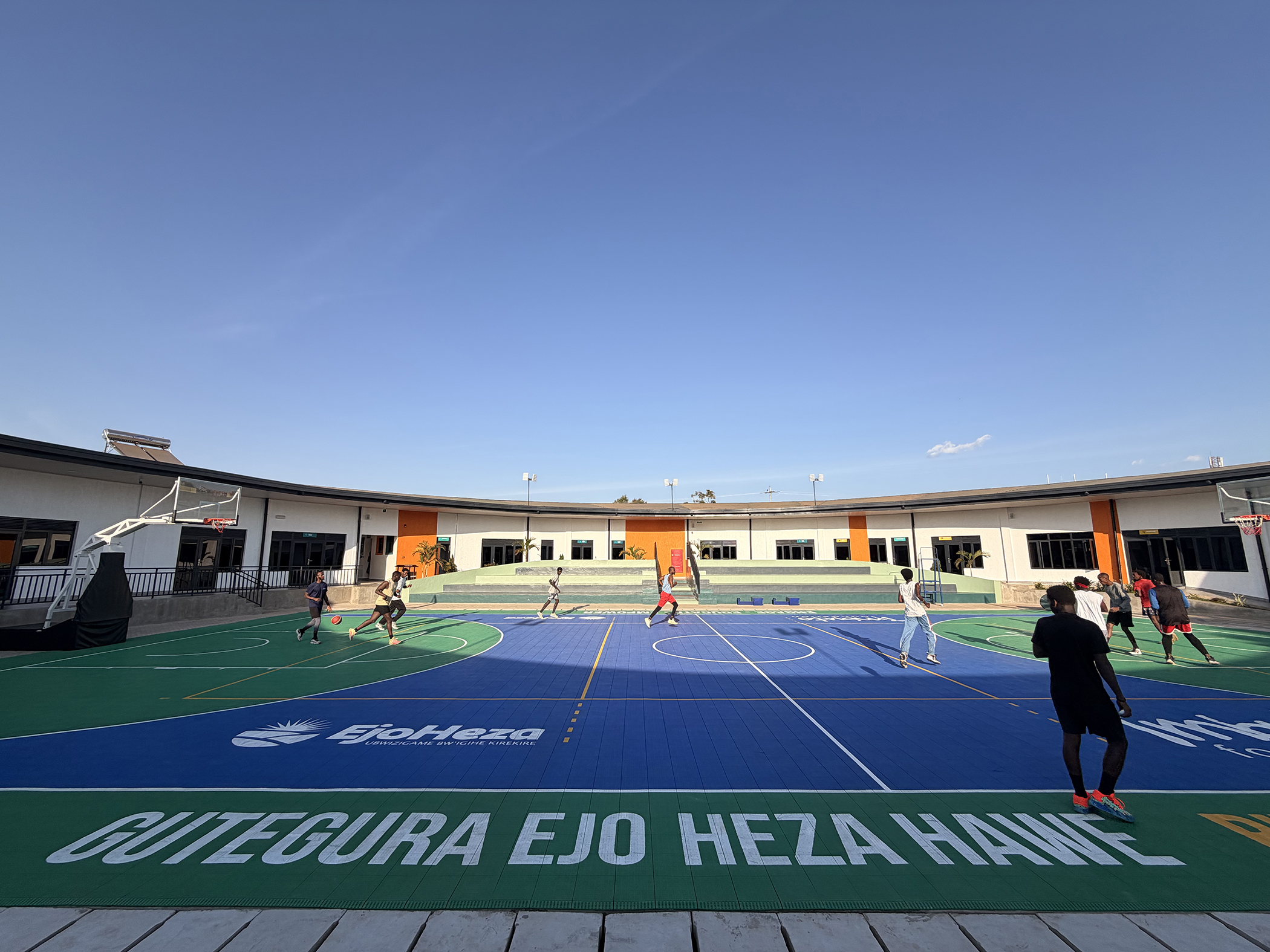
One example is the Centre de Jeunes (Youth Center), now operating as Imbuto Hub. Developed and operated by the Imbuto Foundation, the centre in Bugesera brings youth development and health services together in one community space. Inside, it feels closer to a campus than a clinic, with a library sitting beside creative and vocational studios, while daycare and sports facilities occupy other parts of the building. Staff say this broader model creates a familiar environment where adolescents can participate in everyday activities while accessing reproductive health information and services.
Privacy is central to its SRHR, according to nurse Angelique Sengati. “The fear of being seen is what stops many young people from coming,” she explained. Separate exits and tinted consultation rooms offer discretion, while trained staff provide youth-friendly care.

Rwanda: Access to Contraception
Imbuto Foundation in Rwanda supports health, education, youth empowerment, and economic opportunity across Rwanda. Its health programs promote adolescent sexual and reproductive health, HIV awareness, and greater access to family planning services.
Rwanda: Access to Contraception
Imbuto Hubs, such as this one in Bugesera, bring youth-focused activities and services together in welcoming community spaces, connecting young people with learning opportunities, health information, and sexual and reproductive health support.
Rwanda: Access to Contraception
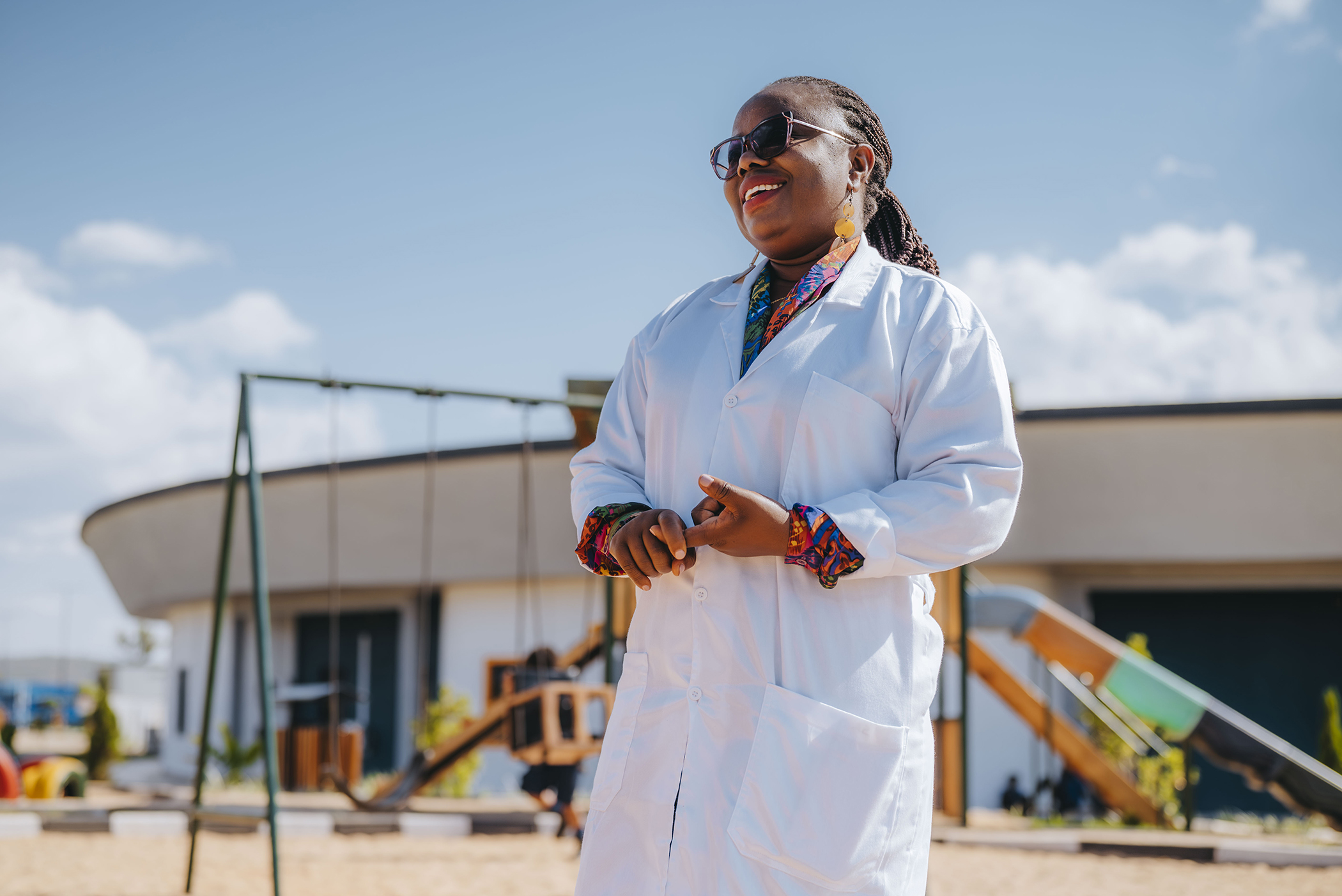
Angelique Sengati is an adolescent sexual and reproductive health nurse in Rwanda. Sengati spoke with Global Citizen in June 2026.
Around 100 people seek sexual and reproductive health services there each month, Sengati said, most of them between the ages of 16 and 24. Boys make up the majority of visitors, while girls remain more hesitant, partly because of misconceptions about contraception. “We encourage every young person who comes here to become an ambassador and share information with their peers,” she added.
Imbuto Hub addresses some of these challenges through its design, but access can still be disrupted elsewhere. Ihirwe said several facilities have experienced temporary contraceptive gaps because supplies were not reordered on time, although the organization could not disclose the locations involved because of the sensitivity of the issue.
To strengthen implementation, HDI supports facilities in identifying supply gaps while also working to improve the quality of care. In 2025, alongside Medical Doctors for Choice, the organization says it trained 609 health care providers and mentored more than 500 emerging health professionals. Its values-clarification training asks participants to examine how personal assumptions may influence consultations, helping ensure that adolescent care is guided by evidence rather than individual beliefs.
Since the reform, HDI has been able to hold SRHR conversations with fewer restrictions in partner secondary schools across Kigali, Bugesera, Rubavu, and Rwamagana. Those conversations matter because access depends not only on clinics, but also on the adults young people encounter at school and at home. Jean de Dieu Hakizayezu, a father of three and principal of S.O.S Technical High School in Kagugu, believes honest conversations can help students make more informed decisions. “Making time to talk to one’s children should be a priority, regardless of how busy life gets,” he emphasized.
At S.O.S Technical High School, students can turn to designated staff members with sensitive reproductive health questions. A message on the wall of Hakizayezu’s office reads: “Every individual should be protected from sexual harassment, exploitation and abuse.” He says the school tries to reflect that principle by ensuring students have trusted adults they can approach.
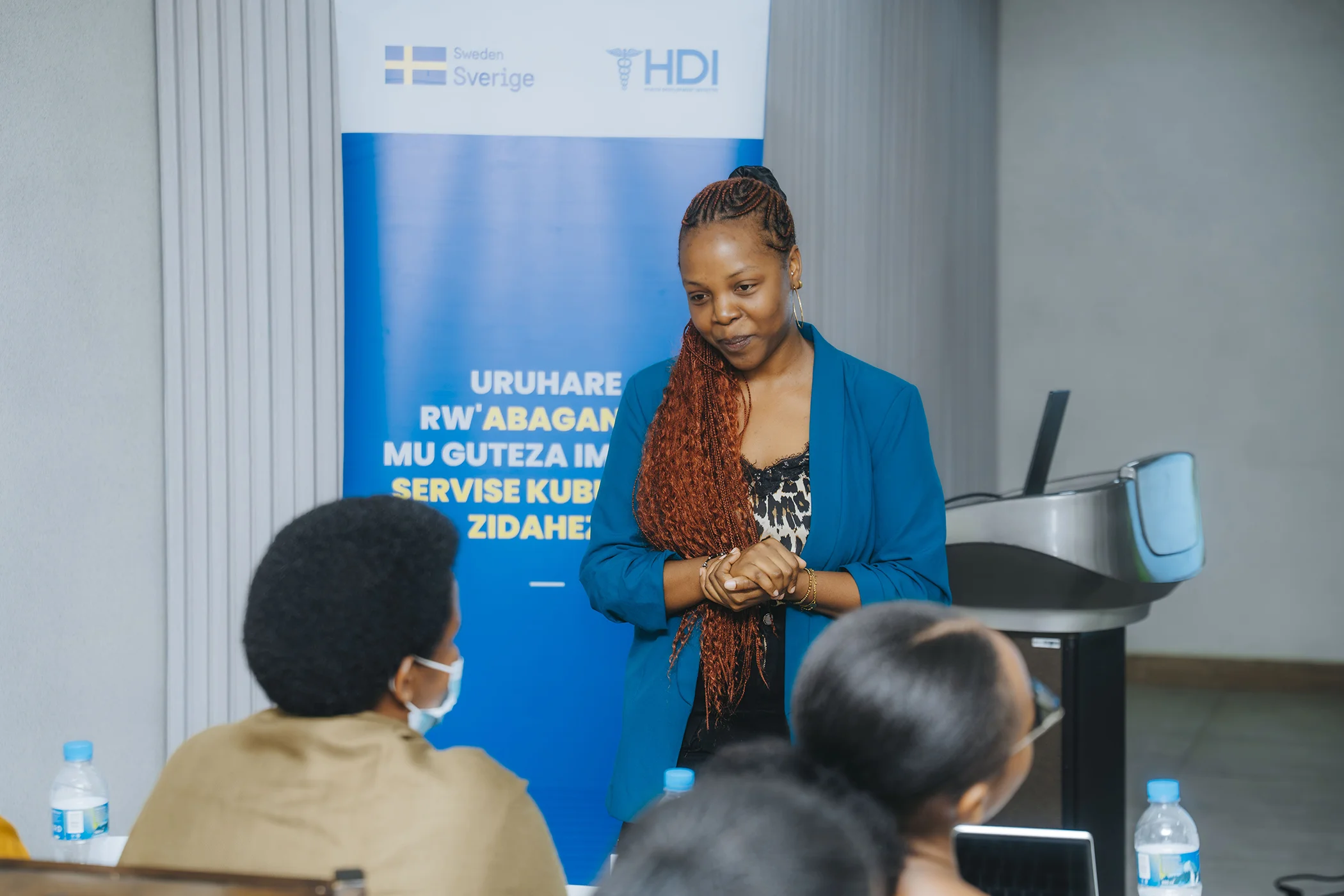 Elyse Ihirwe is an Access to Medicines Advisor at HDI in Rwanda.
That emphasis on communication was also central to the Youth Forum: “Accelerating Action to End Teenage Pregnancy in Rwanda,” held in Kigali on June 26, 2026, where the Imbuto Foundation launched its Parent-Adolescent Communication initiative (PAC). The program includes a guide to help parents and caregivers begin age-appropriate conversations about relationships and reproductive health before problems become crises.
For Mugisha, young people should have a say in how reproductive health services are designed and delivered. “Young people need to be meaningfully involved in decisions affecting their sexual and reproductive health,” he said.
Rwanda has expanded youth legal access to reproductive health care. The harder task is ensuring they can exercise that right safely and with confidence.
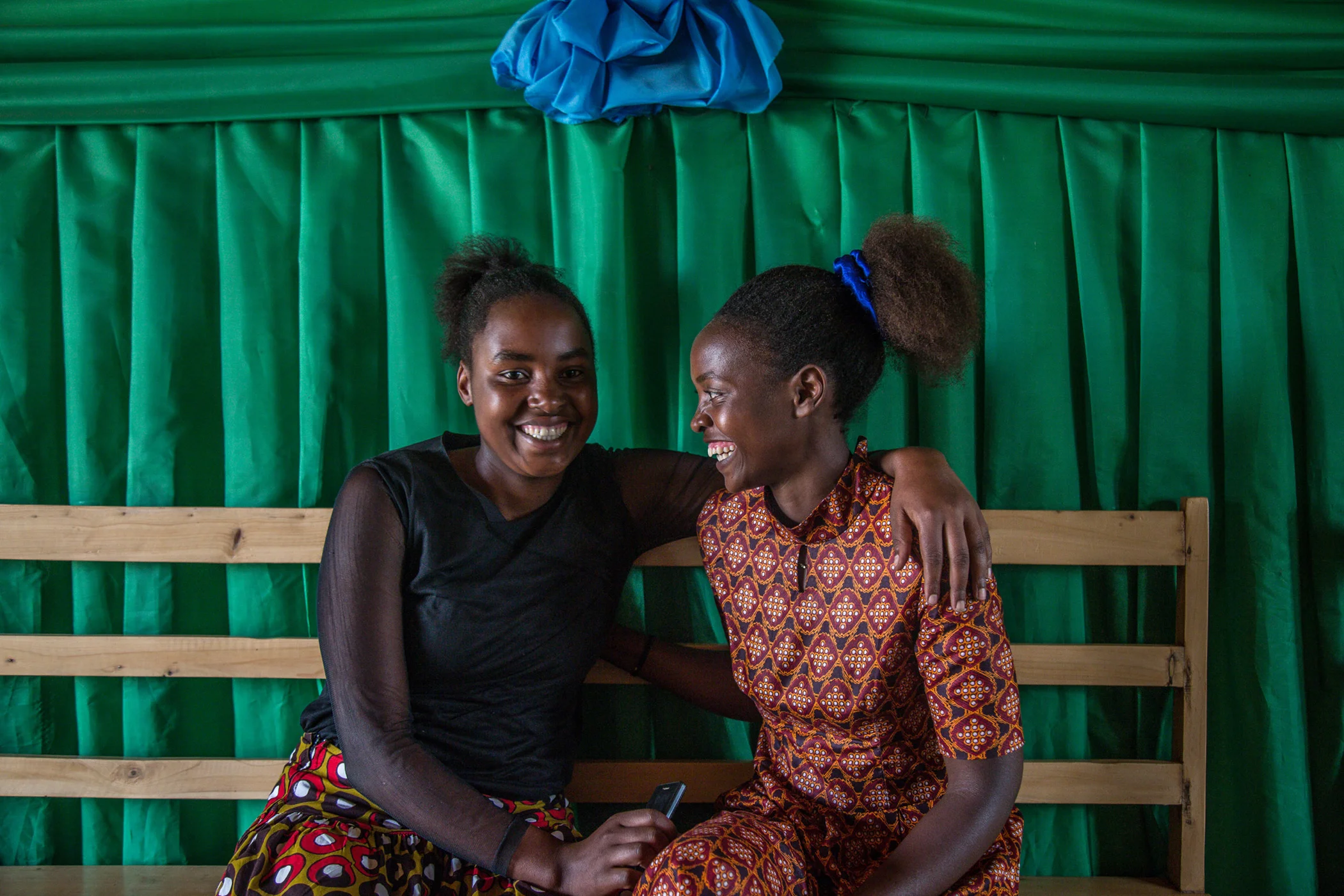 The Imbuto Foundation advances health, education, and youth empowerment in Rwanda. Through its trainings, Joyeuse Mukundente, 23, and Florence Muhawenimana, 25, have learned more about sexual and reproductive health and how to discuss it.
Editor’s Note: This article is a part of Global Citizen's grant-funded content.