At 27, Salvino Oliveira went from being a street vendor in Rio's Cidade de Deus to a city councilor leading education reform. This followed him starting his first social project: making tuition free for poor children at 15 years old. In recognition of his efforts towards making education more accessible, Oliveira has been honored as a 2025 Young Activist Summit Laureate. In 2018, he became an activist, and as civic space in Brazil is obstructed, he was warned of the dangers. Still, he persisted. Here, Oliveira shares how education transformed his life, and why he's committed to making that transformation accessible to every young person in Brazil's favelas.
My name is Salvino Oliveira, and I am everything I've been.
I say this because my story begins in a tiny house in Cidade de Deus, meaning City of God, a favela in Rio de Janeiro. Favelas are Brazil's informal urban settlements, home to millions of working-class Black and brown families. In our house, 23 people lived with only one bathroom. We were extremely poor, sharing beds, space, food, and dreams. At 13, I started working to help my family survive: selling water bottles at traffic lights, candy on buses, working as a street vendor, upholsterer, construction helper — anything honest that could put food on the table.
But Cidade de Deus is more than poverty. It's the Rio neighborhood with the most public squares, making it a natural place for culture, leisure, and community gathering. It's the birthplace of funk carioca — the soundtrack of favela resistance and joy. It's also home to Olympic athletes and artists. These public spaces and that cultural richness shaped who I became, the friends I made, my first loves, the things I believe in.
Then I got lucky. I was selected by lottery to study at Colégio Pedro II, one of Brazil's most prestigious tuition-free public schools. In Brazil, elite families typically send their children to private schools, while public schools serve the poor; a few exceptional public institutions, like Pedro II, offer quality education through competitive lottery systems. That education changed everything. It opened a door that seemed permanently locked for someone from my background. At 15, even while working and living with gun violence all around me, I understood that if this access had reached me, I had a responsibility to give it back.
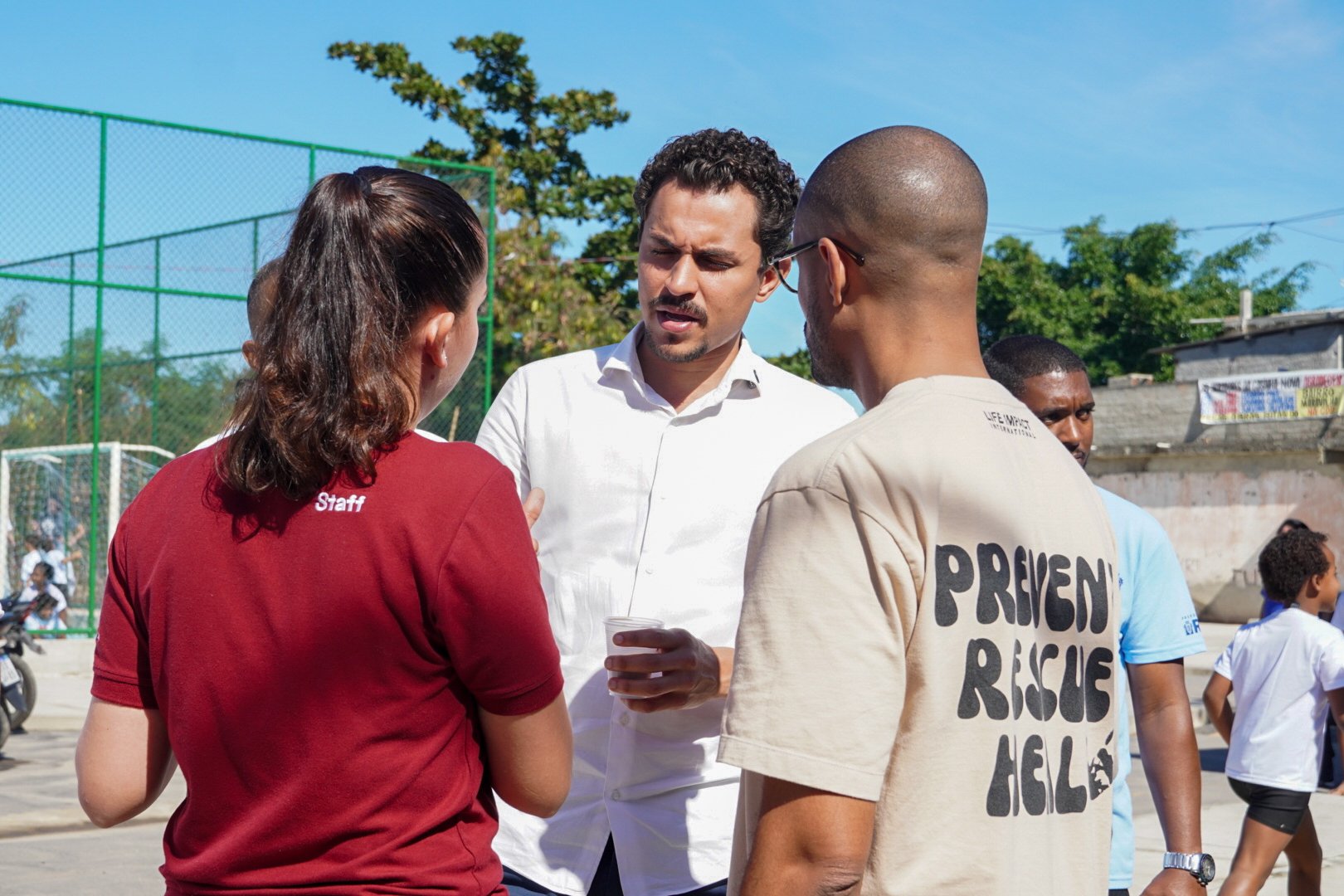
At 15, I created my first social project: free tutoring for children in Cidade de Deus.
When I entered Brazil's federal university system to study Public Administration at Universidade Federal do Rio de Janeiro (UFRJ), a tuition-free institution, like all public universities in Brazil, that social project grew into AfroEducando (later renamed Mais Nós), a community prep course for university entrance exams. Within one year, we had 22 units across Rio's metropolitan region, all volunteer-run, helping first-generation Black students from favelas access higher education.
When the "social bug" bites you, there's no going back — and so the projects continued. I co-founded Projeto Manivela to train community leaders to engage with the government and turn demands into policies. Then came PerifaConnection, a media platform where young people from favelas across Brazil write columns in major national newspapers about politics, economics, culture, climate, and human rights. The idea was simple and radical: we refuse to let other people tell our story for us. Mainstream Brazilian media have historically portrayed favelas primarily through the lens of crime and poverty. Today, favela youth occupy editorial space in national media, changing how Brazil sees its peripheries.
I became an activist in 2018 during the federal military intervention in Rio's security forces. Working at the Public Security Observatory, I saw firsthand how policies treated favelas like war zones, with heavily armed police operations causing civilian casualties. As I became more visible in my community, friends warned me: "Be careful, you're an activist now. This can put you at risk." That's when I understood that fighting for education and rights in Rio means challenging power structures involving politics, money, and organized crime that often operate in contested urban territories.
The pandemic changed everything.
In March 2020, Cidade de Deus became the first favela in Rio to register a confirmed COVID case. Everyone predicted a catastrophe in densely populated communities with limited access to healthcare. What happened instead was extraordinary: community leaders organized a massive solidarity network — delivering water, food, and health information to more than 30,000 families, and proving that favelas take care of their own when the state fails.
But this was also a moment of political rage. Former President Jair Bolsonaro denied the pandemic's severity and opposed public health measures. Our governor talked publicly about shooting people "in the head" and said he wanted to drop a bomb on Cidade de Deus. Our mayor was absent.
When we needed public policy most, we faced triple abandonment. That's when I decided that I couldn't stay only in civil society. It was time to contest power within the state itself.
I had no political connections or family wealth, so I approached Mayor Eduardo Paes with concrete projects. He believed in my work and invited me to become Rio's first-ever Secretary of Youth. I took office at 23 as the youngest secretary in the municipal government's top ranks. Over four years, my team impacted nearly 300,000 young people and helped reduce youth unemployment by 16 percentage points in a city of 6.7 million people — showing how well-designed public policies can change lives at scale.
That work carried me to the city council. I was elected in my first election with over 27,000 votes, more than 90% of them from favelas. Today, I chair the Education Committee with the same commitment — using public institutions to open doors that have always been closed to young people like me.
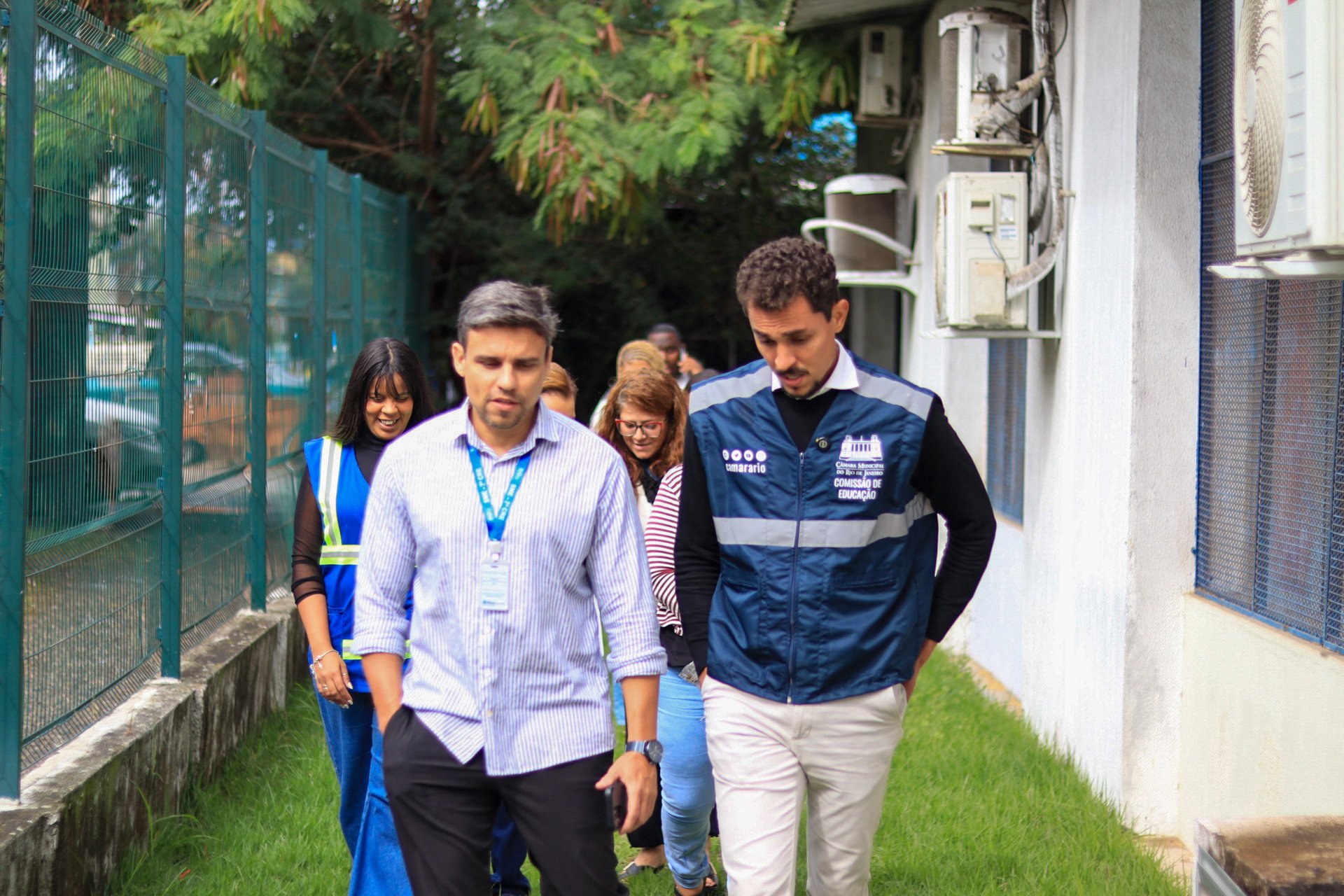
The system needs radical change.
More than 70% of Brazil's municipalities have only one high school. Because of a 2017 high school reform, schools must offer at least two specialized educational tracks out of five possible options — for instance, sciences, humanities, technical training, and others. [Many schools do not, and cannot offer all tracks, especially in municipalities with only one high school.] This means thousands of young people in small towns don't even have the right to dream about certain careers because the track they need simply isn't offered at their local school.
Talent is everywhere. Opportunity is not. That's what needs to change.
Instead of debating moral panics fabricated by culture wars like the existence of unisex bathrooms, we should discuss fair funding for basic education, school construction, quality vocational training, and competitive teacher salaries. For me, school is an inviolable time. When a young person crosses that gate, they shouldn't worry about hunger, or stray bullets from police or gang operations, or unpaid electricity bills. They should only learn — and that requires heavy, sustained public investment.
My struggle for education is inseparable from fighting racism and demanding climate justice.
In Brazil, where Black and brown people comprise 56% of the population but remain disproportionately poor due to structural racism, the Blackest and most peripheral populations suffer most from climate inequality. This includes floods destroying homes in hillside favelas, deadly heat waves in concrete slums without green space, lack of basic sanitation, and environmental disasters. The poorest 10% are primarily Black, living in urban peripheries with minimal access to quality schools, healthcare, and dignified work. This isn't a coincidence: it's the direct result of a country that was the last in the Americas to abolish slavery in 1888 and still hasn't confronted its historical debt to descendants of enslaved people.
This work comes at a cost
Politics is power and money. Any movement threatening established structures causes problems. I've been threatened, prohibited from working in certain areas controlled by criminal groups, and physically assaulted during the election. Today I drive a bulletproof car and have to live in a gated community with 24-hour security, still bordering Cidade de Deus.
I don't romanticize this, nor do I want to be a martyr. I take these precautions because I believe my life, and other favela leaders' lives, is valuable — and because this struggle is collective. Still, none of this has made me consider giving up. My purpose is bigger than any threat.
Hope lives in networks and new generations.
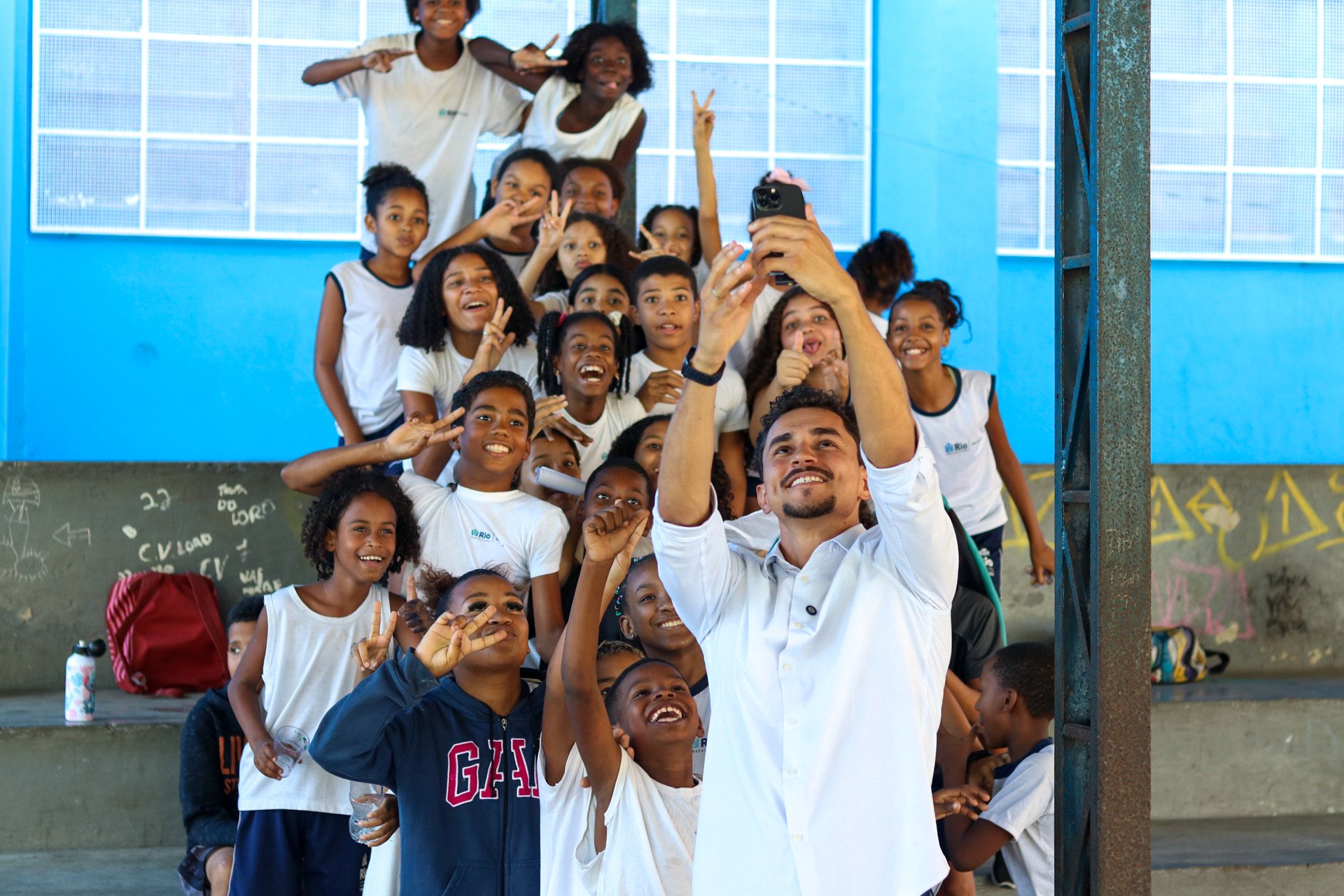
When I was recognized by the Young Activist Summit in Geneva, I cried — not because it was all about me, but because I understood that award as recognition of what we're building together in Rio's favelas. Being seen by a global platform, connecting with young activists from other countries, inspiring new volunteers and partners — all this reinforces my hope.
What gives me most hope is the new generation. Contrary to stereotypes claiming "this generation wants nothing," I see deeply engaged young people worried about the planet, mental health, quality of life, and systemic reform. I've worked in civil society, the executive branch, and now the legislature. Real change isn't about waiting for a "savior" — it's about influencing institutions, occupying councils, pressuring ministries, and never giving up political participation.
If I could restructure Brazil's education system today…
I would increase funding for primary and secondary schools, guarantee all young people access to quality education, and ensure schools offer both strong academic training and relevant vocational preparation. I want a country where no young person chooses between their dream and food; where talent isn't buried by lack of opportunity.
I dream that in a few years we can look back and see that the policies we're building today helped form the first mass generation of Black, peripheral, favela youth — a generation leading decision-making in universities, businesses, parliaments, and global spaces for debate on climate, poverty, and democracy.
Talent is everywhere. Opportunity is not. That's what needs to change. And it will if we keep believing, keep building networks of solidarity, and keep showing up for each other across borders and struggles. The favela is showing the way forward. We just need the world to pay attention and walk with us.
This article, as narrated to Gabriel Siqueira, has been slightly edited for clarity.
The 2025-2026 In My Own Words series is part of Global Citizen's grant-funded content.