In a rehearsal space in Kigali, Rwanda, the atmosphere shifts the moment the music begins. Feet shuffle across the floor. Arms stretch into graceful shapes. Laughter echoes between takes. The room is alive with movement, nerves, and excitement. In the middle of it all are young performers discovering that something they once did for fun could become much more.
For Sherrie Silver, the award-winning, Rwandan-born British choreographer behind Childish Gambino’s iconic This Is America music video, that realization came years ago. Now she’s helping the next generation learn it, too.
Through mentoring young artists in Rwanda, Silver is proving that dance can be a career, a lifeline, and a powerful way to reshape how young people see their future.
When Passion Becomes Purpose
For Silver, dance was never just a hobby.
“When I think about my journey, dance changed my life in so many ways,” she says. “I'm able to put food on the table because of dance. I've been able to support thousands of young people around Africa because of dance.”
“For me, dance is not just something I do for fun,” she continues. “It's my career, and it's my purpose.”
That clarity didn’t arrive overnight. Silver remembers the moment she realized dance could open doors for her.
“I realized that dance could be something bigger than just a hobby when I got my first payment, which was £20,” she said. “I had to split it between myself and about a group of eight. But I felt so proud of myself that I had gotten my first paycheck.”
Her mother wasn’t quite as impressed.
“I was so excited,” Silver says, laughing. “And my mom was like, ‘Girl, that ain't going to do nothing for you.’”
But that small paycheck planted a seed.
Soon, bigger accomplishments followed. As an 11-year-old child, Silver performed for Rwanda’s president, Paul Kagame — an early moment that showed her the power dance could have.
“I realized that dance could open so many doors for me when I saw the opportunities coming through,” she says.
Years later, one project would bring her global recognition.
“Getting an opportunity like [choreographing] This Is America, which literally opened the doors of America, I just realized that dance was a universal language that could truly change lives.”
Sharing African Stories Through Movement
For Silver, dance also carries culture across borders. Each movement carries meaning.
“Growing up in Africa, dance is a part of everyday life,” she says. “Most African cultures have their own traditional dances.”
“There are lots of things that make Rwandan dance unique,” she explains.
For example, the graceful arm movements often seen in traditional Rwandan dance represent cattle horns, which are deeply connected to the country’s culture and heritage.
“When you see the beautiful women put their arms above their head, many times the moves are representing cow horns,” Silver says. “And cows are a huge part of our culture.”
“In fact, if you want to marry a lady in Rwanda, you need to bring some cows.”
Those culturally symbolic movements have even made their way onto global stages.
“If you watch the Kendrick Lamar performance at Move Afrika in 2023 that we did,” Silver says, “there's a lot of that.”
For Silver, sharing African dance with the world is a point of pride.
“I love the fact that even though I'm working around the world, I can share my culture with the world,” she explains.
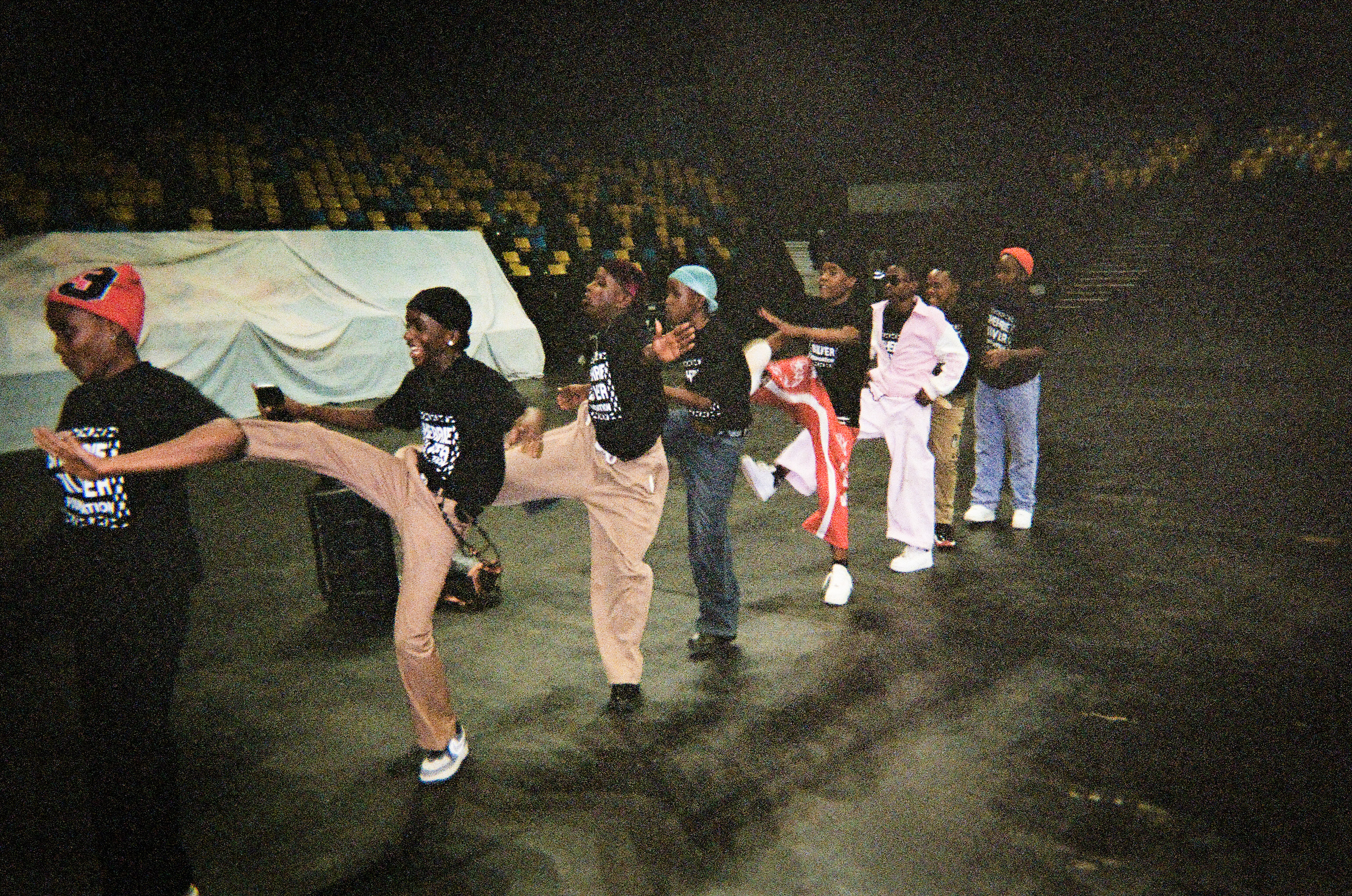
Young dancers rehearse together in Kigali, Rwanda. Sherrie Silver’s foundation is helping Rwanda’s emerging performers develop their talent and prepare for opportunities on global stages. Image: Jordan Hidalgo
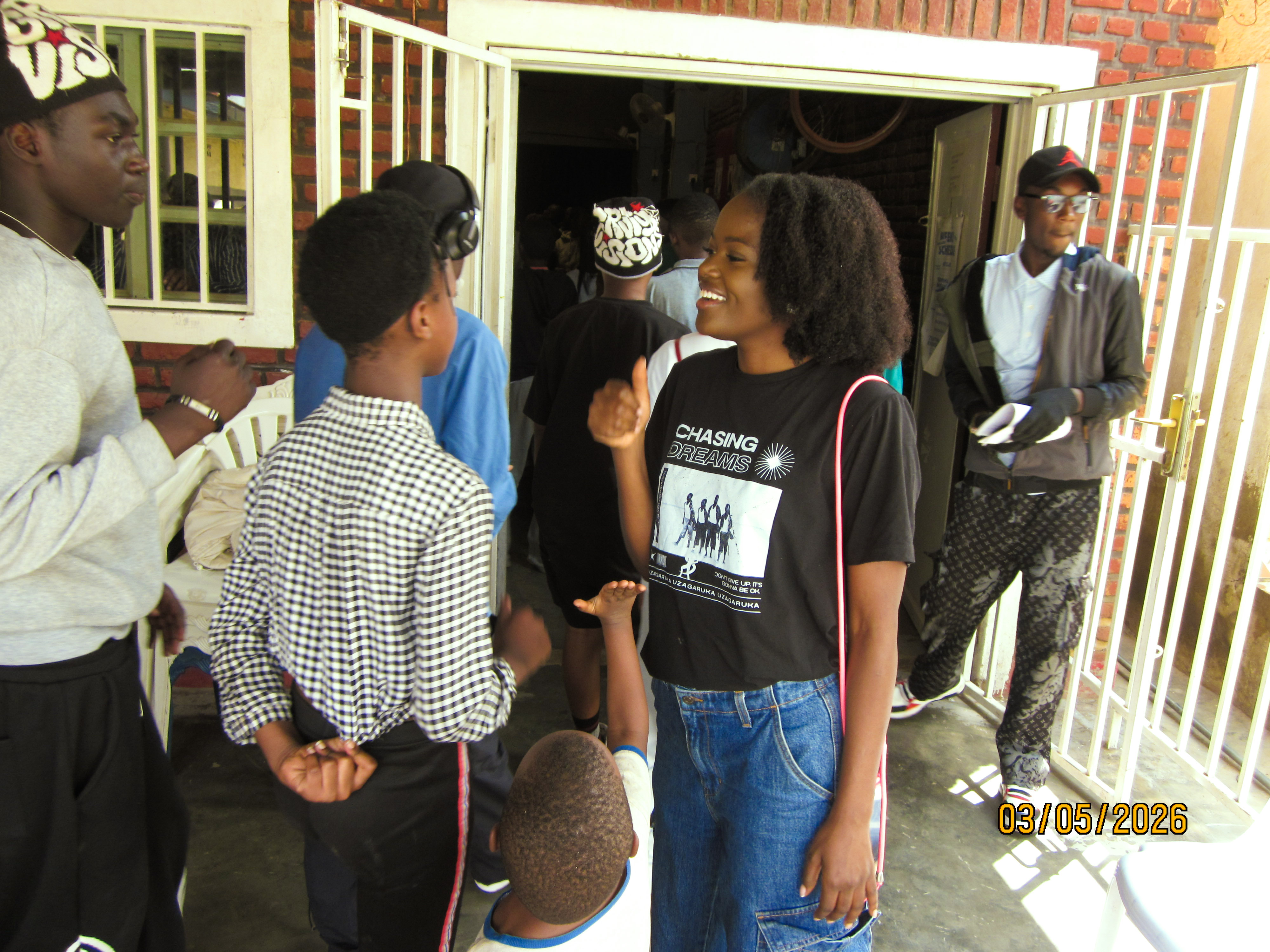
Young performers gather between activities at a Sherrie Silver Foundation session in Kigali, Rwanda. The organization gives emerging dancers and singers access to mentorship, training, and industry opportunities. Image: Jordan Hidalgo
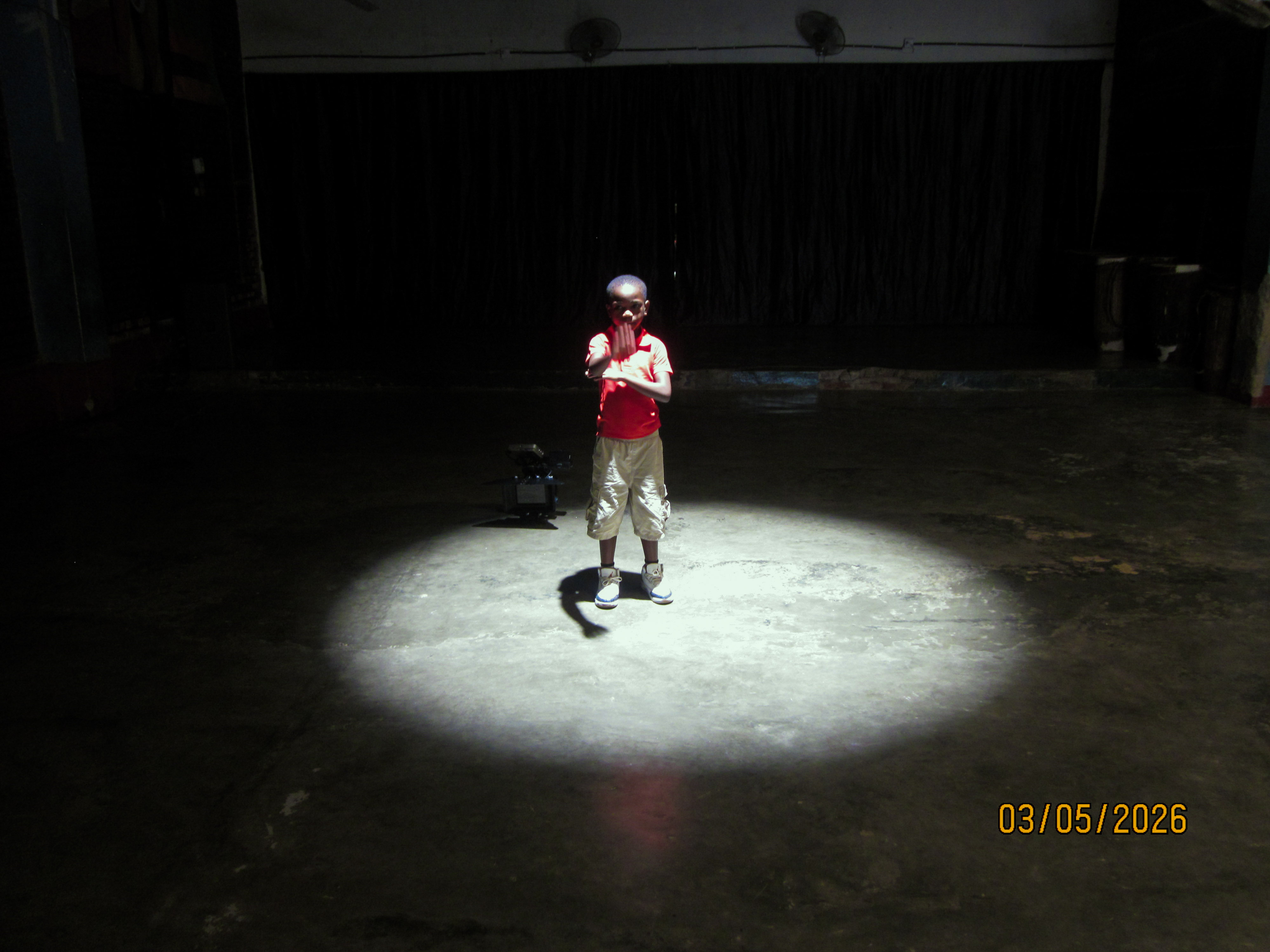
A young performer stands under a spotlight during a rehearsal in Kigali, Rwanda. Through mentorship and professional training, the Sherrie Silver Foundation helps young artists pursue careers in the creative industries. Image: Jordan Hidalgo
Creating Opportunity for Young Performers
Silver founded her organization to give young artists in Rwanda something she believes they are often denied: opportunity.
“I was inspired to start the Sherrie Silver Foundation because I wanted to invest in young dancers, singers, and talents in Rwanda,” she says.
Growing up in the UK, Silver saw dance treated as a legitimate career. But she noticed a different narrative across many African communities.
“You're always told you have to be a doctor, you have to be a teacher,” she adds. “Dance is just something you do for fun.”
Silver wanted to challenge that idea by showing what was possible.
“I realized that young people in Rwanda needed somebody to inspire them,” she says. “Someone who has a story that has shown success through dance.”
Just as importantly, they needed the infrastructure to succeed — that means training, mentorship, and industry connections.
“We don’t have the right spaces,” she says. “Young people needed someone to believe in them and connect them to the industry.”
Since launching the foundation, she says the impact has been life changing.
“We’ve seen so many opportunities come for these kids,” she says. “We’ve seen lives change not just in terms of their career, but also their personal development and livelihood.”
“When I'm Dancing, People Are Happy Because of Me”
The young performers in Silver’s program report that dance offers something powerful: confidence and joy.
“What I love most about dancing is the way when I'm dancing, the people are happy because of me,” says 16-year-old Linsey Davis. “It feels like I'm on top.”
Another student echoed the feeling. 14-year-old singer and dancer Denzil says, “The thing I love most about performing is spreading positivity.”
“When I see people I'm performing for be happy, it makes me happy too.”
Many students first found their passion simply by watching performers online.
“I saw people perform on big screens on television,” one student says. “I started doing it because I loved it,” he adds. “But now I turned it into a career.”
A Safe Space to Dream
Beyond the stage, dance has provided something even deeper for the young performers.
“Dancing gives me peace and motivation,” one student adds. “It gives me confidence.”
Another described dance as a refuge from everyday pressures.
“When I dance, I forget those math problems,” he says. “I forget about that hard homework,” he laughs. “Dance is my safe space. My secret room.”
For these young artists, movement isn’t just expression — it’s a way to process life, stress, and hope.
The Moment Everything Changed: Move Afrika
One of the biggest turning points for many of the young performers came when they had the opportunity to perform at Move Afrika, Global Citizen’s long-term effort to build up an international touring circuit and drive creative economic investment and job opportunities across the continent.
For the students, the experience felt almost unreal.
“I could not believe it,” one performer says. “It was my dream to be on the same stage with Kendrick Lamar.”
For many, it was the first time in front of a crowd that large, drawing more than 8,000 people at BK Arena in Kigali.
“It was my first time dancing for many people,” another student says. “I felt I was on top of the world.”
Performing on that stage changed how they saw themselves.
“The experience changed the way I see myself,” one performer expresses. “Because after that, people came to me like, ‘Hey, I'm a big fan.’ And I was like, ‘How do you know me?’”
The moment expanded their dreams.
“My dream is to become a global icon,” another student says. “I want to be known by the whole world. I want to inspire other young kids who have talents and show them that everything is possible.”
Believing Everything Is Possible
For Silver, the real reward isn’t the applause or the international recognition. It’s hearing how her students talk about themselves now. The children who once watched performers on screens at home imagine themselves there now, too. The young dancers who first stepped into rehearsals unsure now speak confidently about stages, crowds, and futures far beyond Kigali.
One student describes the shift simply.
“When I was dancing with Kendrick Lamar,” he says, “I [felt like] I could dance with anyone. Anything is possible.”
But Silver knows the deeper transformation isn’t only about stages or opportunities. It’s about instilling the belief that a young person’s voice, movement, and story matter.
And in a rehearsal room in Kigali, where music hums and young dancers practice the same steps again and again — that future is quietly unfolding.