Zia Forogh is a singer, musician, visual artist, gallerist, art teacher, and activist from Afghanistan, where civic space is closed. In 2014, he and his wife founded the Daira-e-Khiyal Gallery, where they showcased Afghan art and offered young people the chance to learn art and music. As a well-known public figure and a member of the persecuted Hazara minority, Zia and his family faced death threats from the Taliban, who considered his performances anti-Islamic. After the Taliban returned to power in 2021, he was forced to close the gallery, hide his instruments, and move repeatedly to evade them. Eventually, he and his family were able to leave Afghanistan in 2022. Today, he lives in Germany. He is supported by the Artistic Freedom Initiative (AFI), which provides holistic support to artists at risk, including legal protection and resettlement, as well as public engagement and advocacy. AFI works to empower artists whose freedom has been restricted and to shape the policies and systems that affect artistic expression worldwide.
In his own words, Forogh shares what it means to start over as an artist in exile.
My name is Zia Forogh. Art has been a part of my life for as long as I can remember.
It is not just a profession. It is my language.
I sang and made music from an early age. I wanted to study music, but my university did not offer it, so I chose painting instead. Music, however, remained part of my life. Alongside my studies, I continued playing the dambura and singing.
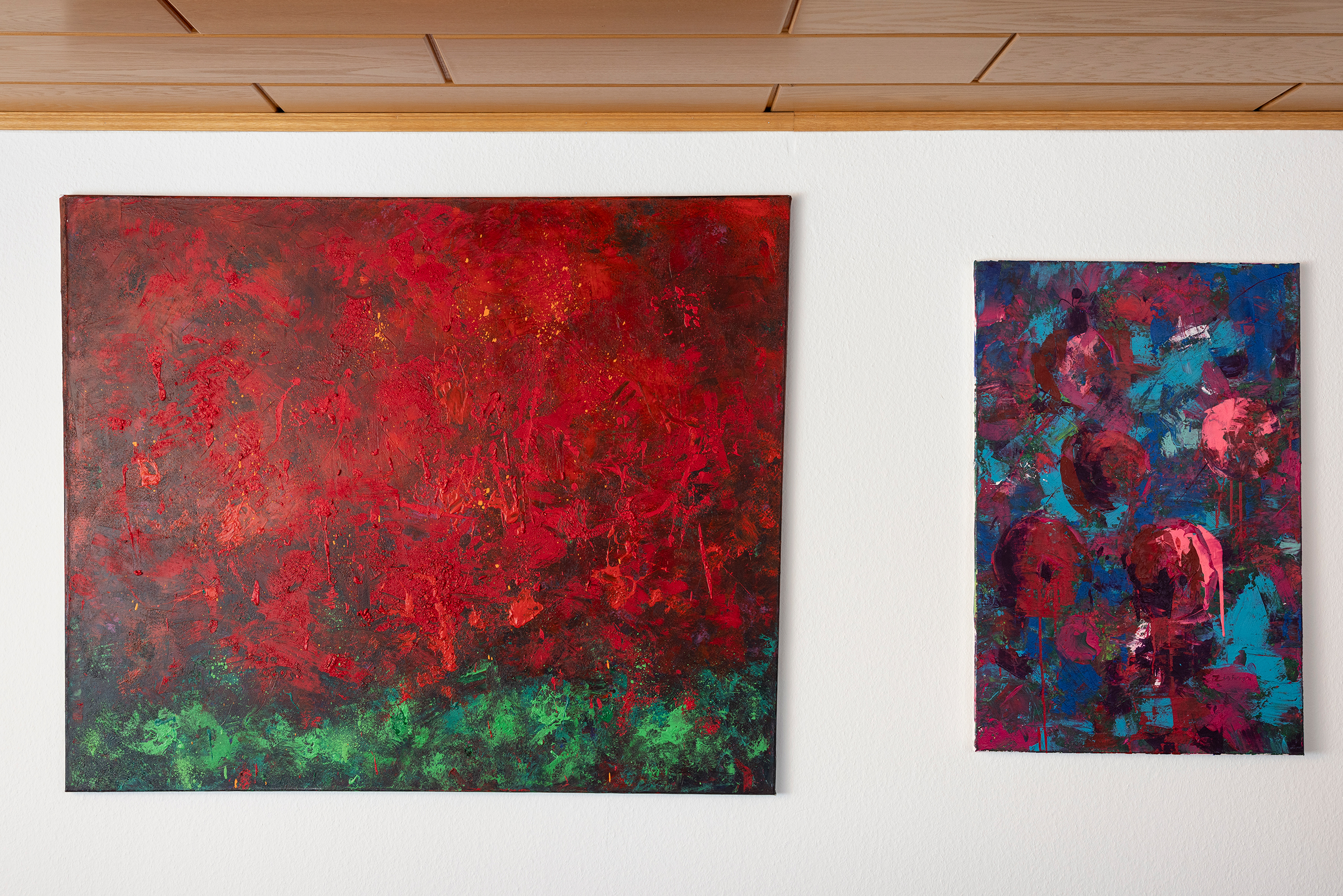
After completing my art degree at Herat University, I had no money and could not even afford painting supplies. So I began painting with tar. What started out of necessity also came to make sense to me as an artist.
For me, art has never been only about beauty.
It has always been about making people and their stories visible, especially those often neither seen nor heard. In Afghanistan, it is impossible to live freely. The Hazara, the community that I am also a part of, have been systematically persecuted, oppressed, and killed for decades.
Even so, I was able to pursue my calling in Afghanistan for almost ten years after finishing my studies. I worked as an art teacher and, together with my wife, built the gallery, "Daira-e-Khiyal." I also made a name for myself internationally, with exhibitions in Dubai, Iran, Australia, and the United States, among other places. Throughout this time, I repeatedly voiced my criticism of the Taliban and drew attention to the situation of women in Afghanistan through my art and in radio and television interviews. Even then, I always kept Pakistani visas ready for my family [in case I needed to flee].
Zia Forogh
Paintings by Zia Forogh are pictured in his home in Germany.
Zia Forogh
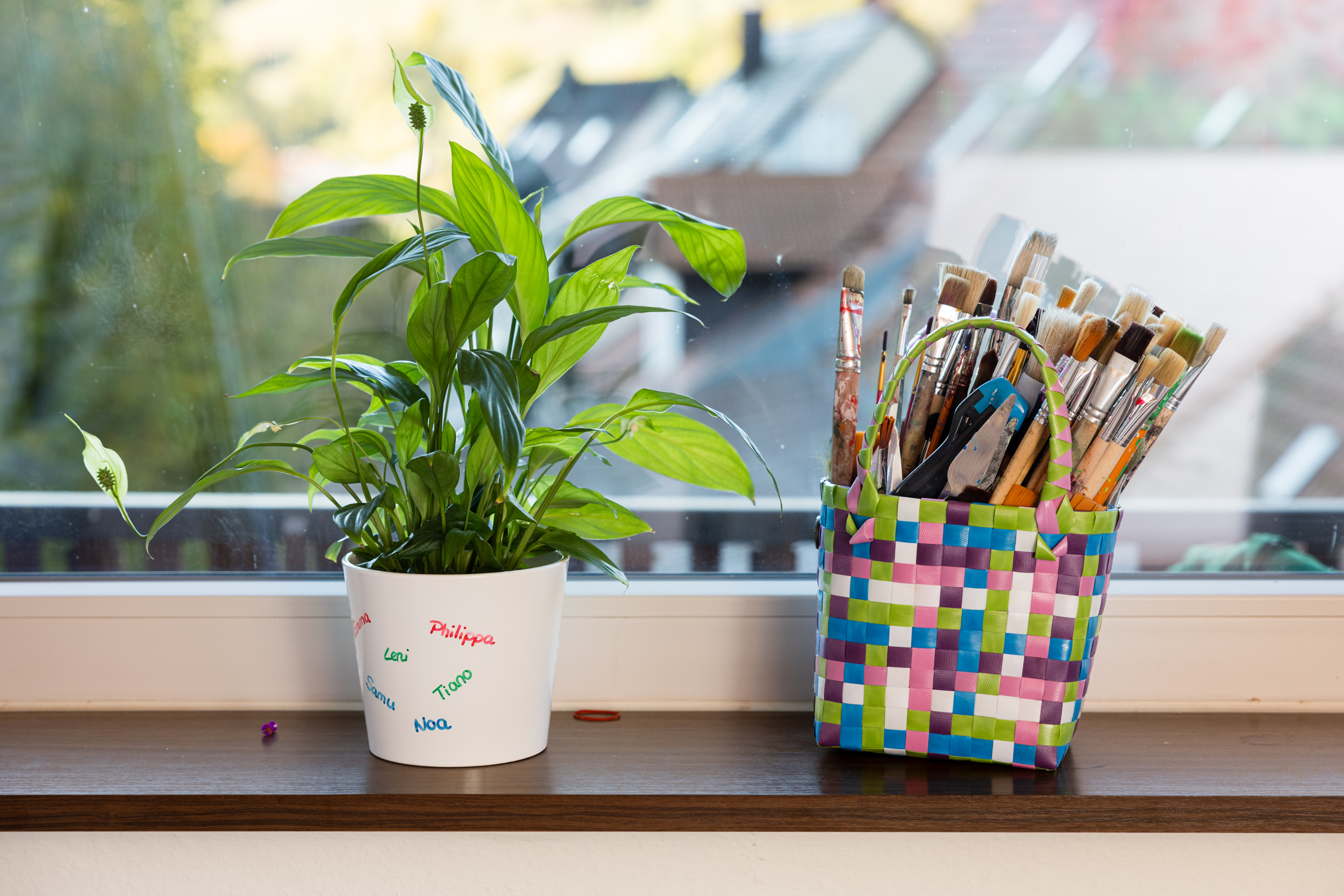
While looking for a studio, Zia Forogh continues his work from his living room, overlooking the rooftops of his neighbors and the Black Forest beyond in Eschbach, Germany.
Zia Forogh
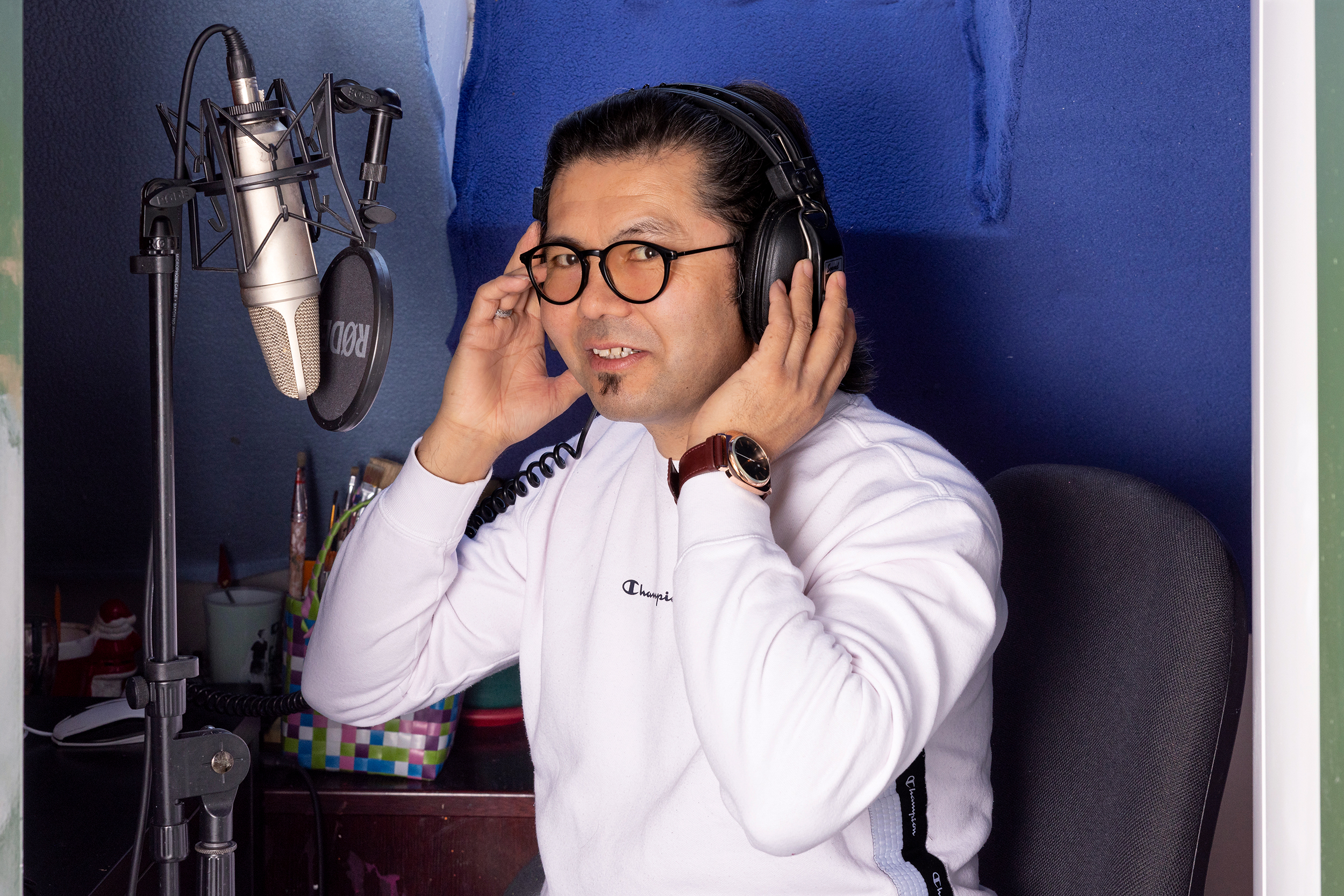
Afghan artist and musician Zia Forogh is pictured in the recording studio at his new home in Eschbach, Germany.
I knew that if the Taliban came, I would have to leave.
When the Taliban took power in 2021, my life changed completely. It became practically impossible for me to work, and the art institute where I taught also closed. The Taliban viewed me with suspicion because I was Hazara and a fairly well-known artist.
I had to move several times because the Taliban kept finding out where I was staying. On one occasion, they found me and detained me at one of their centers. They found out I was planning to flee. Thankfully, someone I knew had connections to the Taliban and was able to get me released, but I knew that my wife, our three children, and I were no longer safe in Afghanistan.
Through my international work, I knew several journalists. After the takeover, they called me regularly to ask how I was doing, and many offered to get me out of the country. For months, however, the situation was so chaotic that it was almost impossible to reach the airport.
In the summer of 2022, AFI contacted me. They were exploring with the German Foreign Office ways to get my family and me out of Afghanistan. About a month later, the office called me and let me know that the German Agency for International Cooperation (formally, Deutsche Gesellschaft für Internationale Zusammenarbeit, or GIZ) would bring us to Islamabad, Pakistan and then to Germany.
I remember vividly leaving Kabul in the middle of the night and arriving at the Pakistani border right before sunrise. I will never forget our departure from Afghanistan and all the support we received. The AFI stayed in contact with me throughout the entire process.
When we arrived in Germany, we were safe, but the trauma was still there. For months after we arrived, I constantly felt as though I was being followed on the street. Again and again, I had to tell myself: "Zia, you’re safe. No one is following you here."
In Germany, we had to start over from scratch.
When artists have to leave their country, they lose many things at once.
They lose their work, their professional network, their contacts, their audience, and, sometimes, part of their identity. Today, when people ask me where I come from, I answer: “I don't have a country. The whole world is my country.” Borders are political, but I always want to think and work globally. For me, there is also a certain security in being an artist anywhere. Art is my true identity.
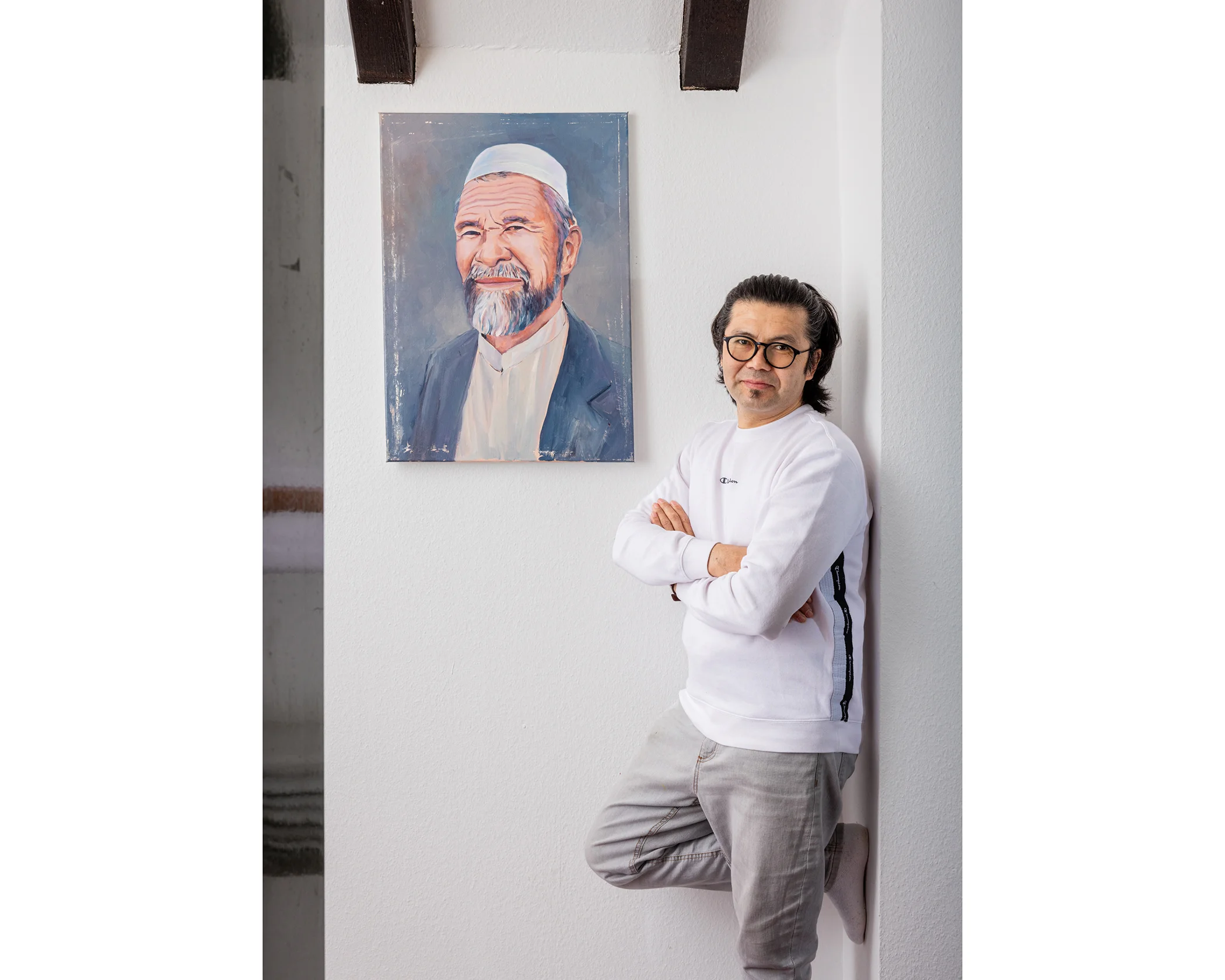 Zia Forogh stands beside his portrait of his father in the hallway of his new home. Forogh says, "I created this portrait during a time when I deeply missed my family and my homeland. It was out of this profound longing that I painted my father."
Today, my work is still shaped by themes such as women’s strength, the experiences of the Hazara, migration, and war. At the same time, I also want to show that Afghanistan is more than violence and hardship. Afghanistan also means memories, music, art, and culture; a rich country where people live with wishes and dreams. I want to show not only pain, but also dignity, resistance, and hope. My goal is to make people pause in front of a painting, feel something, ask a question, or see an issue differently.
The support of the Artistic Freedom Initiative was very important to me.
Organizations like AFI can help artists find safety and keep their voice. Safety is a basic requirement, but on its own, it is not enough to keep working as an artist. Artists also need professional connections, places to work, and support as they become part of a new society. Truly helping an artist means allowing them to work independently again.
My family now has a future again. My wife is training to become an early childhood educator. My daughter wants to become a pediatrician. One of my sons wants to become a teacher, while the other wants to work in cybersecurity.
In Germany, I have a network again and exhibit my work. I am also having my degrees recognized so I can teach art in schools. Teaching is an additional professional opportunity for me, but my work as an artist will keep being my main focus.
In my work today, I am very much concerned with the concept of "home."
Where is my home?
Is it the house I live in, or the ground it stands on? Can it be in my backpack? Or is my home in my head?
For me, one thing is clear: you can drive an artist out of their homeland, but you cannot take away their memories or their voice. As long as I can work, I will try to carry that voice forward through my art.
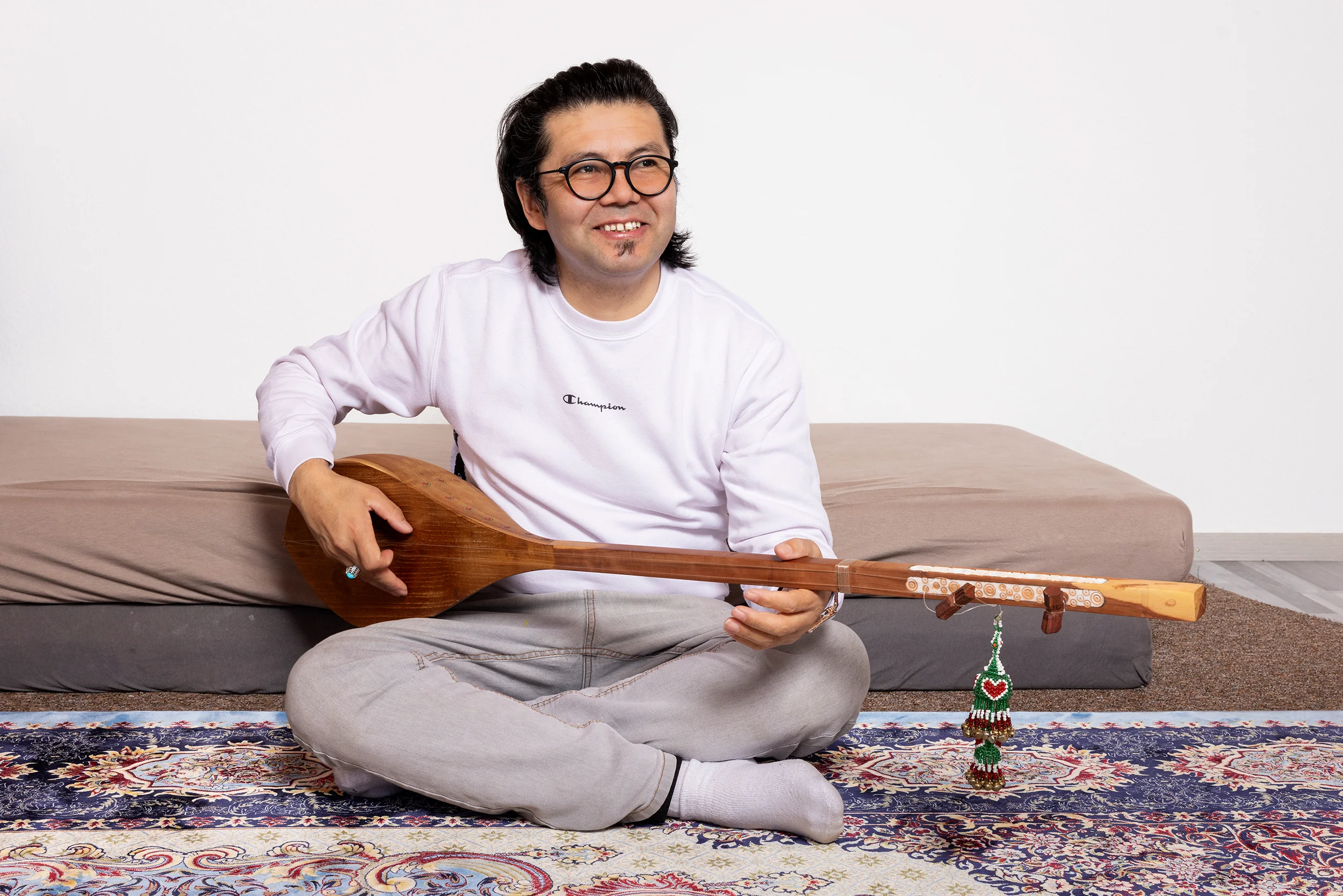 Afghan artist and musician Zia Forogh plays a dambura at his new home on Oct. 31, 2026 in Eschbach, Germany. The pearl talisman was given to him by his mother.
This article, as narrated to Janina Mengelkamp in German, has been translated into English and slightly edited for clarity.
You can learn more about Zia and support his work by following him on Instagram and YouTube.
The In My Own Series is part of Global Citizen’s grant-funded content.