Açaí, often called the “black gold of the Amazon”, is more than just a food source. For many families, it is tied to daily meals, seasonal income, and a way of life shaped by the river. Pará leads Brazil in both açaí production and exports.
In 2024 alone, over 60,000 metric tons were exported to markets including the United States and Japan, reflecting growing demand and a wide range of uses.
According to IBGE, the açaí production chain generated R$800 million in 2024 and could reach up to R$1.5 billion when informal activity is included.
In Pará, açaí is part of daily routine — bought fresh, prepared quickly, and shared at home. Riverine families who harvest the fruit from tall palms may consume several liters a day, according to local estimates. Beyond nutrition, açaí supports local livelihoods. Harvesting, processing, and selling create income across the supply chain for families throughout the region. But turning that work into stable income is not always straightforward.
When Distance Makes Basic Services Harder
Despite the fruit’s importance, many açaí producers have limited access to reliable internet and nearby banking services. It is estimated that over 22 million Brazilians still do not have access to the internet, and the North region of the country is among the most affected by this lack. Limited connectivity can make it harder to use tools such as digital sales platforms or remote mapping services, which can slow growth for small-scale producers.
Limoeiro do Ajuru: What Remoteness Looks Like in Practice
Limoeiro do Ajuru, a municipality of approximately 27,760 residents, illustrates how distance and connectivity can shape access to services. Reaching the town can require long road travel followed by ferry and boat trips, which makes routine errands — like opening an account or resolving a banking issue — much more difficult. With few bank branches, inconsistent internet, and complex logistics, everyday tasks can take more time and cost more for local producers.
Expanding access to financial services in remote regions often requires approaches that account for local realities and higher service-delivery costs. That can mean adjusting onboarding, customer support, and credit assessment to match how people live and work in each area.
In the Amazon, many residents still have limited access to basic financial services, which can widen economic gaps over time. When formal credit is hard to access, some families rely on informal borrowing, which can carry higher costs and fewer protections. Small businesses may also find it harder to expand when they cannot access predictable financing or advice.
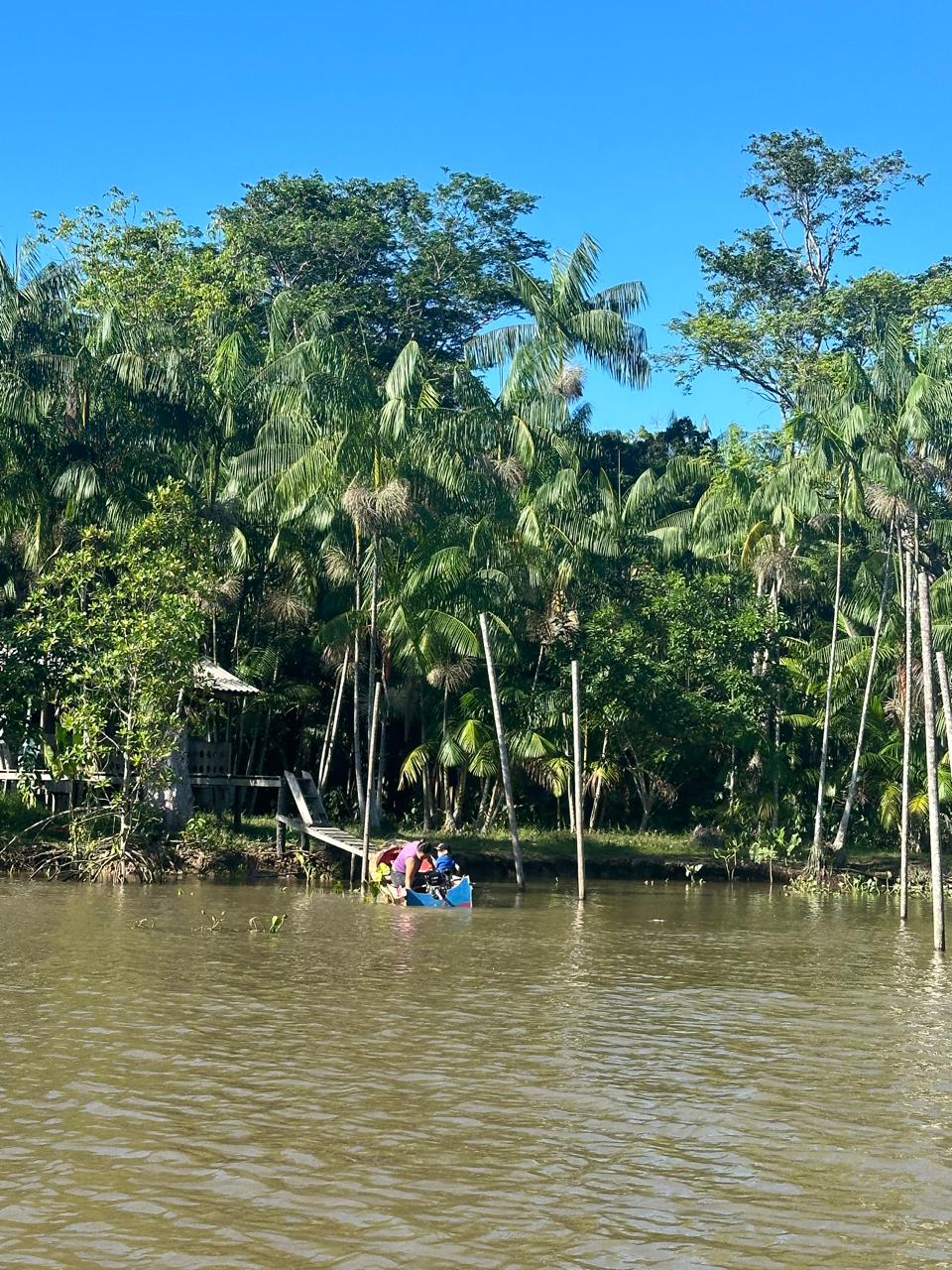
Riverine communities in Pará rely on the Amazon’s waterways to harvest and transport açaí, often travelling long distances to access markets and basic services. Image: Supplied
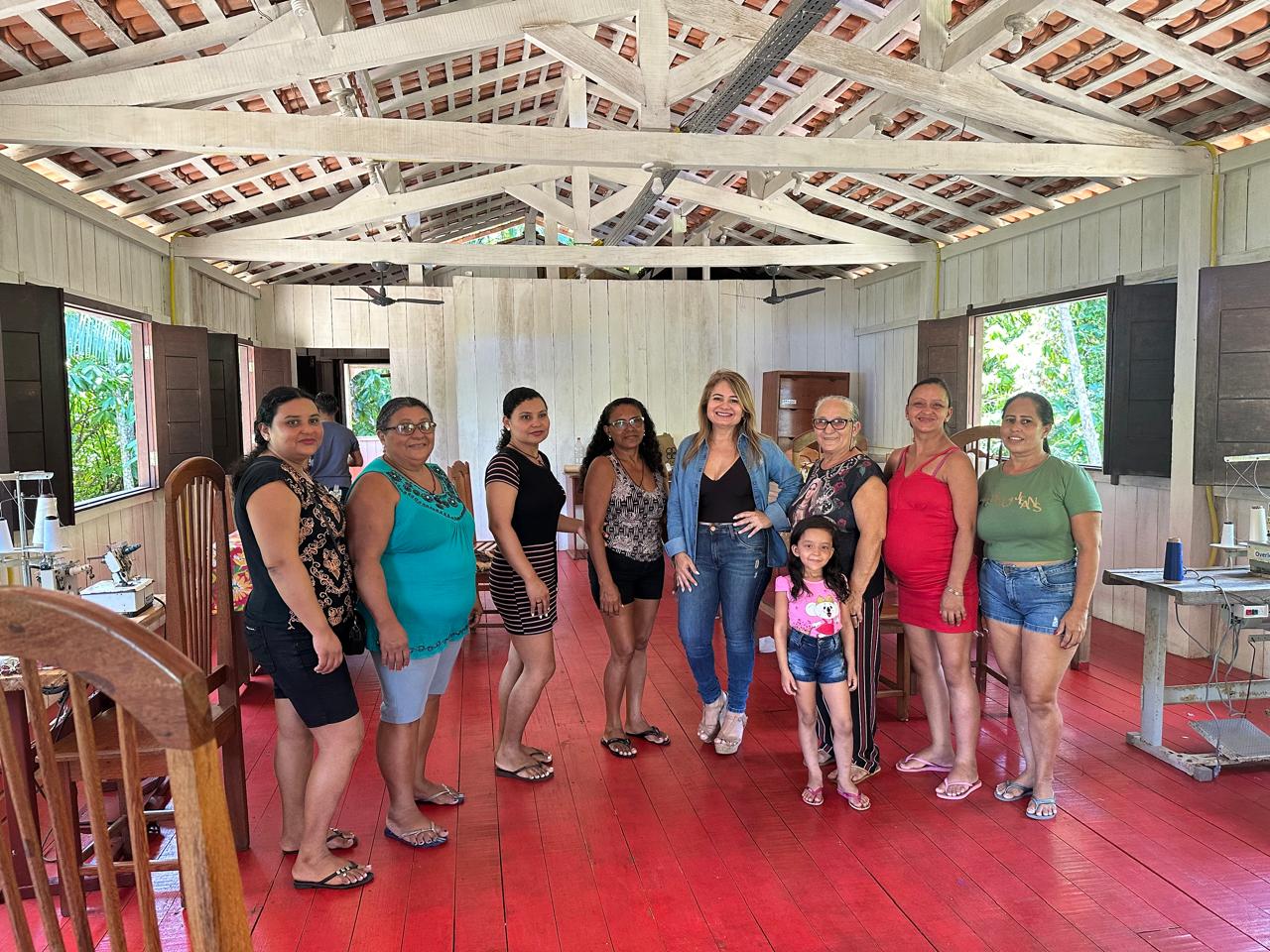
Women from riverine and extractivist communities gather in a shared workspace in Pará, where local production and skills training support household income and community livelihoods. Image: Supplied
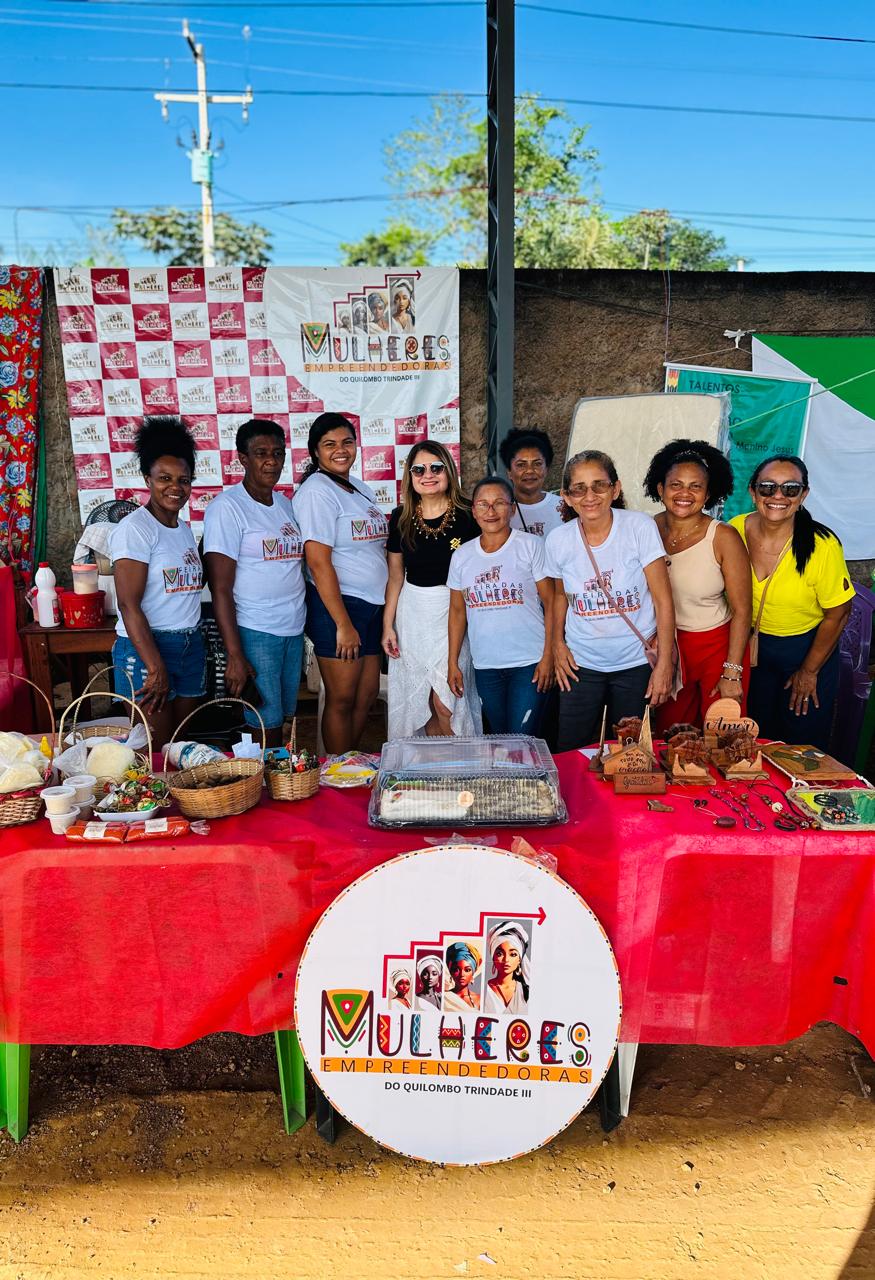
Members of Mulheres Empreendedoras do Quilombo Trindade III showcase locally made products, highlighting how access to finance and markets can strengthen women-led businesses in remote communities. Image: Supplied
Bringing Banking Services Closer to Home
In response, Banco do Brasil identified ways to extend credit access for açaí producers. Before this effort, local reporting indicated that none of the producers in Limoeiro do Ajuru had a checking account, limiting access to formal financing. “If I had to go to Cametá to open a bank account, I would have to leave my community for almost two days as the journey is long and challenging for us”, says Claudia Pantoja Pastana, who lives in a riverine community along the Ajuru River.
With support from the Bioeconomy Hub, Banco do Brasil teams traveled to the region with mobile technology and in-person support. Over two stages, 114 accounts were opened, enabling up to R$5.36 million in potential credit. For residents, the change was practical: fewer long, costly trips to other towns and more access to routine services close to home. Over time, that kind of access can help households plan, save, and invest more confidently.
What Changes When Access Improves
“When we live in riverine communities, everything can feel very far away, especially when we want to start a small business. It’s expensive and exhausting,” says Rosileide de Souza Silva, who is part of a traditional extractivist community in Limoeiro do Ajuru. This locally tailored approach may be relevant in other remote municipalities with similar barriers.
As Tarciana Medeiros, President of Banco do Brasil, emphasises, public financial institutions have a strategic role in empowering communities like Limoeiro do Ajuru. She argues that sustainability is a collective mission and underlines the need for inter-institutional dialogue to achieve a fair ecological transition in Brazil. “More than ever, we need synergy between institutions to help our country build lasting, inclusive solutions that are compatible with the environmental, social, and economic commitments we have made as a nation,” she affirms.
Why Locally Designed Finance Matters
It’s not only about offering banking products. It’s about making it possible for more people to plan, save, invest, and manage day-to-day expenses without losing days of work to travel. With secure accounts and access to appropriately priced credit, families can organize finances more easily and reduce reliance on high-cost borrowing. Over time, that can support local business activity.
The Amazon’s bioeconomy depends on the practical connection between tradition and technology. When financial services are designed around local realities — distance, connectivity, seasonality, and cash flow — families and small businesses are better positioned to stabilize income and invest in the next harvest.