Talking about the climate crisis isn't easy. The topic has become one of the most popular in the media in recent years, but discussing it more broadly is still challenging for many of us. Maybe it’s because we don't want to increase eco-anxiety, perhaps because we don't want to think too much about what the future holds if solutions aren't seriously addressed.
So, how can we engage with the subject more effectively?
"We believe that culture can – and should – play a central role in the climate agenda," says Leonardo Menezes, founder of Outra Onda Conteúdo, which designs and implements experiences designed to engage audiences with global solutions to engage audiences with global solutions. In partnership with the creative agency C de Cultura, last year they launched the groundbreaking research project "Culture and Climate - Perceptions and practices in Brazil", where they interviewed 2,074 Brazilians on how culture can help to build a more sustainable future.
The research demonstrated that 82.1% of respondents are concerned about climate change, but 11.3% have little or no knowledge about the subject, and 50.8% stated that they have average knowledge about the topic. "Climate change is the most complex collective action problem in human history. It requires billions of people, across wildly different languages, circumstances, and levels of culpability, to change behavior simultaneously, driven not by fear alone, but by some shared sense of what the future could be. Information helps. Data helps us understand where we are, but data has never once moved a crowd to tears," says Menezes.
But art does.
The evidence from the report shows that culture possesses a significant power for social mobilization, capable of informing and engaging audiences on climate change in ways that conventional policy instruments cannot replicate. Research participants recognized that culture is an important source of information about climate (83.5%) and that culture inspires concrete actions (62.6%).
"The public not only consumes culture but also sees it as an ally in the climate agenda. There's demand for content that connects art, knowledge and action," says Menezes. However, the report also finds that cultural policies have not yet integrated climate-related objectives consistently or effectively, and that companies and festivals, despite their reach, still show low effective engagement with climate action. The infrastructure for culture to play this role exists. Formal mechanisms to support this role remain limited.
The UK's Creative Industries Policy and Evidence Centre reached similar conclusions from a different angle. Their landmark report on creative industries and the climate emergency found that beyond the sector's obligation to decarbonize its own operations, the creative industries carry an intangible but potentially decisive role: influencing the cultural shifts, attitudes, and behaviors linked to the societal transformations Net Zero requires.
The gap between what culture could do and what it is currently being asked to do is, in both reports, enormous.
The Pavilion That Changed the Question at COP
At COP28 in Dubai in 2023, Samuel Rubin, Gunjan Nanda, Kirsten Wessel, and Pooja Tilvawala, decided to launch the Entertainment + Culture Pavilion (E+C Pavillion) in the UNFCCC Blue Zone. This initiative aimed to give the creative and cultural sectors a dedicated and formal space within the official climate negotiations. Over 12 days, the pavilion hosted more than 100 events with 150-plus partners.
This initiative brought attention that climate conferences needed not only ambitious targets to address the climate crisis but also imagination on how to achieve them. "We respect that policymakers and scientists had spent decades making the rational case for action in the climate agenda. However, without including arts as part of the climate agenda, we will have a huge gap between commitment and transformation," says Rubin. For Rubin and his colleagues, a cultural pavilion at COP can be the answer to that gap. "As members of the creative sector, we hold immense power to shape mainstream perspectives, raise awareness on important issues facing our planet, build shared understanding and consciousness, and encourage behavioral change."
Since Dubai, the E+C Pavilion has traveled to countries such as Thailand, the United States, and Brazil, building a bridge between the formal climate negotiations and the creative industries that have always known how to reach people. They are now a constant presence in UNFCCC conferences, reminding everyone that culture – music, poetry, film, visual arts, storytelling – is a valuable tool for communicating climate-related issues. The E+C Pavillion is designed to make permanent what has too often been incidental: the presence of artists and cultural leaders at the table where discussions about future climate policy take place.
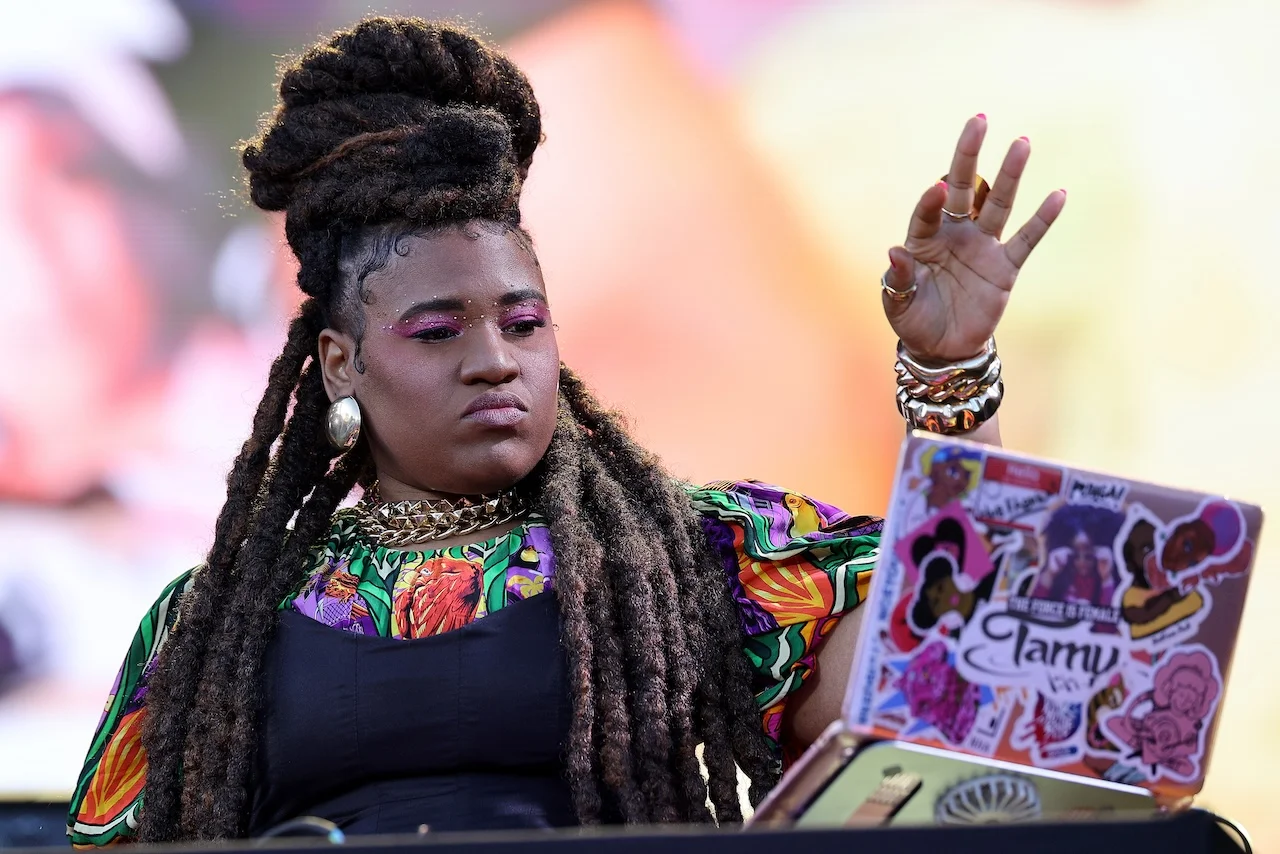 DJ Tamy Reis performs at Global Citizen LIVE: Rio de Janeiro, helping set the tone for a day of music, culture, and action in Rio de Janeiro, Brazil, on June 6, 2026. Image: Getty Images
Music Has Been Doing This Work for a Long Time
Music has long helped people connect with urgent social and environmental issues. In 1971, Marvin Gaye's What's Going On captured concerns about pollution and environmental degradation before climate change became part of mainstream public discourse. In 1985, Live Aid raised millions for famine relief and helped bring a distant humanitarian crisis into living rooms around the world. Music has a unique ability to make complex issues feel personal, transforming abstract challenges into stories that resonate with people.
At Global Citizen, we have seen this power firsthand. Our events bring together artists, advocates, and communities to create opportunities for people to learn about issues, raise their voices, and take action. The music draws people in, but the goal is to help turn awareness into engagement.
Last year, Global Citizen Festival: Amazônia helped unlock more than $1 billion in commitments to protect the Amazon, supporting Indigenous-led and nature-based funds, including The Chief Raoni Legacy Fund, Fundo Flora, and the Forest Threats and Fire Prevention Fund.
Those commitments were backed by the voices of people around the world, who took 4.4 million actions — the highest number in five years — calling on governments, businesses, and philanthropic organizations to increase their support for people and the planet. Their participation was inspired by the artists, speakers, and community leaders who helped bring these issues to a global audience.
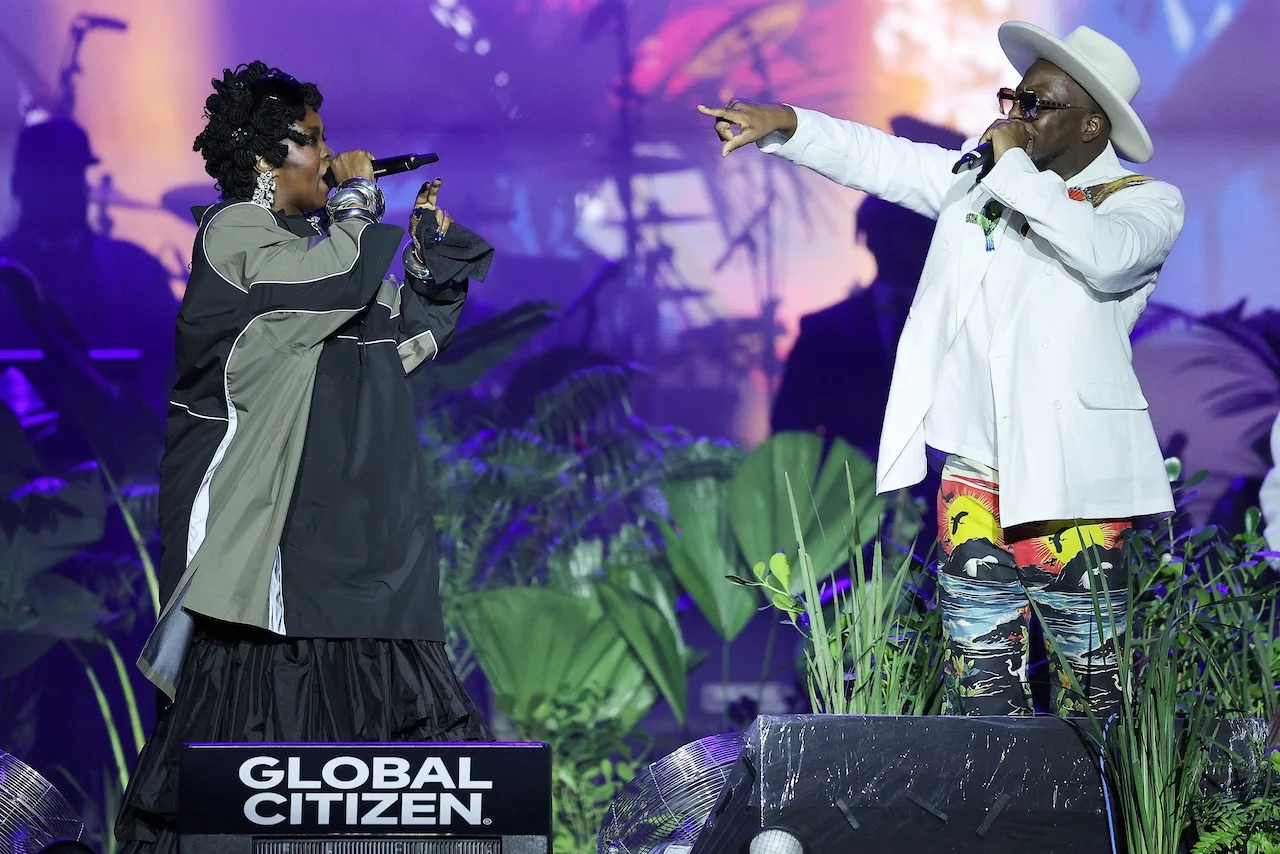 Ms. Lauryn Hill and Wyclef Jean take the stage during their headlining set at Global Citizen LIVE: Rio de Janeiro, bringing decades of musical influence and cultural impact to audiences gathered at Enseada de Botafogo on June 6, 2026. Image: Getty Images
A Reunion With a Purpose
When Ms. Lauryn Hill and Wyclef Jean took the stage in Rio de Janeiro, they contributed to a global conversation about the future of the planet that reached millions of people.
Lauryn Hill and Wyclef Jean reunited to mark the 30th anniversary of the Fugees' seminal album The Score. Hill previously joined Global Citizen at Global Citizen Live in 2021, where she and the rest of the Fugees surprised a New York audience. She returned in 2023 to co-headline the Central Park festival, celebrating the 25th anniversary of The Miseducation of Lauryn Hill.
Through these appearances, Hill has become a recurring participant in Global Citizen events. She has also become a recurring figure in Global Citizen's argument that music can encourage public engagement on important issues. The Score is widely considered one of the most influential albums of all time, helping expand the reach of hip-hop by fusing genres, elevating narrative, and bringing a distinctly global perspective to the mainstream — an album that continues to shape culture across generations.
They were joined by Ludmilla — a Latin Grammy winner and the most-streamed Black woman in Latin America — as well as YG Marley and Zion Marley. Through music, storytelling, and participation, the event connected culture to impact and invited people across Brazil and around the world to engage with climate-related issues and support communities on the frontlines of environmental change.
The concert closed Rio Nature and Climate Week, a week of high-level policy discussions, community events, and climate dialogues involving more than 30 countries. Global Citizen hoped the experience would connect those policy efforts to a broader public, helping bring climate discussions beyond conference rooms and into communities.
When the music stopped, the work continued. That is, in the end, what a great concert has always done: encourage people to keep engaging with important issues long after the event itself has ended.