At a public hospital in Rawalpindi, Pakistan, the day often begins before sunrise. By 6 a.m., people are already forming lines waiting to be seen. For Nazma, a mother of two, her early morning treks to the nearest hospital never guaranteed a doctor visit.
Pregnant with her third child, she visited the hospital several times for an ultrasound, but left unseen after waiting for hours.
“I went through all of the procedures from registering to going to the waiting area, but I wasn't called by the afternoon, so I went back home so that I could do my housework,” Nazma told Global Citizen.
Weeks later, Nazma found an alternative closer to home. Just a few minutes walk from her home is a green mini-van emblazoned with the words “Clinic on Wheels” across it. Around the van, a make-shift clinic has taken shape with rugs spread on the ground and fabric draped overtop to create shade for patients. The pop-up clinic is comprehensive, offering check-ups complete with physicians, medicines, vaccinations, and more, at no cost to patients like Nazma, who is finally able to receive the care she couldn’t access elsewhere.
“For me, an ultrasound is a blessing,” said Nazma, who is now 6-months pregnant and received her first ultrasound at the mobile clinic. “This clinic is also [helpful] for my children because we can come here to get medicine,” she explained.
Bringing Care Closer to Home
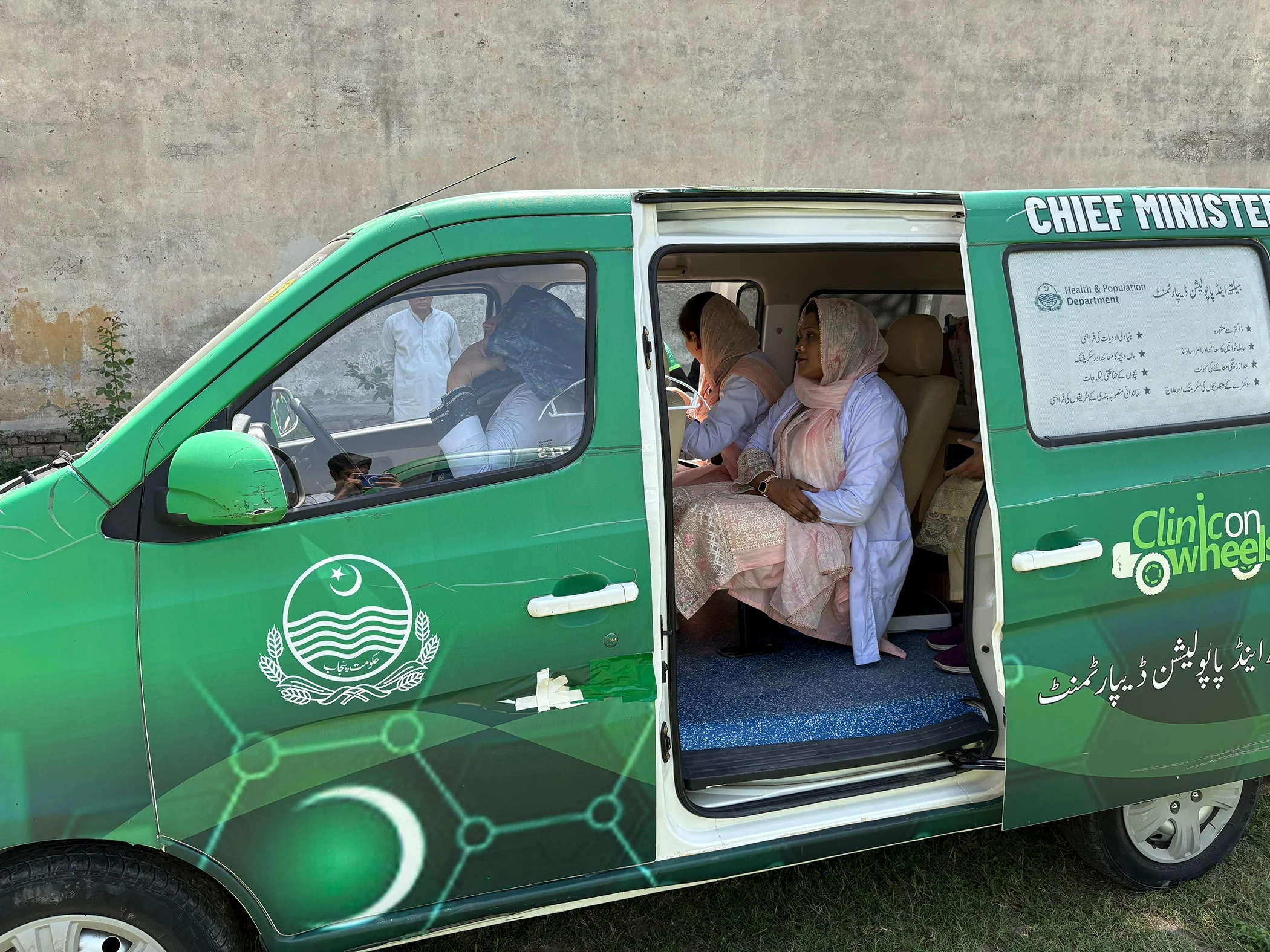 The Clinic on Wheels unit is part of the Punjab government’s mobile healthcare initiative, supported by partners including Gavi, bringing essential services such as vaccinations and maternal care directly to underserved communities.
In the densely populated city of Rawalpindi where Nazma lives alongside 6.2 million other residents, accessing healthcare can be a challenge. Reaching the nearest hospital takes up to two hours on public transport each way, and for many families, the cost of commuting poses a financial strain.
In response, the provincial government of Punjab launched a mobile healthcare initiative in 2024, deploying a fleet that now comprises 950 clinics on wheels across Punjab with a focus on communities left behind, namely those on the outskirts of cities and informal settlements. In Rawalpindi, 45 of these mobile units serve the population, rotating through small communities for two days at a time, seeing an average of 75 patients daily and treating a range of conditions including malnutrition in children, respiratory infections, diabetes, anemia, hypertension, and skin diseases, in addition to providing antenatal care, family planning, and routine vaccinations for children. In addition, these clinics participate in polio vaccination campaigns.
Zohaib Hassen, a physician with the government’s Health and Population Department who oversees the Clinic on Wheels initiative, said the model was designed to remove barriers for the province’s low-income population.
“Our goal is to provide health services to the doorstep of the community in peri-urban communities, slums, and hard-to-reach areas,” he explained. “People who live here travel a lot to access health facilities, which is a financial burden. Clinically and technically, it’s also a challenge for us to follow up with them.”
Since first launching Clinic on Wheels, the units have provided more than 18 million outpatient consultations. Each unit is staffed by four people: a physician, a Lady Health Visitor (community health professionals trained in maternal, newborn, child health, and vaccinations), a vaccinator, and a medication dispenser.
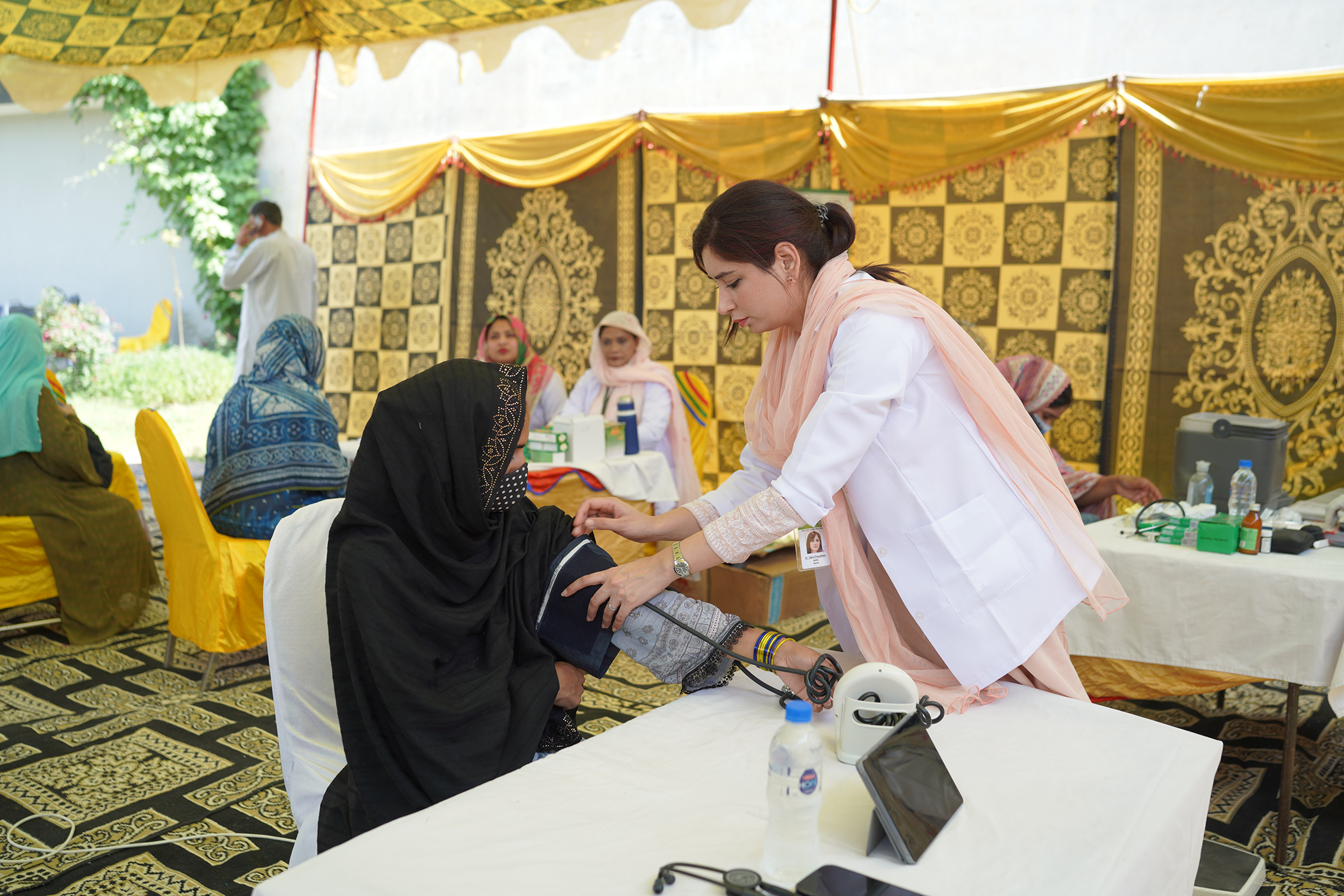
Clinic on Wheels
A healthcare worker provides a routine check-up at a temporary mobile clinic site.
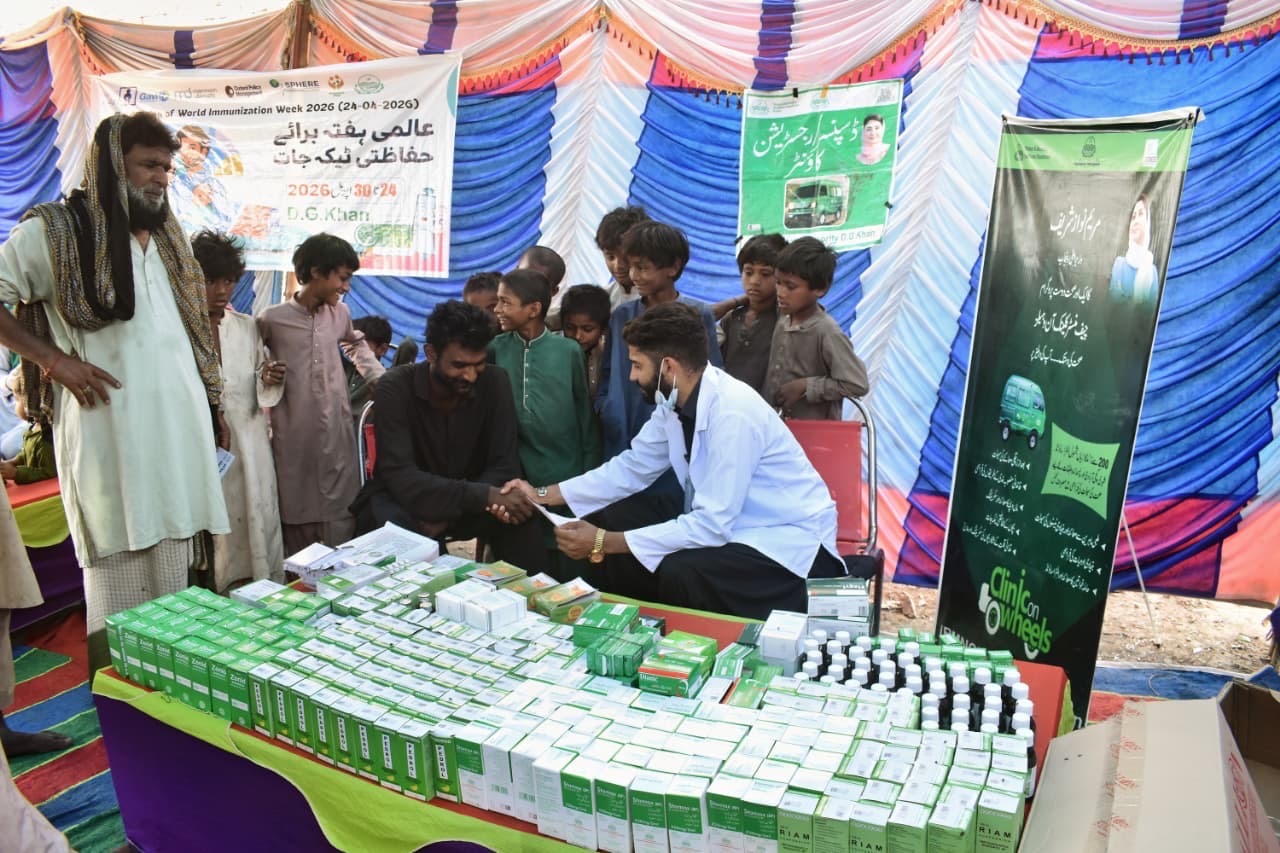
Clinic on Wheels
Healthcare workers provide medical care and engage with community members during a mobile clinic visit.
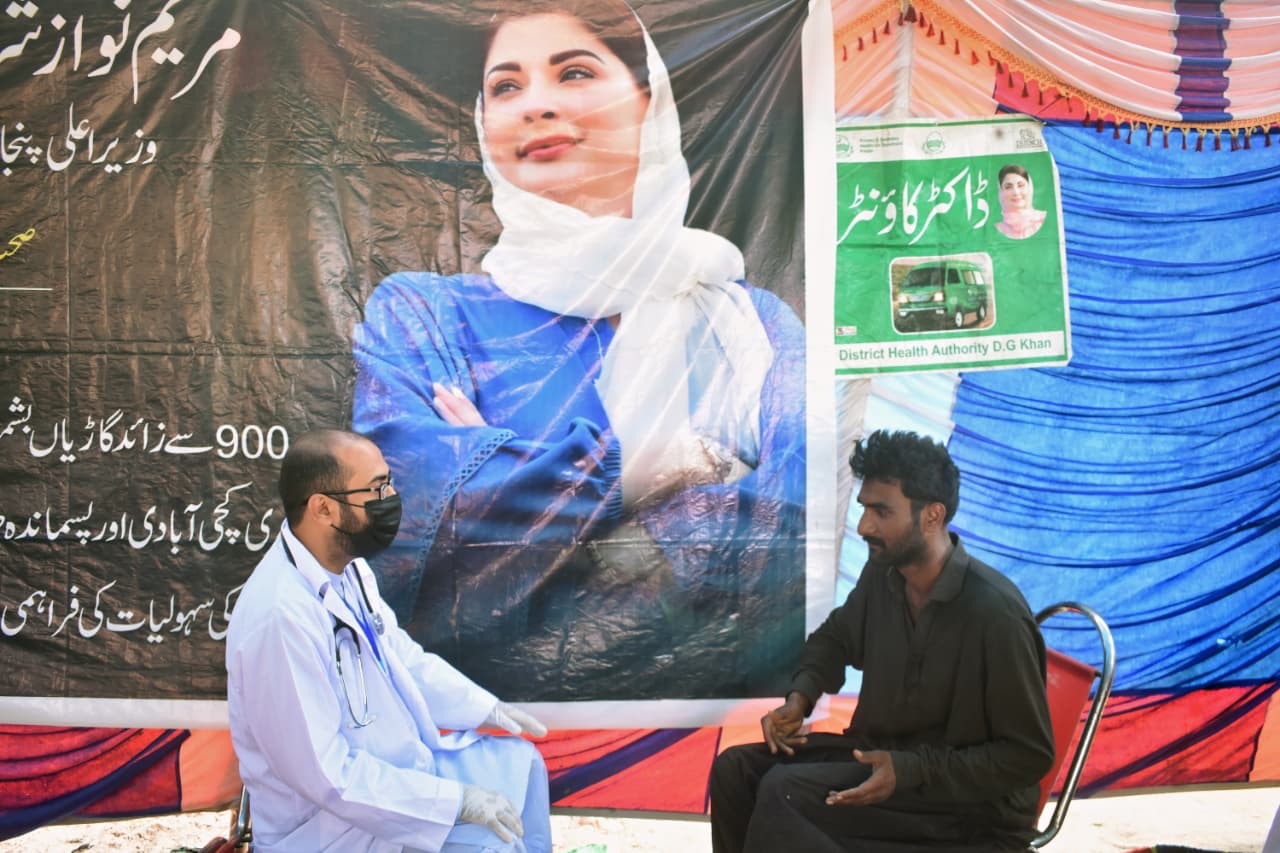
Clinic on Wheels
A healthcare worker takes a patient's medical history at a temporary mobile clinic site.
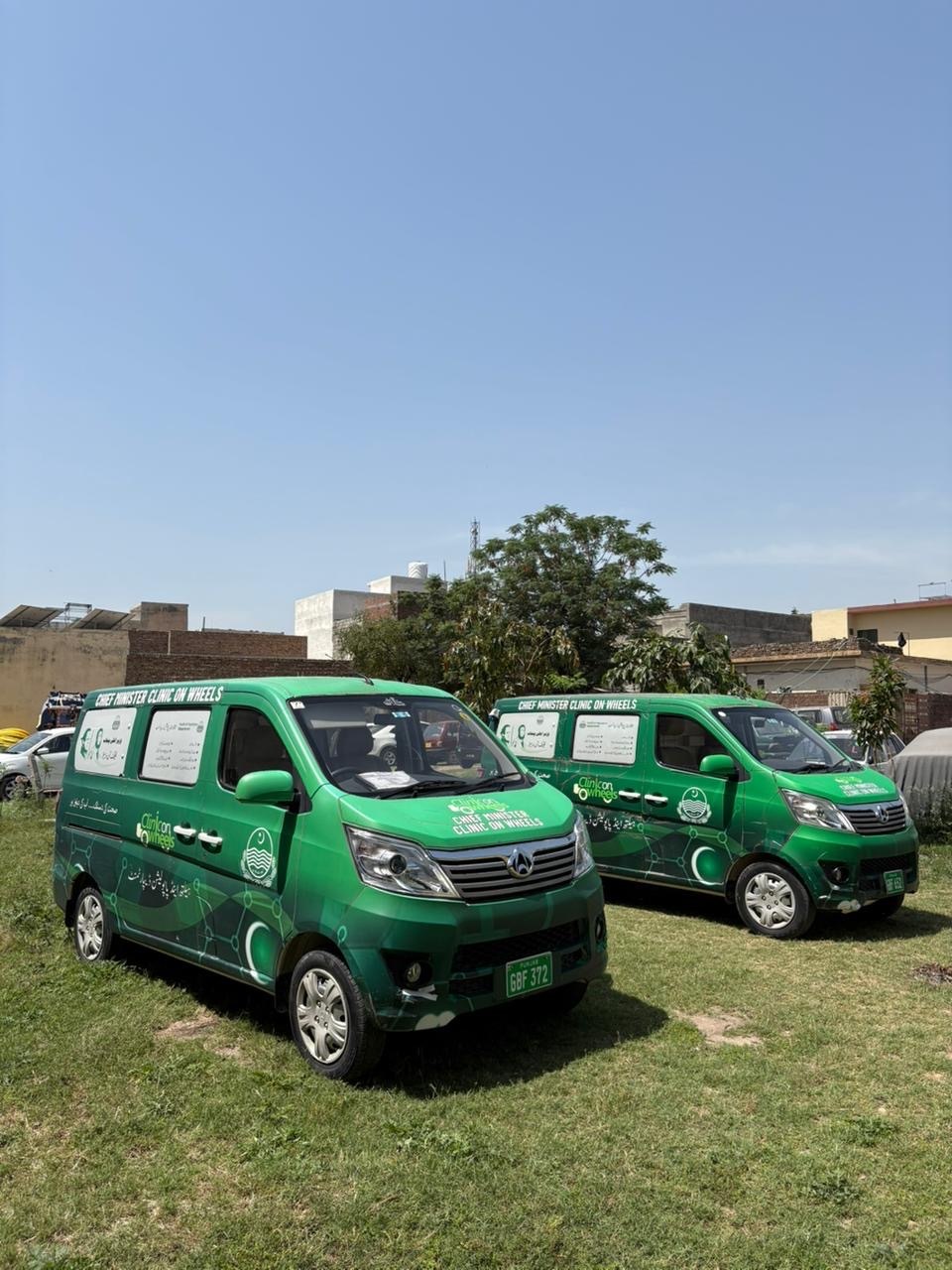
Clinic on Wheels
A mobile “Clinic on Wheels” unit brings essential healthcare services directly into communities in Punjab, Pakistan.
Each patient is registered and assigned a health profile linked to their national identification, allowing providers to track visits, treatments, and follow-ups. For the first time, these electronic records provide a continuous medical history for individuals, helping healthcare workers identify gaps and ensure continuity of care.
“[The electronic medical records help] us make data-driven decisions, understand people, and see the gaps in our work,” Hassen said, adding that Punjab's efforts to digitize health records could potentially serve as a model to other Pakistani provinces.
Closing the Immunization Gap
Sidra Choaudhary, a physician at one of these mobile clinics, said that meeting people where they are has helped provide medical services, including vaccinations, to those who typically wouldn’t seek them out. To date, the Clinic on Wheels have supported nearly 1.3 million people with immunization services.
“People who have 9 a.m. jobs would avoid going for vaccines because of the line ups. Now, they come here and get their vaccinations quickly and leave. It’s much faster,” Choaudhary said.
Improving access is only part of the challenge. In some communities, vaccine hesitancy remains a barrier. Some people don’t “listen to the doctor,” Choaudhary said, and instead, believe misconceptions such as vaccines being ‘haram’ (forbidden under Islamic law) or causing infertility. To overcome this, Clinic on Wheels works with religious leaders in communities who help dispel these myths.
Healthcare workers like Choaudhary know the power of community influencers when it comes to navigating vaccine hesitancy, and sometimes that includes collaborating with unlikely figures.
“In our culture and in Islam, we respect our mothers and mother-in-laws more than anyone. She decides what we do or what we don't do,” Choaudhary explained. “The baby’s mom is usually busy with household chores and cooking, and sometimes it’s the grandmothers who bring the baby to the vaccinators. Grandparents are so involved in their grandchildren’s lives, so we counsel them and tell them about vaccines.”
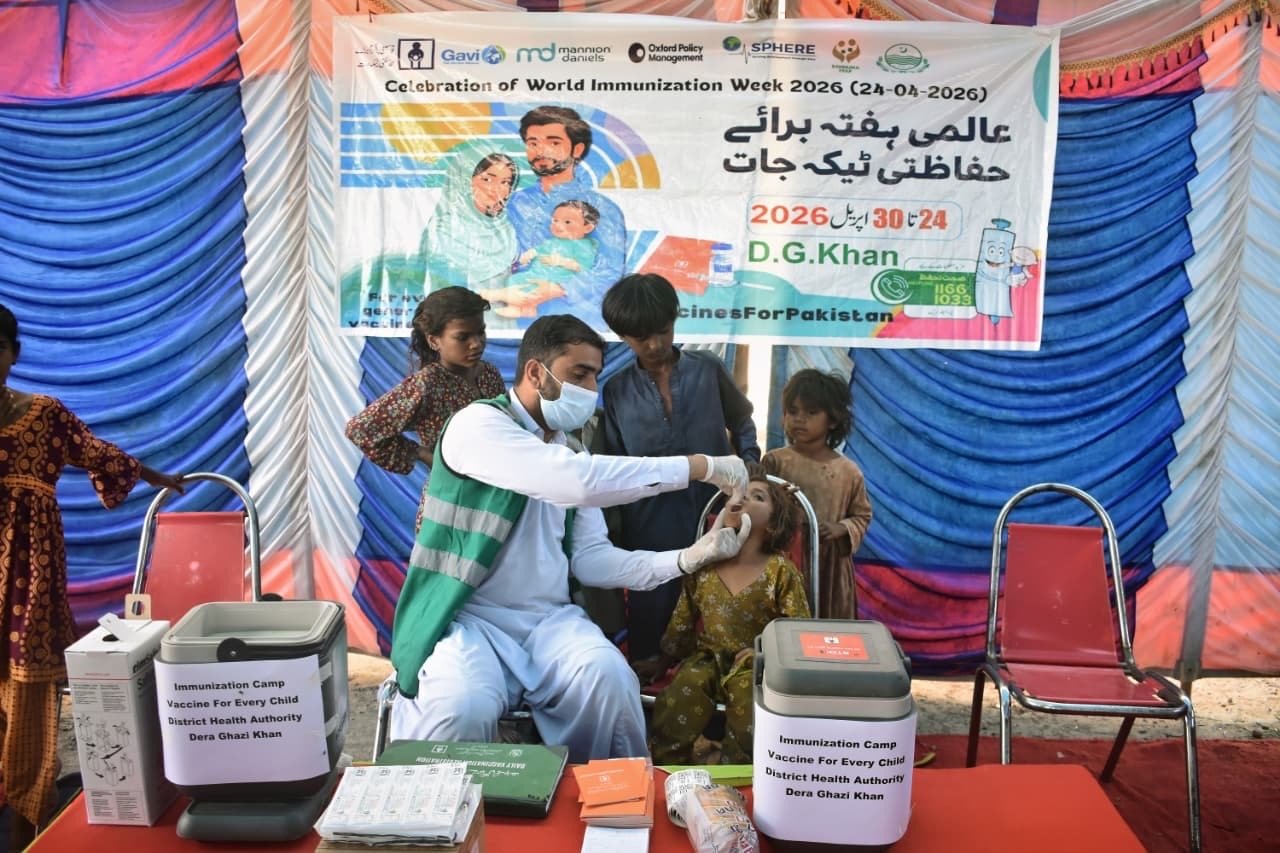 A child receives a vaccine during a community outreach campaign, part of efforts to expand immunization access.
She recalled one instance where a couple wanted to vaccinate their newborn, but their in-laws were hesitant. The family came to the clinic together to discuss the issue, and after speaking with Choaudhary, the in-laws became comfortable with having their grandchild vaccinated. Conversations like this are essential to improving immunization uptake, particularly in areas where vaccine misinformation is rampant.
In communities where care is often out of reach — and where residents like Nazma speak out about the social exclusion and marginalization they experience — Clinic on Wheels initiative not only provides life-saving health services, but models how to create a system that genuinely is built for everyone.
Editor’s Note: This reporting is a part of Global Citizen’s grant-funded content through the Bill & Melinda Gates Foundation.