In a quiet community in southeastern Nigeria, the rhythmic clatter of looms has echoed for generations. The textile produced here — Akwete — is more than fabric or design. It is culture woven by hand. Designers and tailors transform the fabric into garments, turning the craft into contemporary fashion.
“It’s a handwoven textile… from Eastern Nigeria,” says Nigerian designer Emmanuel Okoro, founder of the fashion brand Emmy Kasbit. “And it’s handwoven only by women.”
For centuries, Akwete weaving has been a deeply respected craft passed down by women through generations. Legend holds that men should not even touch the loom. The intricate process takes patience and skill. Depending on the design's complexity, a single piece of fabric can take up to two weeks to complete.
“When you wear it,” Okoro explains, “you’re not just wearing history… you’re also promoting the craft.”
In an era dominated by fast fashion, Akwete represents something different — slow, deliberate artistry rooted in community and culture.
For Okoro, preserving that craft has become a mission.
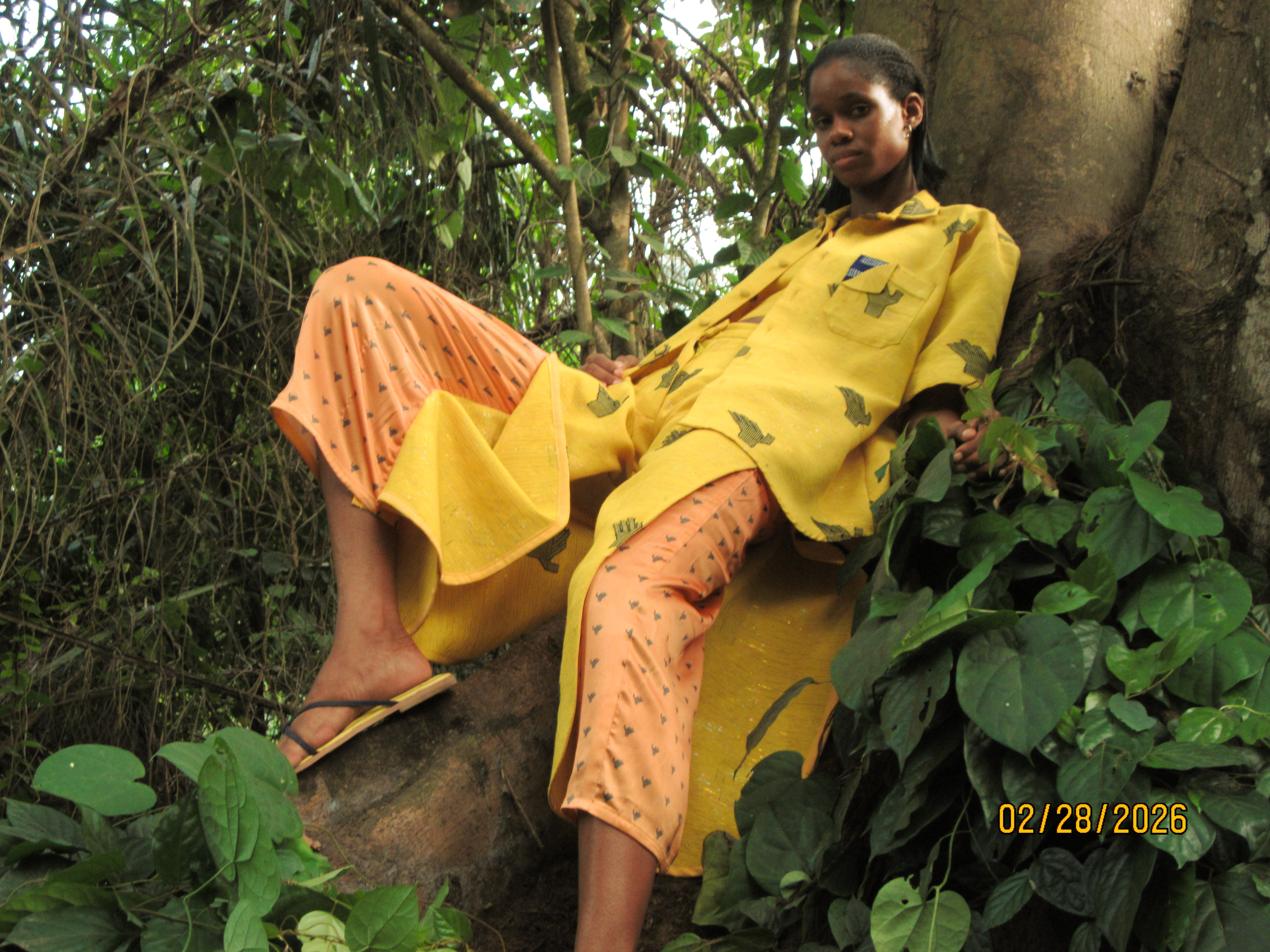
A model wears Akwete-inspired designs by Emmy Kasbit, blending handwoven tradition with contemporary silhouettes in southeastern Nigeria.
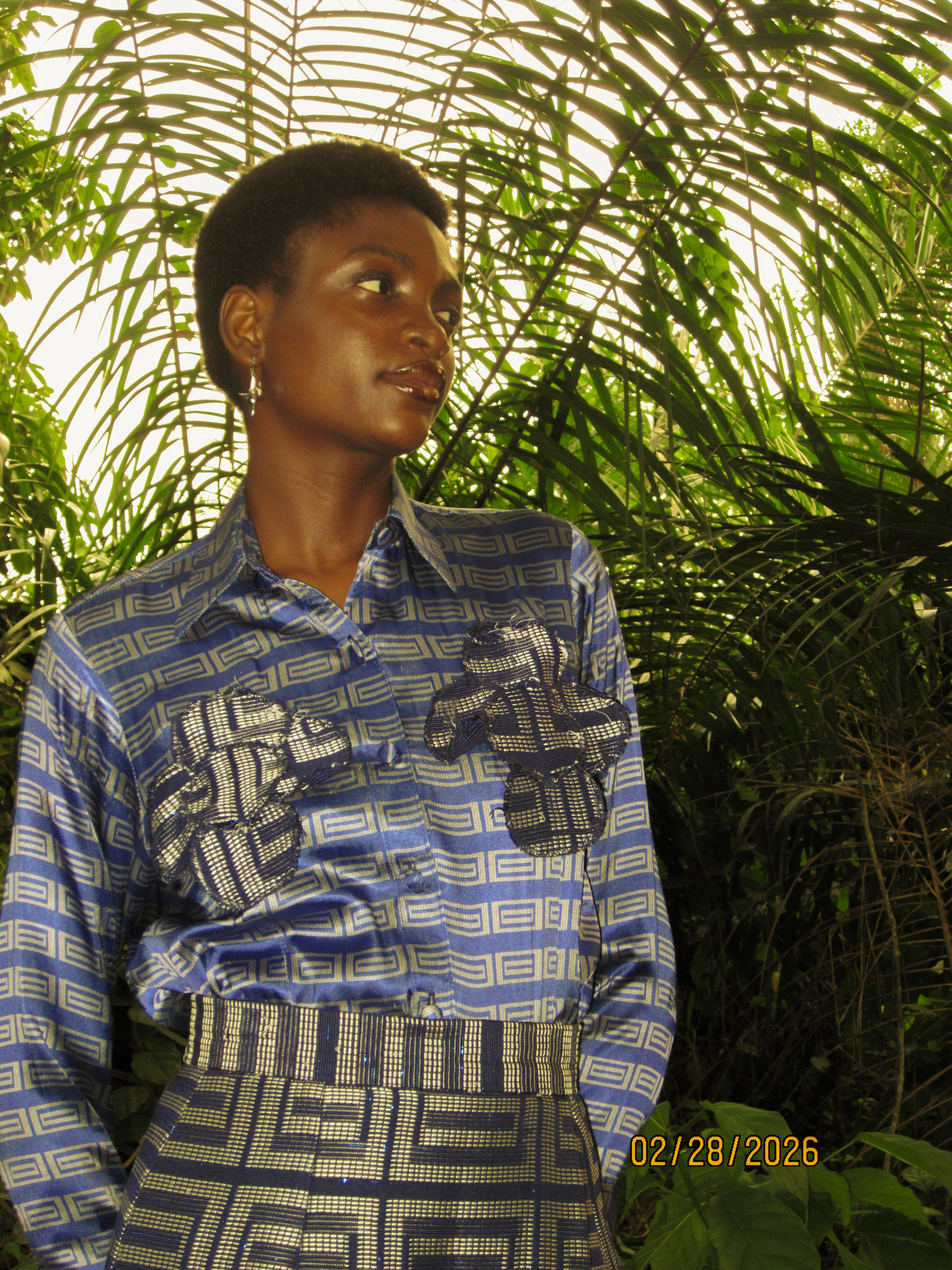
Akwete textiles are reimagined in modern fashion by designer Emmanuel Okoro, preserving a centuries-old craft rooted in women-led weaving traditions

Each Emmy Kasbit piece begins with handwoven Akwete fabric, created by women artisans whose craft has been passed down for generations.
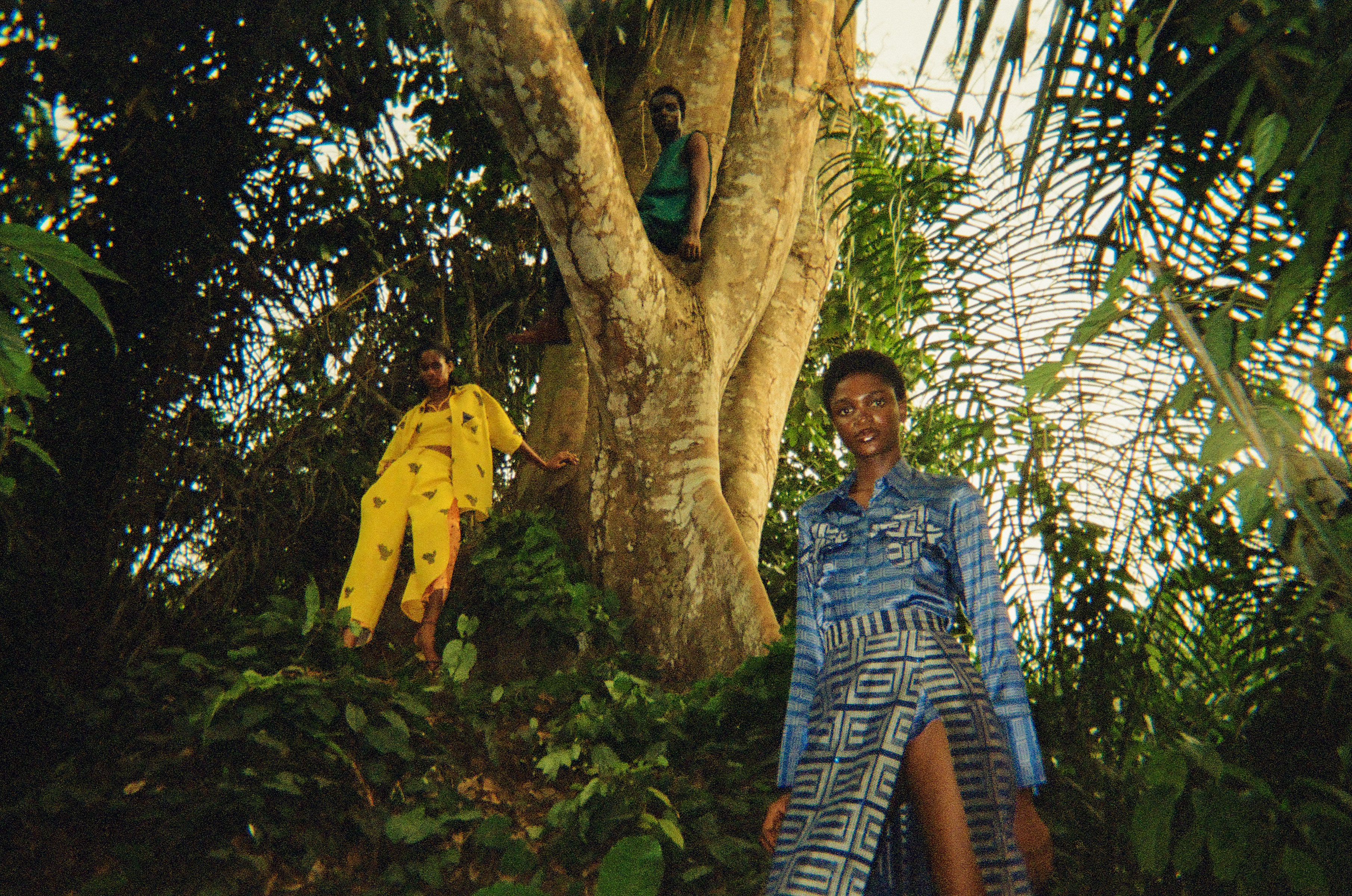
Models showcase Emmy Kasbit designs made with Akwete textiles, connecting traditional craftsmanship with a new global audience.
A Craft on the Brink
When Okoro first encountered Akwete weaving communities, he was struck by a troubling reality.
“When I got there, they had all packed up the looms because there weren’t really people coming,” he recalls. “People were really about fast fashion. Nobody wants to sit down and wait for you to weave something for them.”
The demand for faster, cheaper clothing had pushed the traditional craft to the margins. Artisans who had once sustained entire communities were losing work. Over time, the craft began to fade.
“As time went by… people just stopped coming,” Okoro says. “The craft was dying."
Okoro saw an opportunity — and a responsibility.
He decided to start his fashion brand, Emmy Kasbit, and began working with Akwete weavers, incorporating their handwoven textiles into contemporary designs.
His goal was not just to create beautiful clothing, but to ensure the artisans behind the craft were recognized and supported.
“I want to shine a light on them,” he says. “And also to let people know where this is coming from and the hands behind it.”
You’re not just wearing history… you’re also promoting the craft.
Every garment begins with the work of women whose livelihoods depend on weaving Akwete, before then being shaped into finished pieces by Okoro and his team of tailors.
“When you wear Akwete, you’re not just supporting a community,” Okoro explains. “You’re empowering them… For many of these women, this is their only source of livelihood.”
Fashion as Cultural Storytelling
For Okoro, design goes far beyond aesthetics.
“As a designer, I see myself as a storyteller,” he says. “We take the traditional elements and then we interpret them in a modern way.”
Each collection Emmy Kasbit produces draws from cultural narratives and stories rooted in heritage, identity, and African creativity. Traditional textiles like Akwete become the starting point for garments that are then cut and constructed in Okoro’s studio, blending history with modern design.
The result is fashion that bridges continents. From loom to studio, each piece reflects a collaboration between traditional artisans and contemporary designers.
At the heart of the brand is a commitment to sustainability — not only environmental, but social as well.
“Sustainability for us means craftsmanship, timelessness, and giving back,” Okoro explains. “Making sure that everyone on the supply chain is accounted for… all the way to the final consumer.”
The fabrics used by the brand are biodegradable and designed for longevity. Unlike fast fashion pieces designed to be discarded and replaced quickly, Okoro wants his garments to endure.
“[I want] to be able to produce things that people pass down to the younger generation,” he says. “I want them to have a full life.”
That philosophy is also reflected in the brand’s aesthetic.
“Unapologetically African means what you see is what you get,” Okoro says. “African culture is vibrant and colorful. You’re making a statement, and that’s what I want people not to be afraid of.”
Clothing That Carries Confidence
Beyond cultural preservation, Okoro believes clothing can shape how people see themselves.
“When someone wears an Emmy Kasbit piece, I want them to feel powerful, bold, and African,” he says.
It’s a vision of fashion that celebrates confidence and authenticity. The garments are designed to command attention — structured tailoring, striking patterns, and vivid colors that celebrate their African identity rather than dilute it.
“When you step into a room,” Okoro says, “I want you to feel like you own the room because your outfit speaks for itself.”
A Move Afrika Moment
In 2025, that vision reached a new audience when Okoro became involved with Global Citizen’s Move Afrika, which aims to create economic opportunity across the continent’s creative industries.
For Okoro, the experience was transformative.
“Move Afrika was a full circle moment,” he says. “It was an international platform that helped create awareness for the brand.”
One highlight came when Okoro designed an outfit worn by Grammy-winning musician John Legend, who headlined the 2025 Move Afrika concert.
“Having the opportunity to dress him in one of our garments was a life-changing experience,” Okoro says.
The visibility quickly translated into real momentum for the brand.
“We got a lot of orders on the John Legend outfit,” he explains. “Right now, we’ve actually sold out on it. It created brand awareness, increased our social media following, and opened new opportunities.”
For designers like Okoro, initiatives like Move Afrika do more than spotlight talent — they help connect African creatives with global audiences and markets.
A Legacy Woven Into the Future
Looking ahead, Okoro hopes Emmy Kasbit becomes more than just a fashion brand.
“I hope it becomes a household name,” he says. “And I hope to build it to a point where it outlives me — even if I am no longer here.”
But growth, he insists, should never mean losing the brand’s roots.
“To become a household name and still be unapologetically African means nothing changes,” Okoro says. “We keep supporting the artisans. We keep working with Akwete.”
For him, success is measured not only by global recognition, but also the survival of the craft that inspired everything.
“The most important thing about Emmy Kasbit,” Okoro says, “is that we are a sustainable brand telling African stories through our collections — and reinventing the past in a modern way.”
And in every thread of Akwete, woven slowly by hand, carried forward by generations of women artisans, and reimagined on global stages — those stories continue to unfold.