Marina El Khawand is a Lebanese youth health activist, trainee lawyer, pharmacy student, and social entrepreneur. In the wake of the Beirut emergency in 2020, she founded Medonations, a medical advocacy organisation which she remains the president of today. The initiative, has supported more than 25,000 patients and families with access to essential medications. For her work in building a community aimed at advocating for accessible quality healthcare, she has been recognised by the Young Activists Summit, and here, in her own words, she shares what that recognition means to her. She further details how she uses technology to improve access to healthcare in Lebanon where civic space is obstructed.
I became a health activist at 18, in the aftermath of the devastating 2020 Beirut port explosion.
I wasa second-year law student when that day changed my life. I walked through the ruins, surrounded by destruction and loss, and I felt deeply powerless. I saw dead bodies, I felt the weight of trauma, and I couldn’t just turn away. One of the most searing memories is entering an affected building in Karantina, to check on an elderly woman who had refused to evacuate. I found her pale and motionless, and in her hand was a ripped box of medication — an inhaler. The same kind my mother uses for her asthma. I rushed to pharmacies, desperate to find a replacement, but every pharmacy I went to was out. Our shattered health system meant that even basic medications had become a luxury. I then turned to social media, Instagram to be specific.
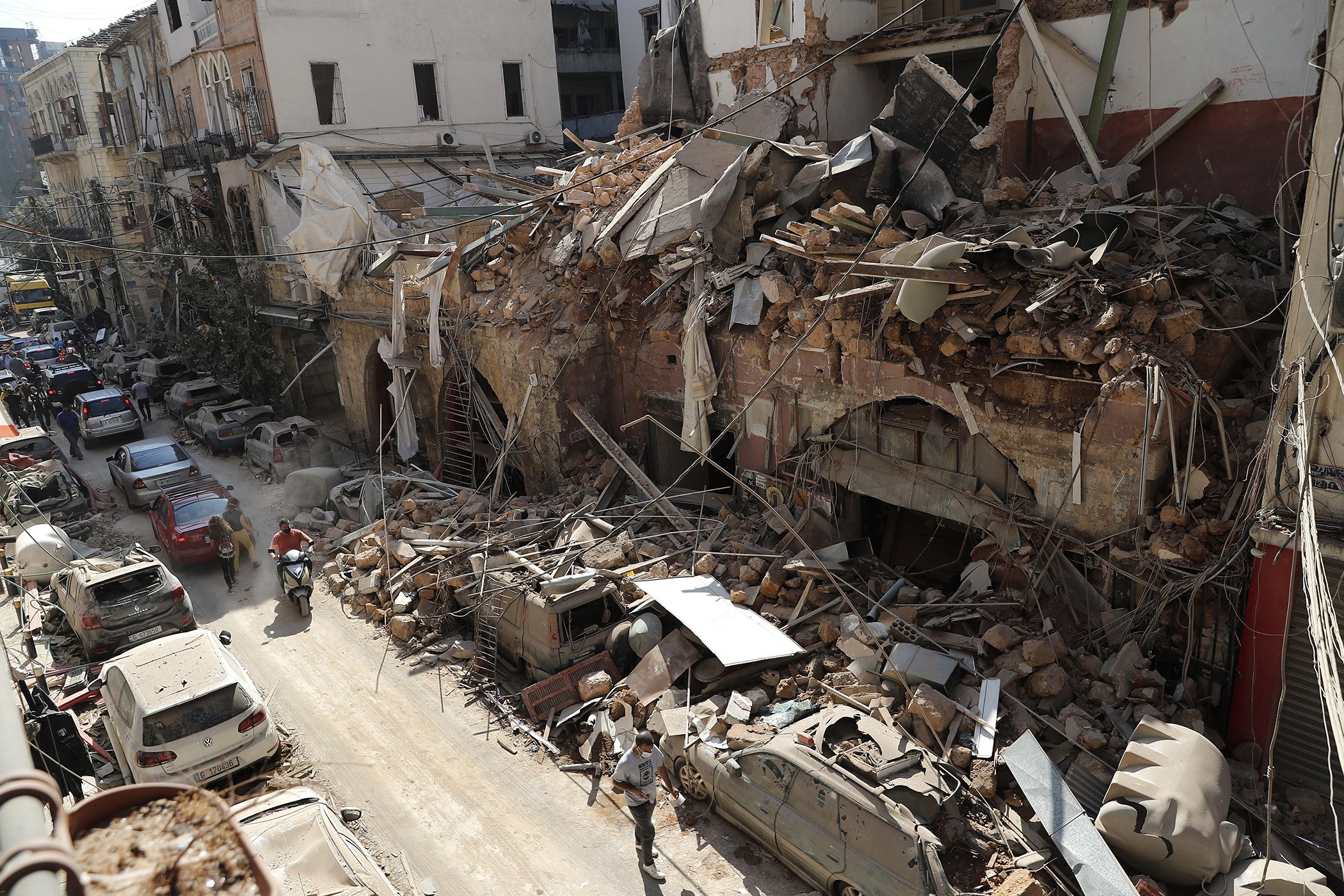 Cars line one of the damaged roads a day after a massive explosion hit the seaport of Beirut, Lebanon, Aug. 5, 2020.
I posted a plea, tagged the economist Danielle Hatem (@ddoesbusiness), and within two hours she responded. She helped me secure 12 boxes of that same inhaler. As I was driving to deliver them, I realised something that still shapes my work today: in healthcare, we don’t have the privilege of seconds, minutes, or hours. We are fighting with milliseconds. When I reached the woman’s doorstep, I watched her chest rise and fall, confirming that she was still breathing — and thank God she was. The moment I took the first box of medication from the twelve I was carrying, she started crying. It was truly the happiest and saddest moment all at once. It was then that I understood, painfully and clearly, that in our country our lives often don’t matter. Whether we live or die, suffer or survive.
She took her first puffs of the inhaler, and I stayed with her for an hour and fifteen minutes. No talking. No interaction. Just presence. When I finally had to leave, I hugged her and it was the most heartfelt hug a human being could ever experience. I felt her heartbeat. And every time I recall this story, I can still feel what I felt in that exact moment. She whispered a sentence that ignited everything that came after: “Thank you for saving my life.” It was intense, almost surreal.
In that hug, her voice, that sentence, and the breath in her gratitude, I recognized my purpose. This was not just my reaction to trauma, this was how I could turn trauma into healing.
That moment sparked Medonations.
What started as me helping one person became a movement, community, global family that collects and delivers free, equal, and fair medical assistance across Lebanon — reaching more than 25,000 individuals. Building infrastructure, and creating a bridge between people in need and the care they deserve. It has been challenging, emotionally draining, politically complicated, and often chaotic; but it was also deeply meaningful and rewarding.
The pain of that day still lives with me, but it fuels everything I do. What started with a few collected boxes of medication quickly grew into something much bigger than I could have imagined. As more people reached out and more volunteers joined, Medonations naturally evolved into a structured initiative, and eventually into an international NGO based in both Lebanon and France. Today, our community spans 65 countries through a global family of supporters and volunteers.
Over the last 5 years, we have supported more than 25,000 patients and families with access to essential medications. We have delivered over 600 medical supplies across Lebanon, and mobilised more than 2,000 volunteers from around the world. We have also covered hundreds of surgeries and treatments for individuals who had no other means.
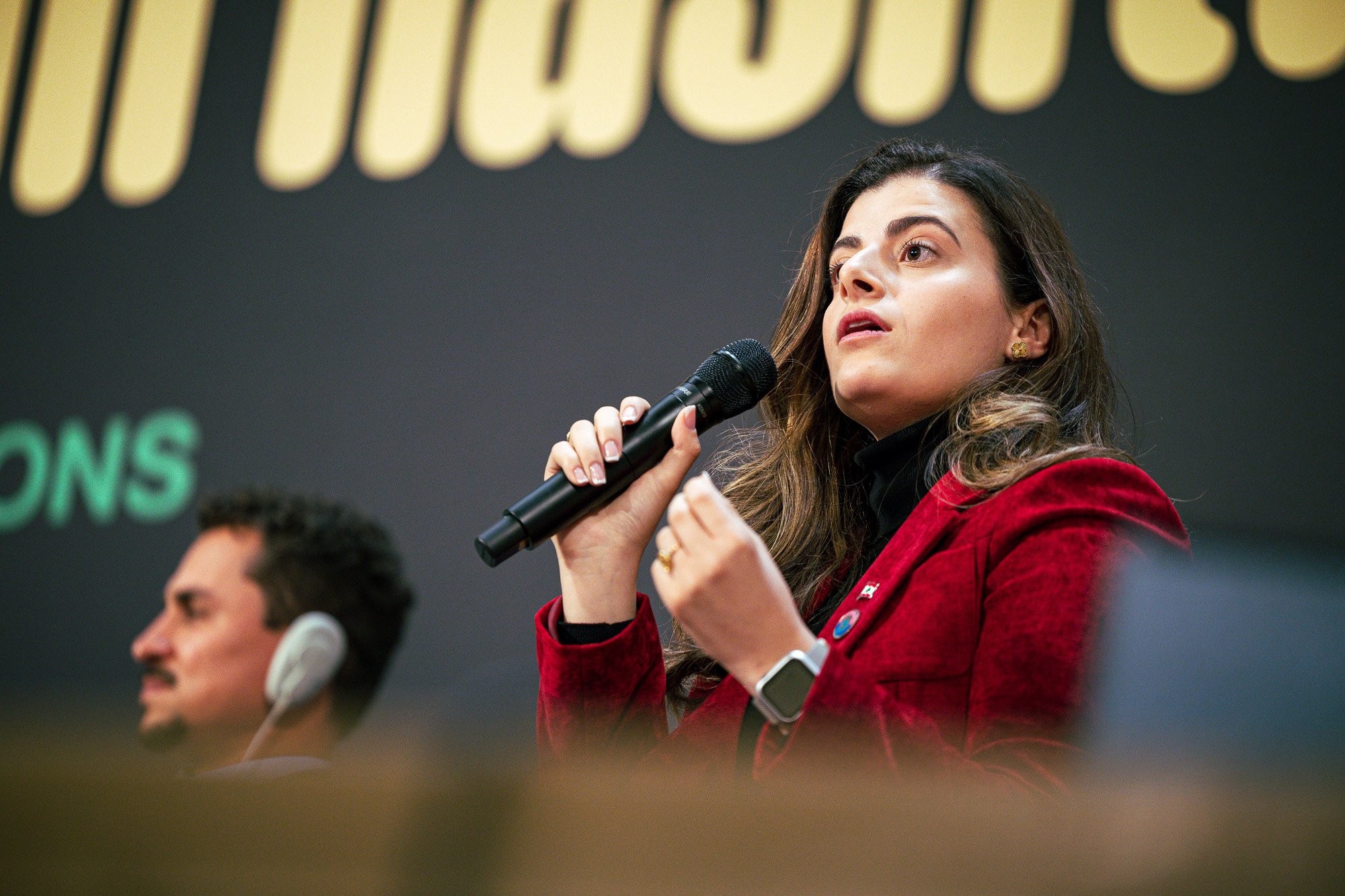 Marina El Khawand founded Medonations, a medical advocacy organisation which she remains the president of today. The initiative, has supported more than 25,000 patients and families with access to essential medications.
Medonations is built on one simple belief: access to healthcare should be free, equal, and fair. Our work is driven by compassion, community, and a commitment to bringing dignity back into healthcare. What began as one act of care has grown into a movement dedicated to ensuring that no one is left behind when it comes to their health. Recently, we expanded into healthtech by launching the free smart clinic to reach everyone, even those in the vulnerable areas, and give them the chance to get the highest medical assistance they deserve. For me, Medonations is not just an organisation, it is a movement of hope built by thousands of people who believe no human being should be denied the right to health.
Being recognised by the Young Activist Summit is more than an award, it is a lifetime honor.
I see it as a hand holding ours, a way of saying: “we are here, we know your struggle, we see your dedication and efforts, and we are going to support this mission and work.” This recognition is for my people, for every patient whose struggle, voice, and suffering drives the work of Medonations. It strengthens our ability to reach more communities, scale solutions, innovate, and amplify the voices of those who often go unheard.
It is a reminder that youth-led activism can make a real tangible difference, even in the most challenging contexts. Most importantly, it is a call to action to governments, communities, and individuals everywhere, to stand with patients, to support initiatives that make healthcare accessible for all, to use technology for good, and to join us in turning hope into tangible care. Personally, I invite anyone who can to support Medonations so we can continue helping those who need us most. Every donation, every volunteer hour, every message of solidarity allows us to reach more patients and give them the care, dignity, and hope they deserve.
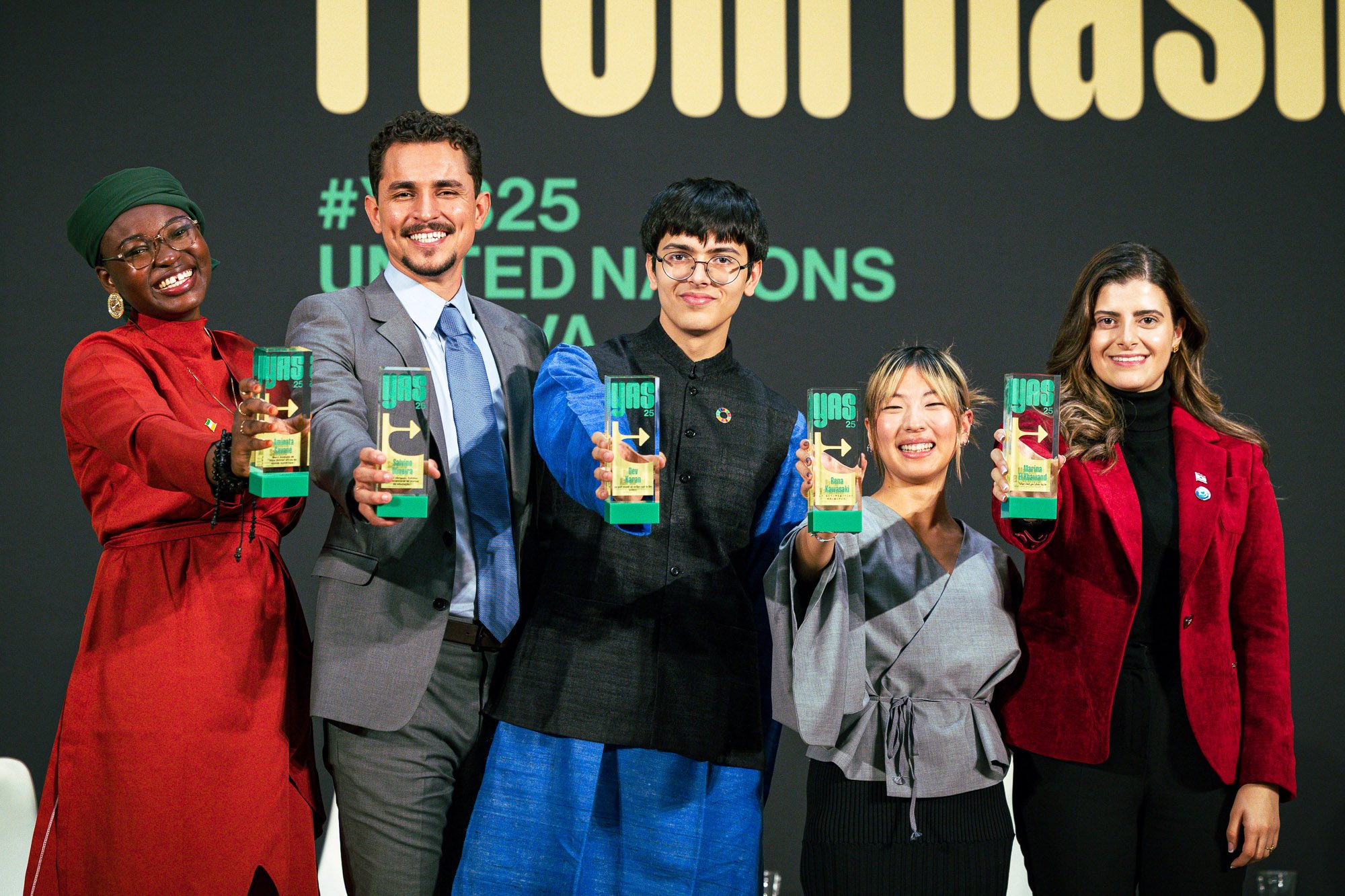 For her work in building a community aimed at advocating for accessible quality healthcare, Marina El Khawand has been recognised by the Young Activists Summit. Here she is photographed with her fellow recipients.
Working in health activism in Lebanon comes with enormous responsibility and complexity.
The demand for basic healthcare and medications far exceeds what the system and local organisations can provide, and often people expect NGOs like Medonations to step in where government resources are limited. Because we are committed to helping everyone, everywhere, this can also create additional pressure. Sometimes it generates tension or misunderstandings, as resources are limited but the needs are universal, and people naturally look to us to fill gaps beyond what is sustainable.
At the same time, systemic issues — such as inefficiencies, gaps in resource allocation, and aid that does not always reach the most urgent needs nor the people in need — add layers of challenge. Not all organisations are able to target assistance in the most effective way, which puts extra responsibility on us to be transparent, accountable, and strategic in how we operate.
These realities push us to innovate. They encourage us to design efficient distribution paths, leverage technology, and focus on data-driven solutions that reach the most vulnerable. They also reinforce the importance of building strong partnerships. The work is demanding, but it is deeply rewarding when we see lives improved, hope restored, and communities strengthened. But what keeps me going is the community we serve. Every story, every patient, every family reminds me why we must continue, even when the space gets more difficult to navigate. Our resilience is our form of resistance.
I envision a Lebanon where healthcare is a guaranteed right for every patient.
Where no one has to skip treatment, interrupt their medication, or risk worsening illness or even die simply because care is inaccessible. Every patient deserves dignity, continuity of care, and protection. Lebanon can aspire to a system modelled on the best practices of countries with ideal universal healthcare coverage, transparent governance, and integrated patient care.
In practice, this would mean universal access to medications and treatment and patients receiving their medications free of charge, no matter the cost, just as in European systems. Everyone contributes through taxes or insurance, but the medicines they need are always available when they need them. It would also entail a unified medical ID system that securely links patient histories, medications, and treatments across all hospitals, clinics, and pharmacies, ensuring no one falls through the cracks. It also involves strengthened public hospitals and clinics that provide high-quality, timely care for every patient, from rural areas to urban centres.
To further this I envision policies that guarantee continuity of treatment so patients with chronic illnesses or in need of life-saving therapies never miss a dose. Data-driven, targeted healthcare programs that prioritise the most vulnerable and ensure transparency in resource allocation. And finally, collaboration between government, civil society, and international partners to build sustainable and equitable solutions, rather than temporary fixes.
These reforms are not abstract ideals; they reflect the reality of every patient I meet through Medonations. Their struggles, voices, and suffering are the reason this work exists. Every person deserves to live, heal, and hope.
I dream of a healthcare in Lebanon that moves toward the standard of quality, equity, and dignity that every person deserves.
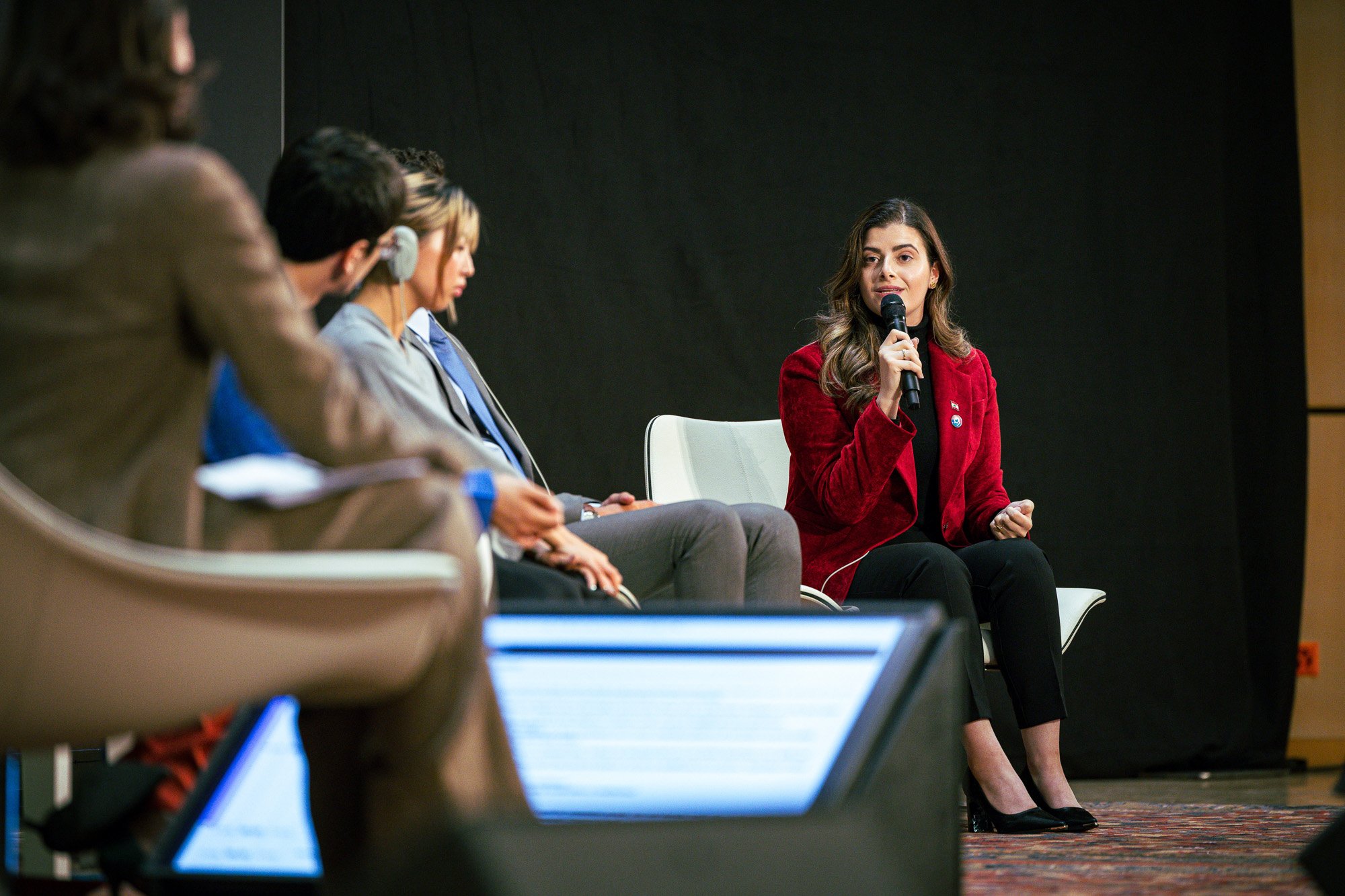 Marina El Khawand is a Lebanese youth health activist, trainee lawyer, pharmacy student, and social entrepreneur.
This article, as narrated to Gugulethu Mhlungu, has been slightly edited for clarity.
The 2025-2026 In My Own Words series is part of Global Citizen’s grant-funded content.